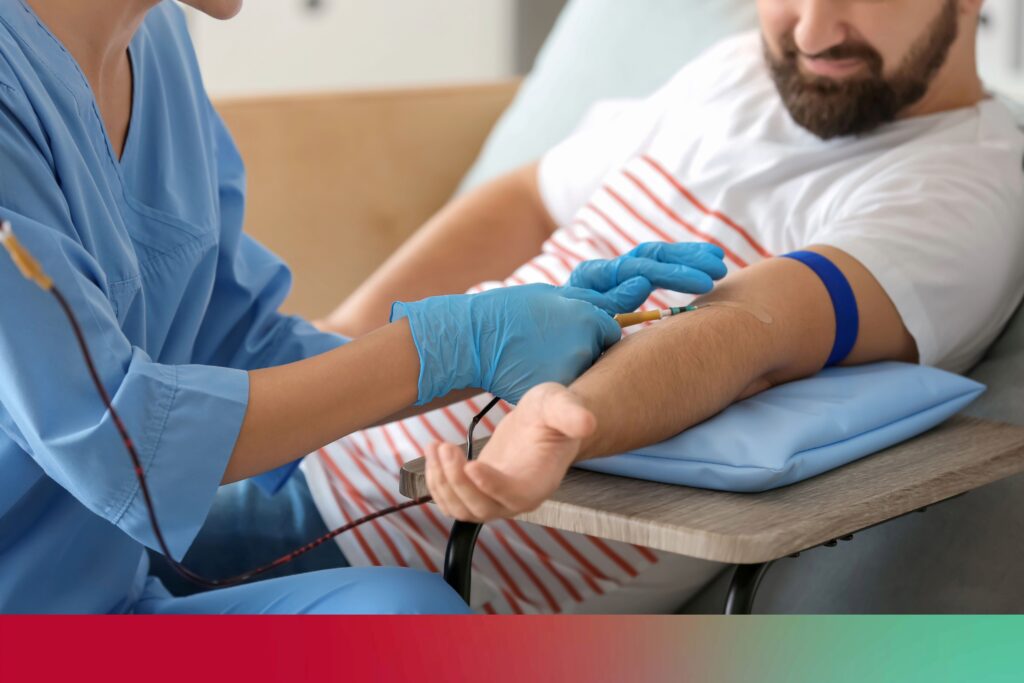
Donating blood is a straightforward yet impactful way to contribute to the health and well-being of others. This guide will walk you through the process, eligibility criteria, and recommended frequency for giving blood, ensuring you have all the information needed to become a confident and regular donor.
Understanding the blood donation process
The blood donation process can be broken down into several key steps, each designed to ensure donor safety and the quality of the donation.
- Pre-donation preparation: Before donating blood, it’s important to stay hydrated, eat a balanced meal, and avoid strenuous exercise. These steps help you feel more comfortable and ensure a smooth donation experience.
- Registration and health screening: Upon arrival at the donation center, you’ll be asked to complete a registration form with your personal information and medical history. Next, a health professional will conduct a brief health screening, including checking your temperature, blood pressure, pulse, and hemoglobin levels. This screening helps identify any potential issues that might prevent you from donating.
- The donation procedure: During the donation itself, you’ll be seated comfortably while a sterile needle is inserted into a vein in your arm. The process typically takes about 10-15 minutes, during which you’ll donate approximately one pint of blood. Medical staff will monitor you throughout to ensure everything is proceeding smoothly.
- Post-donation care and recovery: After donating, you’ll be given refreshments to help replenish your fluids and energy. It’s important to rest for a few minutes and avoid heavy lifting or vigorous exercise for the rest of the day. Drinking plenty of fluids and eating a healthy meal afterward can aid in your recovery.
Blood donation eligibility criteria
Understanding the eligibility criteria for blood donation is crucial to ensure safety for both donors and recipients.
- Age requirements: Most blood donation centers require donors to be at least 17 years old, although some organizations allow donations from 16-year-olds with parental consent. There’s generally no upper age limit as long as you meet the other health criteria.
- Weight and health status: Donors must weigh at least 110 pounds and be in good health. This means you shouldn’t have any infections, flu symptoms, or chronic illnesses that are not well controlled. It’s important to be honest about your health status during the screening.
- Common disqualifiers: Certain conditions can temporarily or permanently disqualify you from donating blood. These include recent travel to certain countries, recent tattoos or piercings, and taking specific medications. Additionally, certain medical conditions and pregnancy can affect your eligibility.
- Travel and medical history considerations: Travel to regions where blood-borne diseases, such as malaria, are prevalent can impact your eligibility. Similarly, your medical history, including past blood transfusions or surgeries, may be considered during the screening process.
How often can you donate blood?
Understanding how often you can donate is essential to maintain your health while regularly contributing to blood supplies.
Whole blood donation
For whole blood donations, it’s generally recommended to wait at least 8 weeks (56 days) between donations. This period allows your body to replenish its blood supply.
Plasma and platelet donation
Plasma and platelet donations can be done more frequently. Plasma donors can donate every 4 weeks, while platelet donors can often donate every 2 weeks. It’s important to consult with your donation center to understand the guidelines and schedule.
Factors affecting donation frequency
Individual factors, such as your overall health, nutrition, and activity level, can affect how often you can donate. Always follow the advice of medical professionals to ensure you are donating safely.
Benefits of regular blood donation
Regular blood donation offers numerous benefits that extend beyond saving lives.
Health advantages: Donating blood can have positive effects on your health, such as improved heart health through the reduction of iron levels in your blood. Regular donations also promote good health monitoring through frequent health screenings.
Emotional and societal impacts: The act of giving blood is deeply rewarding. Knowing that your donation could save lives provides a profound sense of satisfaction and purpose. Moreover, regular donors contribute to a reliable blood supply, which supports the medical community and emergency responses.
Learn more about the benefits of giving blood>>
Tips for preparing to donate blood
Preparing for a blood donation is key to ensuring a smooth and positive experience.
- Hydration and nutrition: Drink plenty of water before your appointment and eat a nutritious meal. Foods rich in iron, such as leafy greens and lean meats, can help maintain healthy hemoglobin levels.
- Rest and clothing choices: Get a good night’s sleep before your donation and wear comfortable clothing, especially sleeves that can be easily rolled up for the donation process.
- What to bring to the appointment: Bring a photo ID, a list of any medications you’re taking, and proof of consent if you’re under the age of 18 (when applicable). Having these on hand will streamline the registration process.
Finding a blood donation center near you
Locating a nearby donation center is easier than ever with modern resources.
- Websites like the American Red Cross or local health department sites offer tools to locate nearby donation centers and schedule appointments.
- Local hospitals and clinics often host blood drives and have information on donation opportunities. Contacting these organizations can provide valuable insights into where and when you can donate.
- Mobile blood drives often visit community centers, workplaces, and schools, making donation convenient and accessible. Check for upcoming drives in your area and participate when possible.
Giving blood is a simple yet powerful act that offers significant benefits to donors and patients in need. By understanding the process, eligibility, and frequency, you can confidently participate in this life-saving activity and make a positive impact on your community.
Read next: How donated blood helps surgical patients>>