Ethics asks the question, how should we live?
Thus, the study of ethics is the study of what is morally good and bad— what humans ought to do, both individually and as part of society. Ethics informs practical decision making and the standards by which human actions are judged as right or wrong.
Does ethics matter in surgery?
Surgery is not just a technical endeavor, but a moral one. The decisions that surgeons make have a lasting and often permanent impact on patient care and outcomes. The questions of how should we live and what ought we to do are essential to the work of surgeons.
Ethics informs every component of a surgeon’s daily practice: decision making in and out of the operating room, developing relationships with patients, maintaining well-being, and discovering meaning and purpose in their work. A robust understanding of surgical ethics is not only necessary, but critical, to be a good surgeon.
Our mission
The mission of the WashU Center for Humanism and Ethics in Surgical Specialties (CHESS) is to equip surgeons with a unique skillset in the pursuit and practice of good surgical care within modern medicine and health care delivery. Through education, research, and professional development, CHESS is committed to exploring the complexities of clinical surgical ethics, supporting the surgeon-patient relationship, and promoting flourishing of trainees and surgeons in their professional and personal lives.
CHESS is committed to addressing the complex ethical challenges that arise in surgical practice, including:
- Informed consent
- Surgical innovation and technology
- Goals of care
- Palliative care and end of life care
- Surgical care delivery and access
- Error disclosure
- Surgeon-patient communication
- Trust
- Professional identity and regulation
- Surgeon flourishing
- Trauma-specific ethics
- Transplant-specific ethics
CHESS was founded in 2019 and is supported by The Barbara and Ira J. Kodner, MD, Endowed Fund for Surgical Ethics, established at The Foundation for Barnes-Jewish Hospital.
People
CHESS leadership
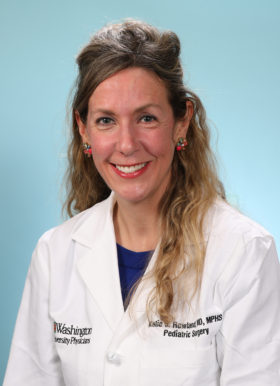
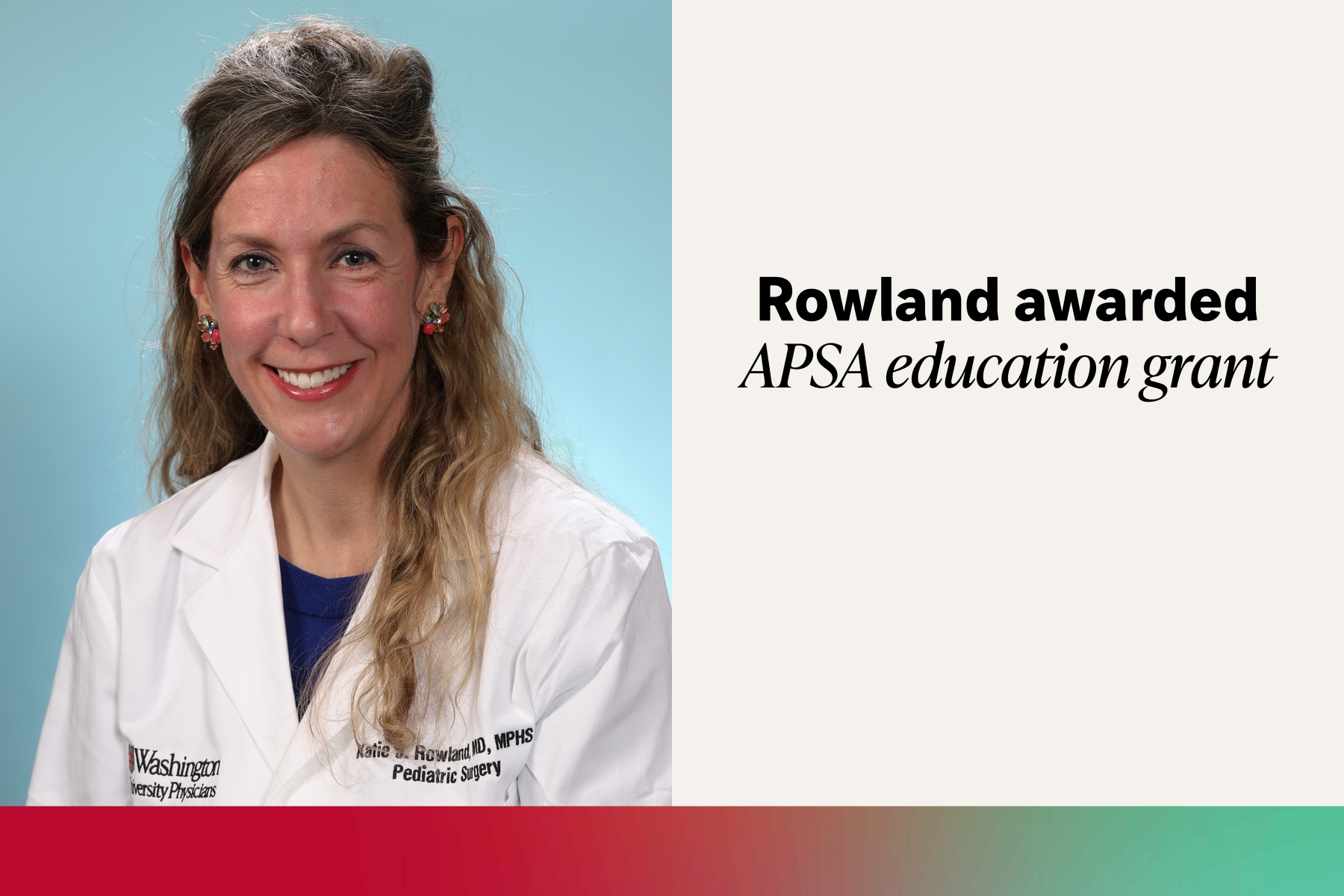
Kathryn J. Rowland, MD, MPHS
Associate Professor of Surgery
Division of Pediatric Surgery
Director, Center for Humanism and Ethics in Surgical Specialties
- Phone: 314-454-6022
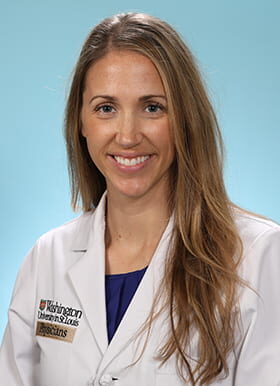
Marguerite W. Spruce, MD
Adjunct Instructor in Surgery
Division of Acute and Critical Care Surgery
Assistant Director, CHESS
- Phone: 314-362-5298

CHESS faculty fellow emeritus
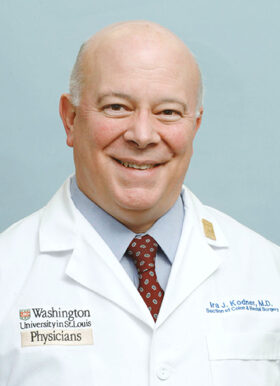
CHESS faculty fellows
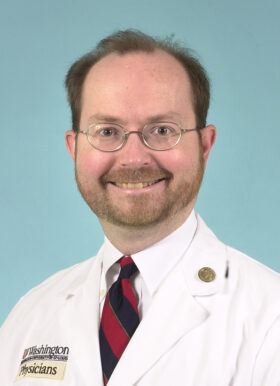
John P. Kirby, MD
Associate Professor of Surgery
Division of Acute and Critical Care Surgery
Director, Burn and Wound Healing Programs, Acute Rehabilitation, Advanced Trauma Life Support & TEAMS Programs, Barnes-Jewish Hospital
- Phone: 314-362-5298
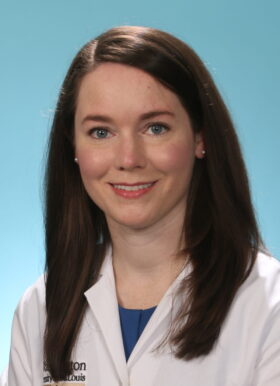
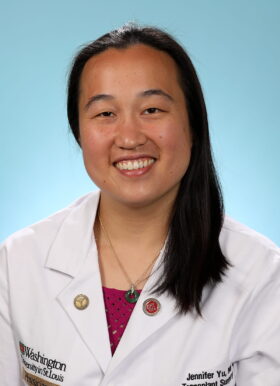
Jennifer Yu, MD, MPHS
Assistant Professor of Surgery
Division of Transplant Surgery
Director, General Surgery Residency Program
Program Director, General Surgery Residency

Aisling Last, MD
Assistant Professor of Otolaryngology—Head & Neck Surgery
CHESS resident fellows
- Britta Han, MD
- Annie Hess, MD
- Paul Kepper, MD
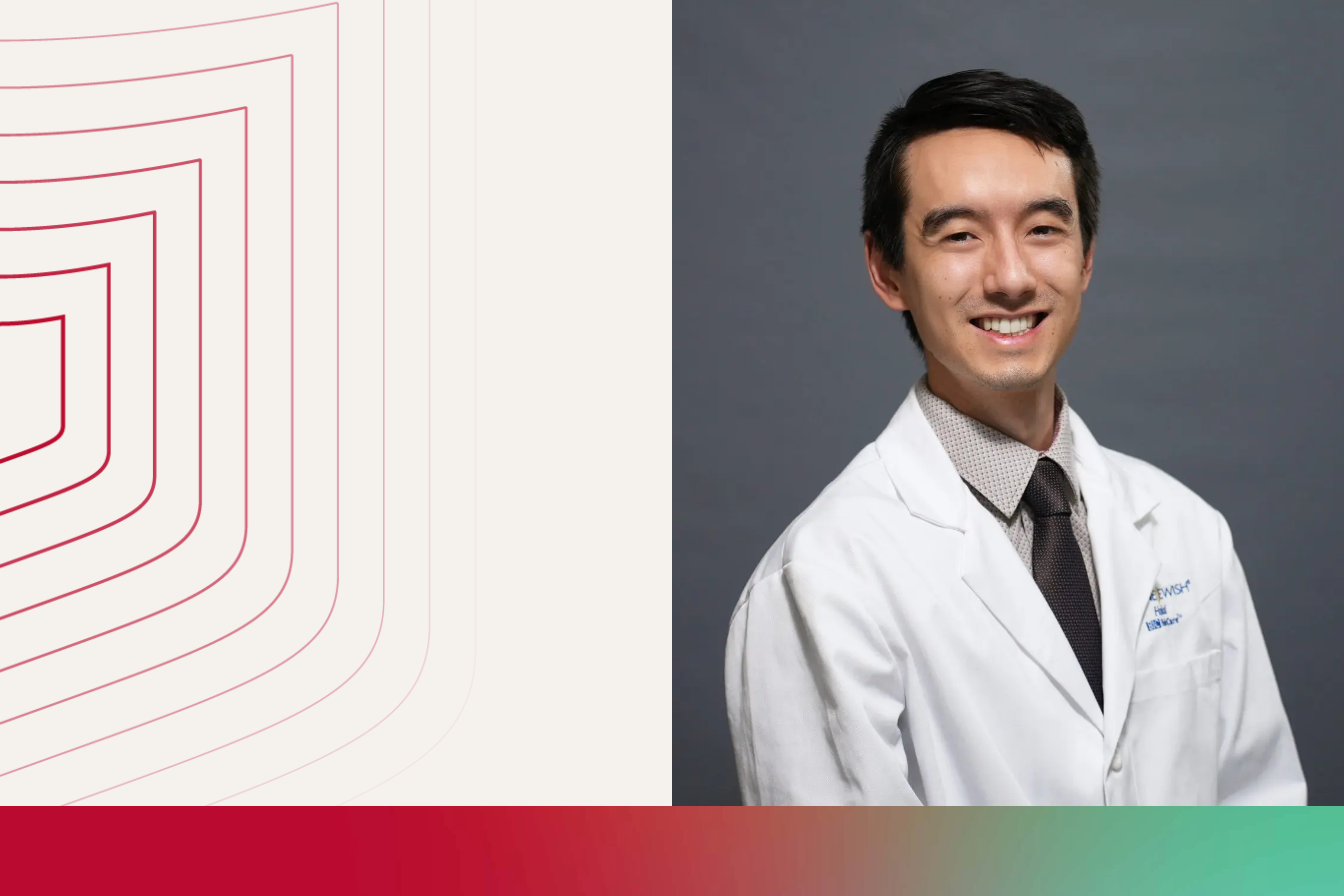
- Christopher Noda, MD
- Hannah Phelps, MD
- Nikki Rosetti, MD
Education
Graduate medical education
- Resident surgical ethics education: CHESS supports the surgical ethics education of the general surgery residents in the Department of Surgery at WashU Medicine. The surgical ethics curriculum for the general surgery residents includes discussion of the basic principles of bioethics, informed consent in surgery, difficult conversations, goals of care, and end of life care. The curriculum also hosts ethics-focused Morbidity and Mortality conference every three months where an ethical case is discussed and analyzed in a public forum within the department. This curriculum is led by Dr. Maggie Spruce.
- The Good Surgeon project: The Good Surgeon project aims to explore humanistic and reflective dimensions of surgical practice through a year-long curriculum that includes literature, narrative medicine, artwork and other mediums from across the humanities. This project is a multi-institutional collaboration and the WashU Medicine chapter is led by Dr. Matthew Rosengart and Dr. Kathryn Rowland.
Medical student education
- Medical student surgical ethics education: CHESS fosters the moral development of students and the ethics curriculum of WashU Medicine. Medical students participate in surgical ethics informed consent discussions and small group case studies as part of their surgical clerkship rotation. This curriculum is led by Dr. Maggie Spruce and Dr. Kathryn Rowland.
- Medical student surgical ethics elective: Ethical Challenges in Surgery allows medical students to more fully explore clinical surgical ethics. The goal of the elective is to encourage students to integrate attention to the ethical dimensions of care into their future career as physicians, researchers, and educators. Students are encouraged to pursue a challenging surgical ethical case of interest, perform a robust clinical ethical analysis, and prepare a summative document. Led by Dr. Aisling Last.
Research
Surgical Ethics Research Consortium
The CHESS Surgical Ethics Research Consortium allows faculty, residents, and medical students to collaborate on surgical ethics projects. Through participation in journal club, challenging case discussions, and engagement in research projects, this group exists to foster the community and discussion surrounding ethics within the Department of Surgery at WashU Medicine. Meetings occur every other month, and all are welcome to participate!
Spruce MW, Applewhite MK, Martin M, Gurney JM, Lough FC, Tadlock MD, Holcomb JB. Justice and triage in military medical ethics: A brief report. J Trauma Acute Care Surg. 2025 Aug 1;99(3S).
Spruce MW, Shelat VG, Squirrell K, Brown D, Kopar P. “Applied Ethics in Surgery: What Do We Invite Our Patients to Trust?” Fostering Humanism in Surgery. Bosco and Jotterand (Eds.). Springer Cham, May 2025.
Loveless Z, Rowland KJ. “Building Character in Surgical Residency: How Surgeons Learn Wisdom and Humility.” Fostering Humanism in Surgery. Bosco and Jotterand (Eds.). Springer Cham, May 2025
S Huang, S Ray, D Brown, P Kopar. When Are Patients Dead: The Cost of Lingering Ambiguity. J Clin Ethics. 2025; 36(3):263-267. doi: 10.1086/736142.
A Hess, H Phelps, D Brown, P Kopar. Do we know what we are talking about? Measuring resident and faculty surgical ethics competency. Global Surgical Education 2 (October 2023) DOI.org/10.1007/s44186-023-00167-9.
D Paneitz, H Jefferson, D Hanto, M McKneally, T Williamson, J Mayer, P Angelos, D Brown, P Kopar. Surgical ethics training: educational and professional opportunities. Annals of Surgery 278 (December 2023):e1161-e1163. DOI:10.1097/SLA.0000000000006081.
C Noda, D Brown, P Kopar. The surgeon as professional: changes and challenges over time. Annals of Surgery (2022) doi: 10.1097/SLA.00000000000005778.
P Kopar, A Visani, K Squirrell, D Brown. Addressing futility: a practical approach. Critical Care Explorations 4 (July 2022) doi: 10.1097/CCE.0000000000000706.
P Kopar, K Vallar, P Kepper, D Brown. To reimagine the surgeon archetype, we need an arche-system. Surgery 171 (April 2022):1135-36.
C Drubin, C Frye, D Brown, P Kopar. When doctors disagree: a case-based discussion of proactive ethics. Journal of Clinical Ethics 32 (Spring 2021):61-68.
P Kopar, D Brown, and I Turnbull. Ethics of codes and codes of ethics: when is it ethical to provide cardiopulmonary resuscitation during the COVID-19 pandemic? Annals of Surgery 272 (December 2020):930-34.