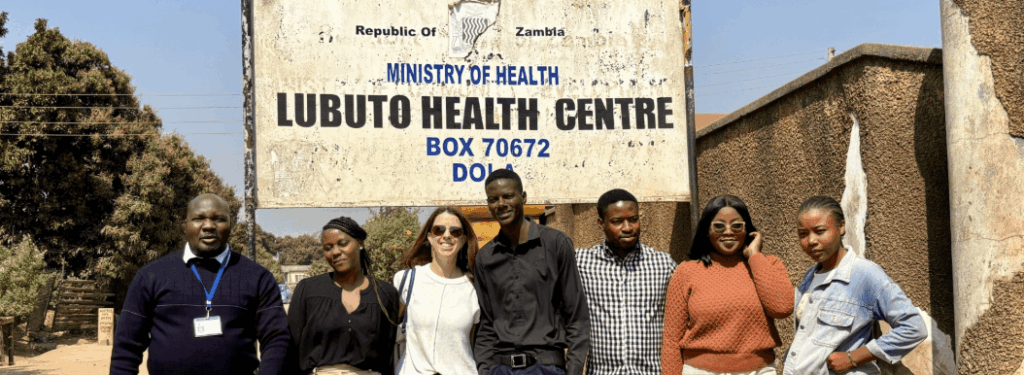
The Hunleth Lab investigates the social, political, and economic contexts that shape how people seek and respond to health care and medicine, across a range of diseases.
The lab is led by Jean Hunleth, PhD, MPH, an associate professor of surgery in the Division of Public Health Sciences at WashU Medicine.
Dr. Hunleth is a medical anthropologist with public health training and professional experience working in global health. Her research focuses on the experience of caregiving and treatment seeking for infectious and chronic diseases in Africa (most specifically, Zambia) and in the United States. She is especially interested in children’s experiences of and responses to illness, medicine, and health programming. Her work demonstrates that identifying children’s actions and perspectives facilitates the design of more appropriate and family-centered health interventions for children and adults.
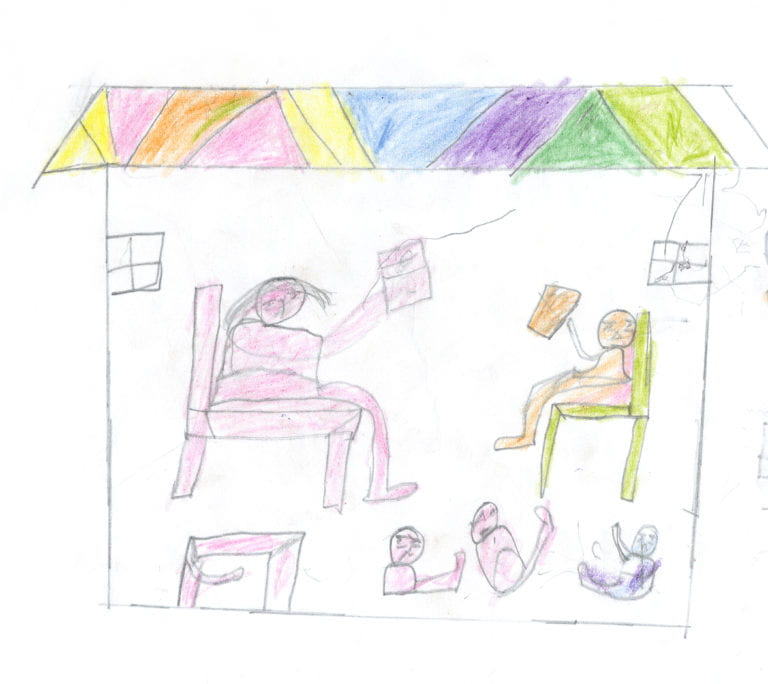
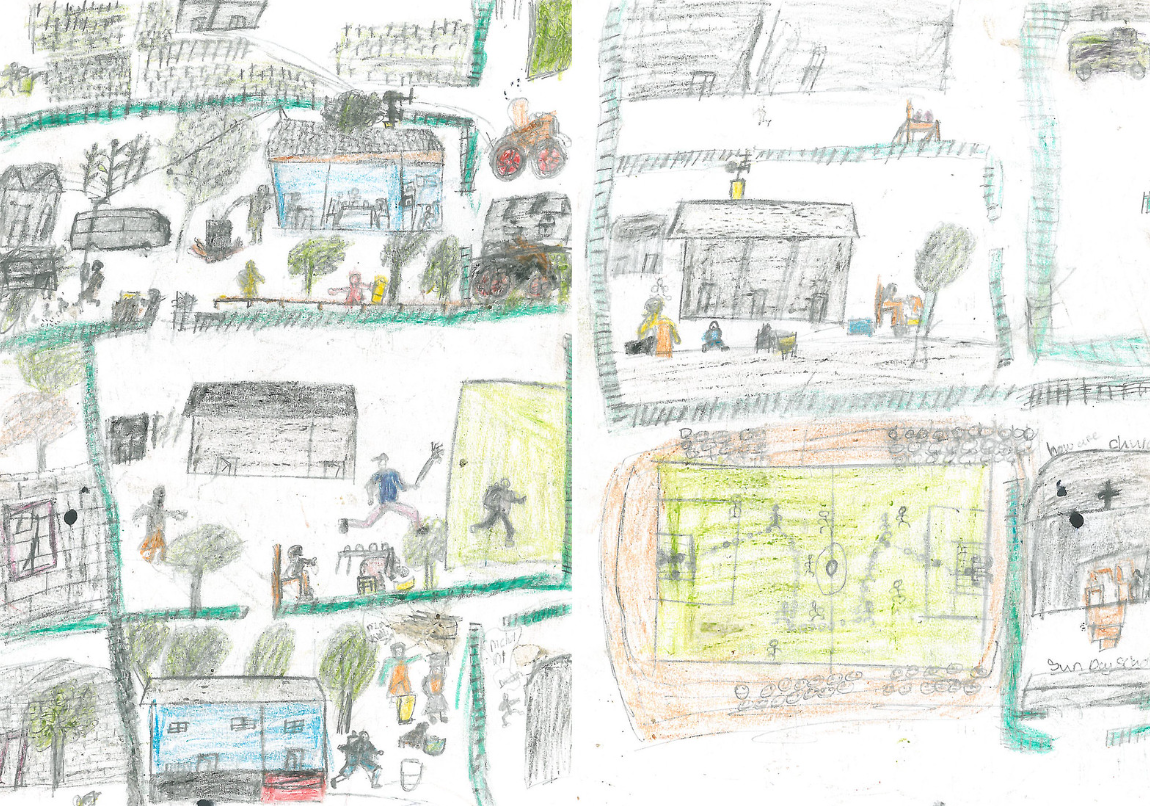
Dr. Hunleth’s approach to research is creative and rigorous. She uses ethnographic and qualitative interviews and observational methods as well as participatory techniques such as drawing, role playing, and photography. Her aim is to reduce disparities and improve health care delivery through focusing on the practical knowledge and lived experience of people typically left out of health programming and policy decisions.
The major objectives of the Hunleth Lab are to:
- Identify the social, political, and economic contexts that shape how people seek and respond to health care and medicine, across a range of diseases such as cancer, HIV, tuberculosis, and asthma.
- Examine the social and political implications of family caregiving, including caregiving by children, in order to better assist caregivers and reduce caregiver strain.
- Develop methodologies to honor children’s experiences of and responses to illness, and use their research contributions to inform more appropriate health programming.
- Create innovative, multi-modal approaches to disseminating research on health to the public.
Principal investigator
Jean M. Hunleth, PhD, MPH
Associate Professor of Surgery and Anthropology
Division of Public Health Sciences
- Phone: 314-747-8066
Contact
660 S. Euclid Ave.
Campus Box 8100
St. Louis MO 63110
[email protected]
314-747-8066
Opportunities
The Hunleth Lab welcomes those interested in joining our research to reach out for more information!
Research methodologies
The Hunleth Lab comprises teams of experts from various disciplines, working collaboratively to address complex health care issues in Zambia and the United States. By utilizing diverse and innovative methodologies, we strive to understand and improve health systems and practices.
Our research projects are grounded in anthropological theory and methods, focusing on critical medical, public health, and global health issues.
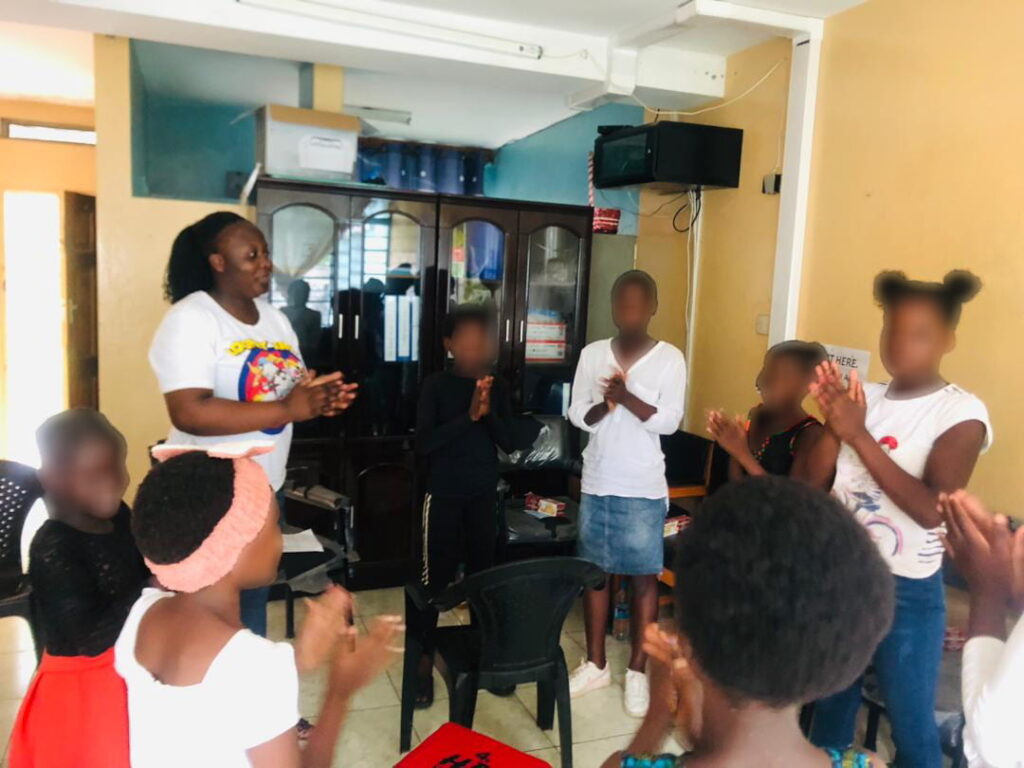
- Arts and play-based methodologies: Qualitative health research utilizing arts and play-based methodologies offers an innovative and engaging approach to understanding health experiences and behaviors. By incorporating creative expressions and playful interactions, these methods provide unique insights into the emotional, psychological, and social dimensions of health, particularly for populations such as children and those with limited verbal communication skills. Our lab is dedicated to showcasing the significance, techniques, and applications of arts and play-based methodologies, including drawing, storytelling, drama, music, and games, in qualitative health research.
- Children’s participation: Children’s participation in research is essential for gaining insights into their unique perspectives, experiences, and needs. By including children in research, the Hunleth Lab ensures their voices are heard and considered, ultimately leading to more accurate, relevant, and effective policies and interventions that impact their lives. Our lab is dedicated to exploring the importance, methods, and ethical considerations of involving children in research.
- Ethnographic methods: Ethnographic methods offer a profound and immersive way to study people, cultures, and social practices, providing deep insights into the context and nuances of human behavior. Rooted in anthropology, these qualitative research methods emphasize participant observation, in-depth interviews, and the exploration of everyday life from the perspective of the participants themselves. The Hunleth Lab is dedicated to showcasing the significance and application of ethnographic methods in research.
- Qualitative health: Qualitative health research is an invaluable approach that provides deep, nuanced understanding of health behaviors, experiences, and outcomes. By focusing on the perspectives and lived experiences of individuals, qualitative research uncovers the complex and multifaceted nature of health and illness, contributing to more effective and empathetic health care practices. Our lab is dedicated to exploring the significance, methodologies, and applications of qualitative health research.

Current research

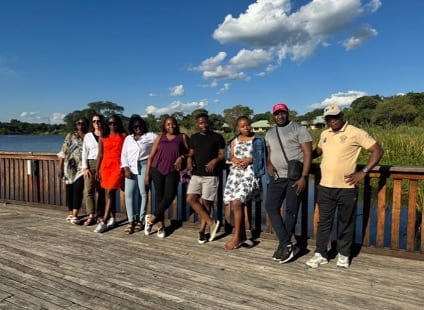
Arthur Davison Children’s Hospital (ADCH) provides cost-effective health care to children aged between 0 and 14 years. Bedsiders are critical to care in hospitals and other health care settings in Zambia. These bedsiders often face challenges that can affect the health outcomes of the patient and the bedsider, as well as the household (Mutanekelwa and Chileshe, 2020; Chileshe, Bunkley, and Hunleth, 2022). Efforts exist to assist bedsiders in hospitals and other health care settings in Zambia, including in ADCH. Such efforts include, but are not limited to, mothers’ shelters, other hospitals, and clinics serving remote locations.
At present, efforts to support bedsiders are often limited in scope, rely on the capacity of individuals, and are constrained by funding. Such efforts may provide important support to bedsiders. However, there are limited studies on the effectiveness of such support due to their scope and scale. Alternatively, studied interventions that have been shown effective in other contexts or with caregivers of adult patients may not reflect the needs of health care professionals and caregivers of pediatric patients at ADCH and in Zambia.
Project goals
In this study, we carried out formative research in ADCH to understand the roles bedsiders played in the hospital and their supportive care needs. Bedsiders exist in hospitals and health care settings throughout Zambia. Thus, the issues indicated in this report apply and will be useful to hospitals and health care settings throughout Zambia.
Our objectives are as follows:
- Broadly describe the situation of bedsiding in the hospital from the perspectives of health care professionals and bedsiders
- Examine in-depth bedsiders’ personal narratives that shape their experiences in the hospital
- Identify bedsiders’ needs as well as strong practices, areas for growth, and recommendations for ADCH and other facilities seeking to support bedsiders
Project contact
Lindsey Kaufman: [email protected]
Project staff
Principal investigators: Jean Hunleth, PhD, MPH (contact PI); Mutale Chileshe, PhD; Sam Miti, MBChB, MMed
Research staff: Comfort Asante, MBChB, Lindsey Kaufman, BA; Sarah Burack, BA
Funding sources
- Foundation for Barnes Jewish Hospital
- Siteman Cancer Center
- St. Jude Children’s Research Hospital
- Collaborative Research Consortium on Chromatin Regulation in Pediatric Cancer
In Zambia, due to the rise of tuberculosis and the closely connected HIV epidemic, a large number of children have experienced the illness or death of at least one parent. Children as Caregivers examines how well-intentioned practitioners fail to realize that children take on active caregiving roles when their guardians become seriously ill and demonstrates why understanding children’s care is crucial for global health policy.
Using ethnographic methods, and listening to the voices of the young as well as adults, Dr. Hunleth makes the caregiving work of children visible. She shows how children actively seek to “get closer” to ill guardians by providing good care. Both children and ill adults define good care as attentiveness of the young to adults’ physical needs, the ability to carry out treatment and medication programs in the home, and above all, the need to maintain physical closeness and proximity. Children understand that losing their guardians will not only be emotionally devastating, but that such loss is likely to set them adrift in Zambian society, where education and advancement depend on maintaining familial, reciprocal relationships.
Children do things within times and spaces characterized by illness: they nurture bodies and minds; they sustain relationships, upholding households and families under duress; they assist states struggling with gutted health-care systems. Their caregiving might even sustain global health policies and programs in ways yet unrecognized. But I have also shown that an overemphasis on children’s agency—understood as the active roles children take in the world—invites us to overstate children’s power, understate their vulnerability, and insufficiently problematize the constraints placed on children. Children are, in fact, agents, but they are not “super agents,” we are wise to remember. None of us are. In my work on children’s caregiving, I examine caring acts from their perspectives and experiences, which has led me to identify children’s agency in care and attend to how larger social and economic structures, that make children and their families vulnerable, shape their care.
Published book: Children as Caregivers
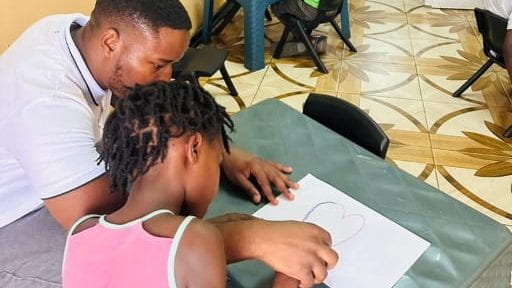
Significant unmet costs hinder access to childhood cancer diagnoses and treatments. Identifying, measuring, and addressing these unmet costs is essential to the success of interventions and programs to reduce childhood cancer mortality in Zambia.
Project goals
Identify the multiple costs associated with cancer diagnostic and treatment delay and abandonment for children from distant locales.
Determine mechanisms for the delivery and sustainability of cash transfers for childhood cancer care at the health care system level.
Project contact
Lindsey Kaufman: [email protected]
Project staff
Principal investigators: Jean Hunleth, PhD, MPH, Sam Miti, MBChB, MMed
Co-investigators: Michelle Silver, PhD, ScM, Comfort Asante, MBChB
Project coordinators: Lindsey Kaufman, BA, Aliness Mwilaba-Dombola, BS, BA, MSC, MPH
Research assistants: Christian Musilikare (BS, MBChB)
Funding source
National Cancer Institute
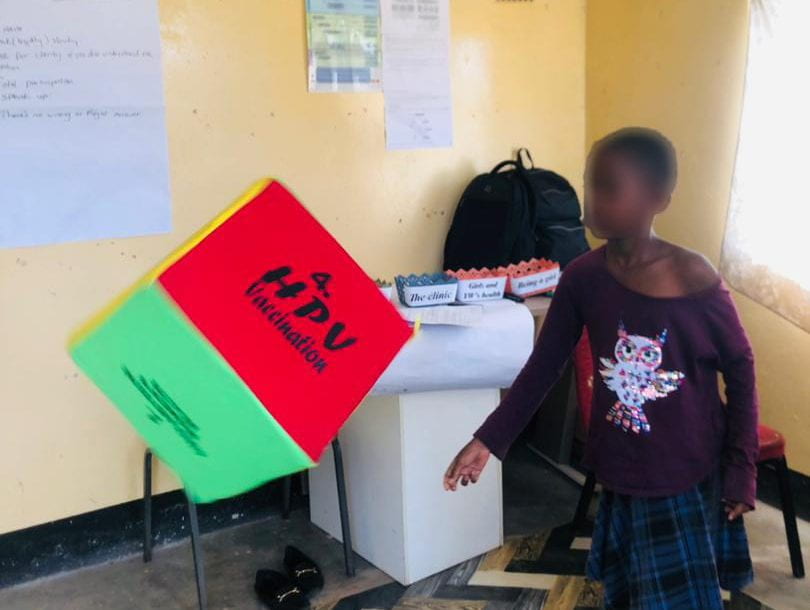
The purpose of REACH is to ensure that adolescents living with HIV have access to vaccination on the WHO-recommended 3-dose schedule by integrating HPV vaccination into routine care in adolescent HIV clinics to dramatically lower the cervical cancer burden in this high-risk group.
Project goals
- Aim 1: Identify the contextual factors (barriers and facilitators) across setting that influence HPPV vaccine uptake.
- Aim 2: Use stakeholder feedback and findings from Aim 1 to inform strategies to integrate HPV vaccination into health services.
- Aim 3: Test the effectiveness of the strategies selected in aim 2 to increase HPV vaccine uptake.
Project contact
Lindsey Kaufman: [email protected]
Project staff
Principal investigators: Jean Hunleth, PhD, MPH (contact PI), Michelle Silver, PhD, ScM, Sam Miti, MBChB, MMed
Co-investigators: Ana A. Baumann, PhD, Thembekile Shato, PhD, MPH
Project coordinators: Lindsey Kaufman, BA, Alines Mwilaba-Dombola, BS, BA, MSC, MPH
Research staff: Comfort Asante, MBChB, Kelvin Kapungu, BSW, MPH, Diana Mwanza, BA, Petronella Singogo, BSW, Tasha Ngalande, BA, Christian Musiliare, MBChB, Lusungu Msimuko
Funding sources
National Cancer Institute
Foundation for Barnes-Jewish Hospital
Past projects
National Heart Lung and Blood Institute
09/2018-06/2022
1R01HL137680, (Waters)
This research will lay the groundwork for a future intervention by characterizing the basic psychological nature of caregivers’ beliefs about their child’s risk of having an asthma exacerbation (i.e., “proxy” risk beliefs). We will also characterize the cognitive processes by which such beliefs encourage or discourage caregiver-initiated risk-reducing behavior and interact with the broader social context.
Role: Co-investigator
American Cancer Society
2/2015-12/2016
Grant # MRSG-13-153-01-CPPB, (Lobb)
This mixed methods study surveyed Federally Qualified Health Centers and Rural Health Clinics in southeast Missouri to estimate adoption of patient navigation to improve early detection of breast cancer and the organizational characteristics that predict adoption.
Role: Co-investigator
National Cancer Institute
2/2015-12/2016
Grant # R21CA181684-01A1, (Lobb)
Provided qualitative expertise during all stages of the research, from the development of interview guides, training interviewers, assisting with interviews, and analyzing the data. This study uses qualitative methods to investigate patients’ perspectives on services they received from health care organizations in rural southeast Missouri to assist them with completion of follow-up care after an abnormal mammogram.
Role: Co-investigator
National Cancer Institute
8/1/2020-7/31/2021
R01CA233848-S1 (Hunleth, supplement lead; James, PI of R01)
This study responds to a funding opportunity NOT-CA-20-035, “Research in Geographically Underserved Areas,” with the objective of elucidating the nature and context of CRC screening supporters’ roles in GUAs. In this implementation science study, we are using participatory methods to foreground participants’ perspectives given the limited extent of our knowledge about supporters. This additional work expands the public health impact of R01CA233848 by (1) identifying patterns and social determinants of colonoscopy support in GUAs, and (2) determining how supporters may shape the outcomes and processes of the multi-level intervention, an element missing from many discussions of multi-level interventions.
Role: Lead
Our team
Jean M. Hunleth, PhD, MPH
Associate Professor of Surgery and Anthropology
Division of Public Health Sciences
- Phone: 314-747-8066
Staff
Lindsey Kaufman
Public Health Research Coordinator II (part-time)
[email protected]
Victoria Leigh Brown, PhD, MA
Postdoctoral Research Fellow
[email protected]
Sarah Burack
Public Health Research Coordinator II (part-time)
Comfort Asante
News and updates



Lab alumni
- Kayla Wallace
- Jonathan Lohnes, PhD, MA
- Emma Bunkley, PhD, MA
- Sienna Ruiz
- Casey Allen, MPH, CPH
- Eric Weidenman, PhD, MPH, MS
- Katharine Lee, PhD, MS
- Hannah Fetchel
- Julie Spray, PhD
- Amanda Lee, MPH, MA
- Marina Perez-Plazola –Medical Student, Washington University School of Medicine, Student Research Program (2020 – 2020)
- Laurel Schmidt, MPH/MSW, Washington University, practicum student (2020-2021)
- Lindsey Kaufman – Undergraduate, Washington University
- Institute of Public Health Summer Program (2020-2021)
- Katherine Sleckman – BA, University of Georgia
- Siteman Summer Research Program (2020-2021)
- Angeline Gacad – MPH student, Washington University
- Practicum student (2020-2021)
- Meghana Srinivas –Pediatric Hematology/Oncology Fellow, Washington University Scholarly oversight committee member (2022 – 2023)
- Casey Allen– MPH candidate, St Louis University, Institute of Public Health Summer Research Program and academic year program and APEx Internship, practicum mentor (2022 – 2023)
- Clarissa Gaona Romero, Institute of Public Health, Summer Research Program, and academic year program, practicum mentor
- Grace Duff, Institute of Public Health, Summer Research Program, practicum mentor (2024-2024)
- Rashida Namirembe, MSW, PhD practicum student, Brown School of Social Work, Washington Universit (2024-2024)