
The Dean’s Impact Awards were presented on April 21 at Missouri Botanical Garden. Among the recipients of this prestigious accolade were five faculty of the Department of Surgery at Washington University School of Medicine in St. Louis have been honored with 2026 Dean’s Impact Awards, recognizing their outstanding and sustained contributions to the medical school and the broader community.
Winners from the Department of Surgery are:

Read more about each of the recipients
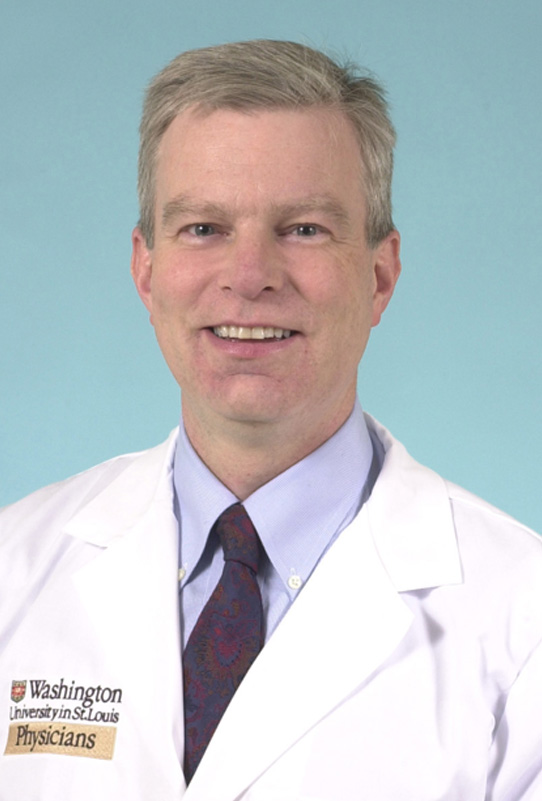
Patrick Dillon, MD, has demonstrated unwavering commitment to pediatric surgical care in St. Louis, devoting the majority of his professional effort to the direct care of children and families across our region for nearly 30 years. Since joining WashU Medicine in 1999, he has been a constant clinical presence at St. Louis Children’s Hospital and affiliated sites, providing thoughtful, high-quality surgical care to generations of patients while maintaining deep ties to the local community he serves. Dillon is a master clinician whose judgment, technical skill, and steady leadership have shaped pediatric surgical practice locally and regionally. In parallel, he has served for 20 years as the director of the Pediatric Surgery Fellowship Program, ensuring that trainees learn operative technique, patient-centered care, and accountability. His long-standing service on hospital and national committees further reflects a career grounded in responsibility and follow-through. Dillon exemplifies the spirit of this award: Focused, durable excellence in clinical care, carried out with consistency, humility, and an enduring commitment to the children of St. Louis.
R. Sherburne Figenshau, MD: Since 1987 as a resident and later faculty member at WashU Medicine, R. Sherburne Figenshau, MD, has dedicated his career to advancing the field of urology and improving patient outcomes across generations. As the Taylor Family and Ralph V. Clayman Endowed Chair in Minimally Invasive Urology, Figenshau exemplifies excellence in delivering care, research, and mentorship. His clinical expertise is unparalleled. He played a crucial role in performing the first clinical laparoscopic nephrectomy. He pioneered the robotic surgical program at Barnes-Jewish, Barnes-Jewish West County and St. Louis Children’s hospitals. Figenshau’s research in minimally invasive urology amplifies his impact. A dedicated mentor, Figenshau has profoundly impacted the careers of many house officers. He leads the Midwest Stone Institute, which is now training its 60th fellow. Twelve have become program directors or department chairs. While he is internationally known, he also carries the affectionate reputation of being “your favorite urologist’s favorite urologist.”
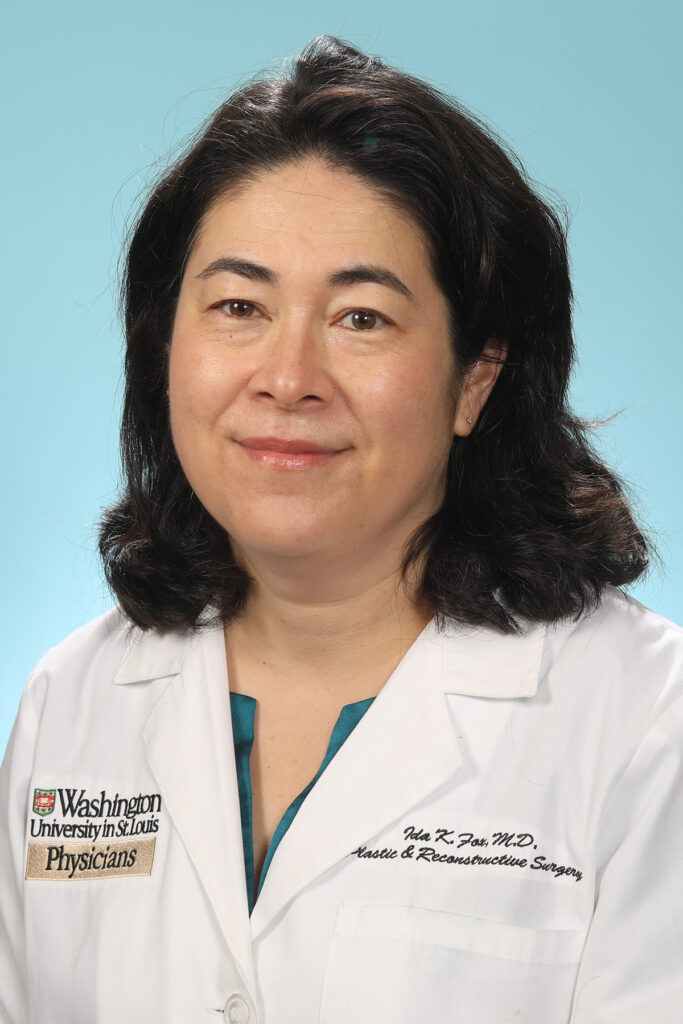
Ida Fox, MD, professor of surgery, is a leader in restoring upper extremity function for people with cervical spinal cord injury. Since 2007, Fox has developed a WashU Medicine practice that individualizes care for the most clinically and socially complex patients. She championed using nerve transfer surgery to improve function in this medically and surgically complicated vulnerable population. Her funded clinical knowledge-translation research, meticulous patient-focused approach, and innovative surgical techniques are changing the paradigm of care for these challenging patients. She personally coordinates multiple disparate resources throughout the health-care system to provide the ideal care for these patients. Her mastery has disrupted the field and brought attention to this underserved area of clinical care. Restoring movement in those with paralysis is emblematic of Fox’s formidable intellect and technical prowess. Success with these challenging patients has established her as the surgeon’s surgeon. Her knowledge and skills are sought by leaders around the country and internationally. Her selection as the 2026 President of the American Society for Peripheral Nerve is the ultimate recognition of her clinical work. A tireless advocate for inter-professional collaboration and communication, she has inspired generations of trainees who value working with a successful and skilled mentor who shows unflappable calm and patience.
Bryan Meyers, MD, MPH, represents the very best of WashU Medicine — an extraordinary clinician whose career has been defined by sustained excellence, integrity, and an unwavering commitment to patients and trainees alike. For decades, Meyers has delivered exemplary care to patients with the most complex thoracic diseases, particularly lung and esophageal cancer. His clinical judgment, technical precision, and compassionate approach consistently produce outstanding outcomes and earn the profound trust of patients and referring physicians. He sets the standard for what it means to be a master clinician fully devoted to direct patient care. Beyond his individual practice, Meyers’s impact is national in scope. Through his leadership with the American Board of Thoracic Surgery, he has shaped standards of training, certification, and professionalism for generations of cardiothoracic surgeons. Few individuals have influenced so many trainees — both at WashU Medicine and across the country — through mentorship, examination leadership, and role modeling of ethical, patient-centered surgical care. His quiet leadership, humility, and dedication to excellence have left an enduring mark on our field. Meyers’s career exemplifies the spirit and purpose of the Dean’s Impact Award.
Luis Sanchez, MD: The clinical impact of Luis Sanchez, MD, within the Department of Surgery, as well as the broader medical campus, cannot be understated. For the last two decades he has consistently been the surgeon called upon to expand what is possible within the operating room. Internationally, he is recognized as a leader in the minimally invasive treatment of aortic disease and has mentored and trained countless surgeons from across the globe in these treatment options. He has an active clinical practice collaborating with other specialties to support and grow their clinical programs: thoracoabdominal aortic with cardiac surgery, mesenteric and hepatic with transplant and hepatobiliary surgery, and carotid and neck-based with otolaryngology. In these roles he has been a “force multiplier” for not only vascular surgery but patients of other specialties. He recently stepped down as the chief of the section of vascular surgery and left the group strong enough to be elevated to a division within the department of surgery, a testament to the growth of all aspects of the mission of WashU Medicine. However, it is his clinical expertise and surgical talents that will leave the most enduring impact on the hospital, patients, and surgical trainees in the years to come.
The Dean’s Impact Awards honor faculty whose work significantly advances the school’s missions in clinical care, research, education and community service. Recipients are recognized for leadership that improves patient outcomes, drives innovation in surgical practice, enhances training for the next generation of surgeons and strengthens collaborations across divisions and sections within the Department of Surgery.
These luminaries are being recognized for their leadership and impact across multiple divisions and sections in the Department of Surgery, including excellence in patient-centered care, development of innovative surgical techniques, contributions to clinical and translational research, and mentorship of residents, fellows and junior faculty. Their collective work has helped elevate the department’s national profile and advance WashU Medicine’s mission to improve human health through outstanding clinical care, scientific discovery and education.
The Dean’s Impact Awards are among the school’s prominent internal honors conferred by the dean’s office and highlight the prestige of faculty who are selected. Recognizing only a limited number of faculty each year, these awards underscore the breadth and significance of the honorees’ contributions to the academic medical center and to the communities it serves.