
7 Things to Know About Lymphedema
Lymphedema is swelling caused by a blockage or damage to the lymphatic system. Most cases of lymphedema in the United States happen after cancer or cancer treatment. Understanding this condition can help with lymphedema prevention, management and treatment.
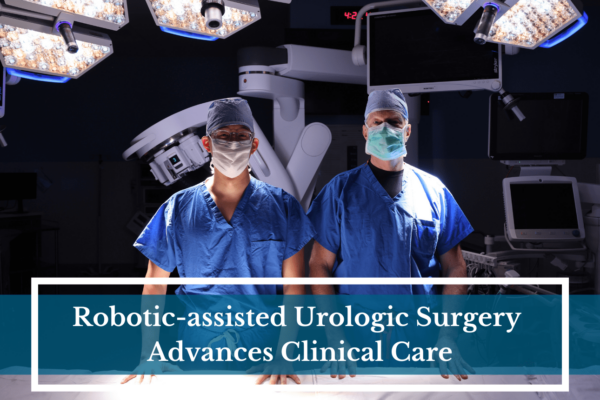
Robotic-assisted Urologic Surgery Advances Clinical Care
Washington University urologic surgeons embrace leading-edge robotic techniques to advance clinical care.

What is HIPEC surgery?
Learn about the benefits of HIPEC surgery for people in St. Louis with abdominal cancer.
Campus Catch-Up
The Washington University campus community is making headlines every day. Members of the School of Medicine are regularly featured in local, national and international news stories. Department of Surgery faculty, staff and medical students are leaders in their specialties, and share their expertise when called upon. Campus Catch-Up collects some of these stories and celebrates members of the community who are receiving recognition.

LaSalle Leffall, Jr., MD, FACS: A Champion for Health Equity
LaSalle Leffall, Jr., MD, FACS, one of Homer G. Phillips Hospital’s most notable alumni, had an immeasurable impact on surgical oncology and health equity.

Coaching After Amputation: Sam’s Story
Sam Schaefer suffered from constant pain after an injury left him with a rare neurological condition. After a below-the-knee amputation at Washington University School of Medicine in St. Louis, he is back to playing hockey, breaking world records and coaching at a local gym.
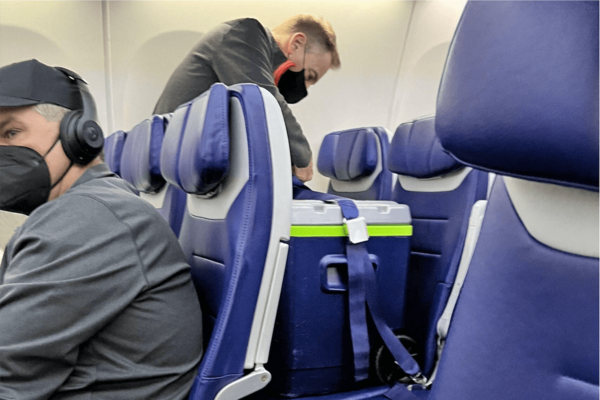
Precious cargo: Donor lungs get seat on Southwest flight to St. Louis as transplant team fights time and snowstorm (Links to an external site)
After a winter storm prevented a Mid-America Transplant flight from getting out of Chicago, the transplant team bought a ticket for the lungs on Southwest Airlines which ferried the precious cargo to St. Louis in time for a transplant operation at Barnes-Jewish Hospital.
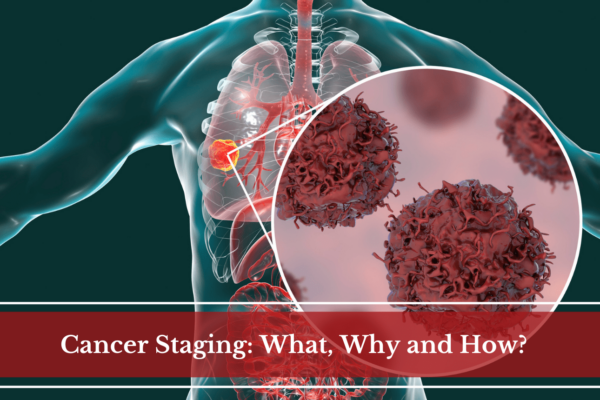
Cancer Staging: What, Why and How?
Cancer staging is an essential step in the cancer treatment process. When a patient is diagnosed with cancer, staging tests indicate the extent and progress of cancer. Knowing this information assists physicians in deciding treatment options and can also predict health outcomes for the patient.
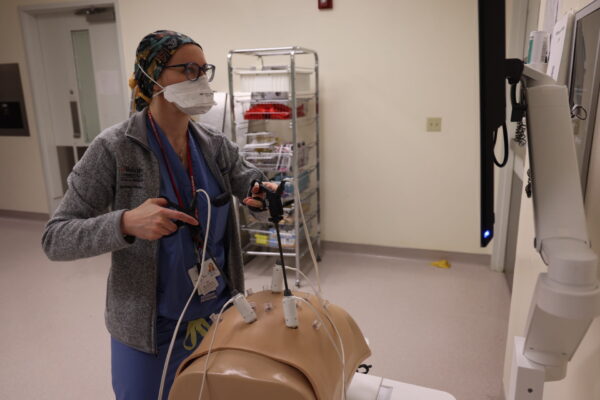
Virtual Reality Laparoscopic Skills Training at WISE
Washington University surgery faculty and trainees are evaluating a new virtual reality laparoscopic skills simulator at the WISE Center.

Understanding Innate Immunity in Lung Transplantation
Washington University General Surgery residents and leaders of the Thoracic Immunobiology Laboratory collaborated to discuss the body’s innate immune responses that could lead to lung injury and allograft failure.
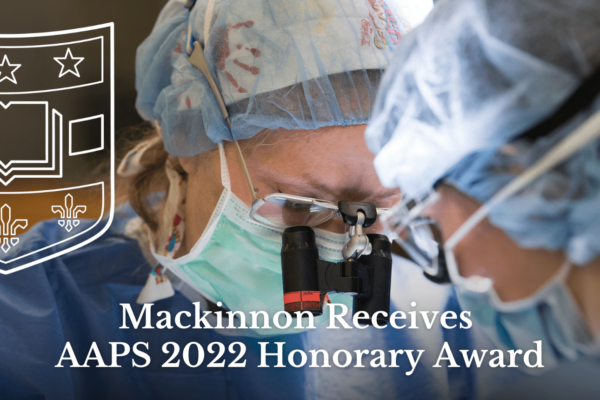
Mackinnon Receives AAPS Honorary Award
Susan Mackinnon, MD, the Minot Packer Fryer Professor of Plastic Surgery at Washington University School of Medicine in St. Louis, has received the American Association of Plastic Surgeons (AAPS) 2022 Honorary Award.
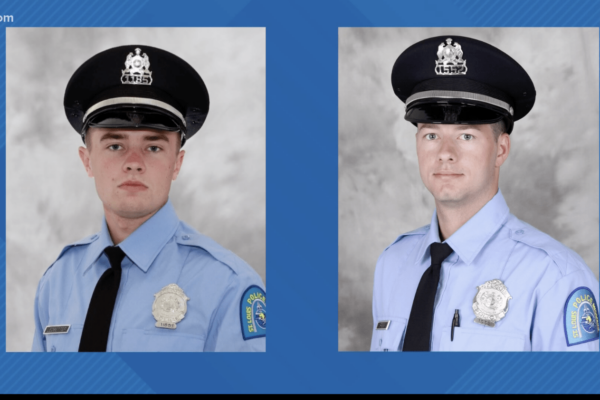
St. Louis police officer recovering after shooting, defies odds (Links to an external site)
Colin Ledbetter, 25, was taken out of the ICU this week to begin inpatient rehabilitation.