A multidisciplinary research team at Washington University School of Medicine published a pivotal study. The research identified mechanisms that encourage a favorable cellular microenvironment conducive to lung transplantation graft survival.
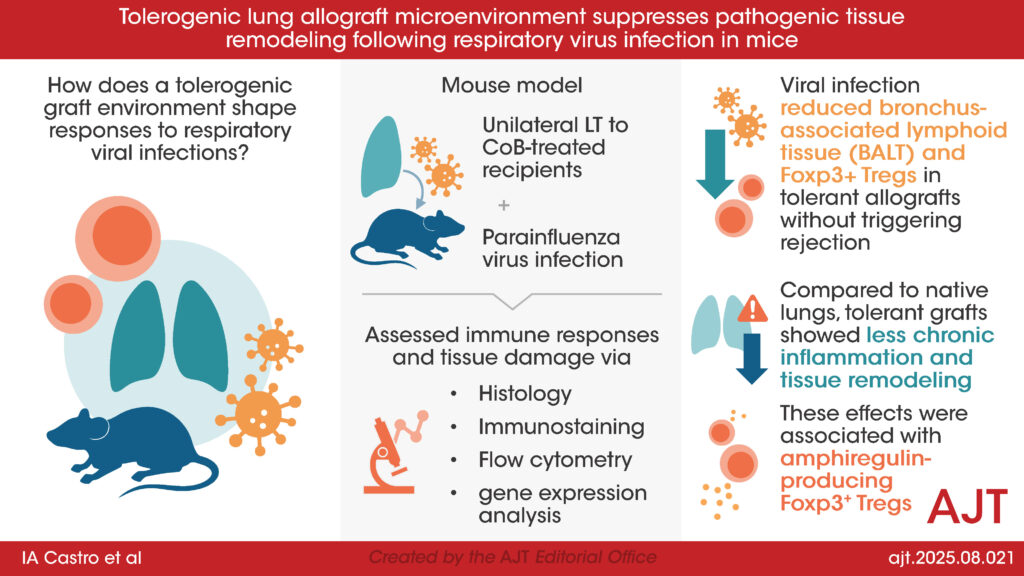
Researchers, led by Daniel Kreisel, MD, PhD, who is the G. Alexander Patterson, MD/Mid-America Transplant Distinguished Endowed Chair in Lung Transplantation in the Department of Surgery, Carolina Lopez, PhD, the Theodore and Bertha Bryan Professor of Environmental Medicine and BJC Investigator in the Department of Molecular Microbiology, and David Wang, PhD, the Robert C. Packman Professor in the Department of Molecular Microbiology at WashU Medicine discovered that amphiregulin-expressing Foxp3+ regulatory T cells that reside within bronchus-associated lymphoid tissue may help lung allografts resist chronic inflammation and adverse tissue remodeling – a harmful reorganization of cellular structures – after viral infections.
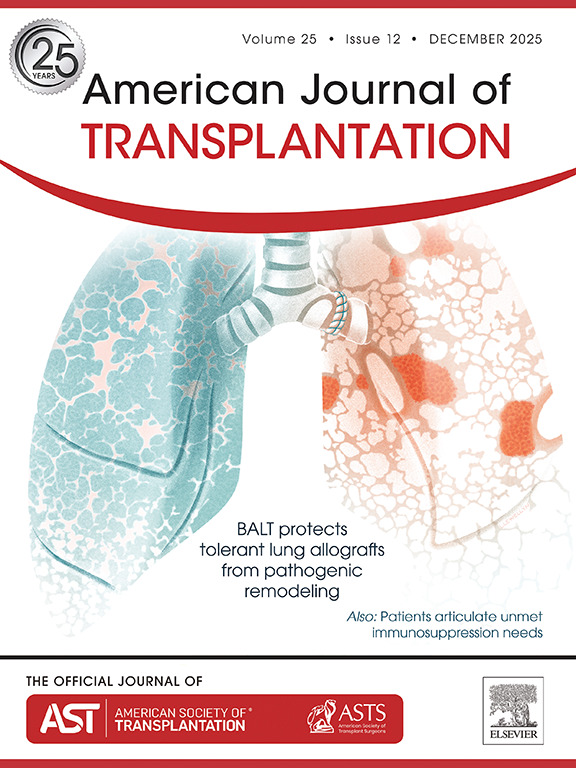
The findings were published in the American Journal of Transplantation and were selected as the Editor’s Choice article as well as the cover for the December issue.
This insight marks significant progress in preventing chronic lung disease post-transplantation thereby improving long-term outcomes. The team used techniques like single-nuclear RNA-sequencing and flow cytometry to characterize lung samples from tolerant subjects that have been infected with respiratory viruses. This is of high relevance for lung transplant patients as respiratory viruses are known risk factors for the loss of graft function.
“It was observed that when tolerant transplanted lungs in murine models were infected with respiratory viruses, there was an initial acute inflammatory response,” Kreisel said. “Surprisingly, however, while native lungs experienced prolonged chronic inflammation and tissue remodeling, the transplanted tolerant lungs managed to recover more effectively. This suggests that the transplanted lungs tolerated the viral infections better than native lungs, resisting the severe chronic damage typically seen.”
A significant finding was that the airway epithelium in tolerant allografts recovered, with reduced areas of aplastic lung lesions at day 49 post-infection. In contrast, native lungs continued to exhibit markers of chronic inflammation and pathogenic remodeling. The presence of bronchus-associated lymphoid tissue, rich in amphiregulin-expressing regulatory T cells and essential for the tolerance process, was identified as an important factor leading to this resilience of the transplanted lungs to chronic inflammation and fibrosis.
“It was remarkable how the pre-existing cellular milieu in tolerant lung allografts impacted the tissue’s inherent ability to regenerate when facing severe infection by specific respiratory pathogens that are relevant in the clinical setting,” said Ítalo de Araújo Castro, PhD, one of the first authors of the study. “We witnessed once again the complexity of host-virus interactions and how it could lead to unexpected outcomes.”
These findings offer promising avenues for enhancing lung transplant success and patient outcomes. By leveraging the immune system’s regulatory pathways and refining transplantation techniques, there’s potential to significantly reduce the incidence of chronic lung disease post-transplant. The team of researchers propose future strategies to induce and maintain immunotolerant bronchus-associated lymphoid tissue, potentially using ex vivo lung perfusion before transplantation. The research group is also interested in exploring how previous exposure to respiratory viruses in lung donors impacts outcomes after transplantation.
This research was supported by various WashU Medicine departments, highlighting the institution’s ongoing commitment to ensuring better patient care through scientific discovery and innovation. It underscores the importance of multidisciplinary collaboration in advancing transplant medicine and developing new therapeutic approaches to improve patient outcomes.
Read more about ongoing and published collaborative research by the surgeon-scientists at the Thoracic Immunobiology Lab.