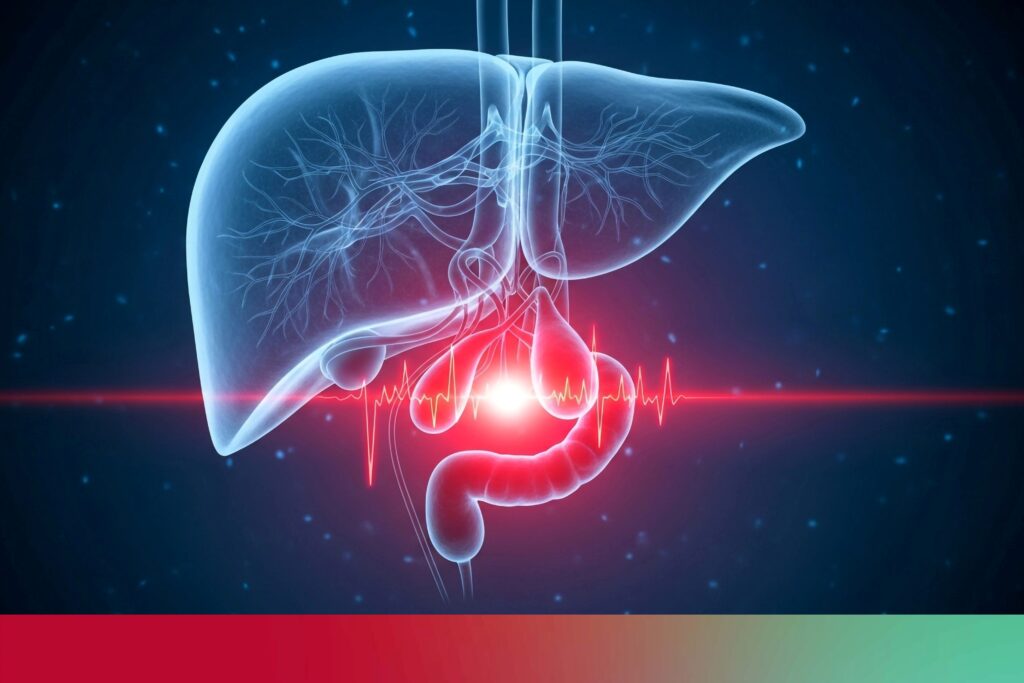
Your bile ducts are small tubes that connect the organs of your digestive system. They connect the liver, gallbladder, and small intestines. Together, the bile ducts and these organs make up the biliary system.
Bile ducts transport bile from the liver to the gallbladder and small intestine. Bile is a digestive fluid that helps break down fats in the food we eat.
These ducts start inside the liver as tiny channels called intrahepatic bile ducts. These channels merge to form larger ducts, eventually exiting the liver and connecting to the gallbladder and small intestine via the extrahepatic bile ducts.
The common bile duct is the large tube that carries bile from the liver and gallbladder to the small intestine, playing a key role in digestion.
Why are the bile ducts important?
The primary function of bile ducts is to carry bile.
Bile helps your body digest fats. It contains bile salts that help break fats into smaller droplets, making them easier to digest and absorb.
It also helps the body absorb fat-soluble vitamins, including vitamins A, D, E, and K, in the small intestine.
Bile also helps remove waste products, including bilirubin, a byproduct of red blood cells, from the liver.
Types of bile ducts
Bile ducts are categorized into different types based on their location and function. These types include:
- Intrahepatic bile ducts: These ducts are located within the liver and collect bile produced by liver cells.
- Extrahepatic bile ducts: These ducts are located outside the liver and include the common hepatic duct and cystic duct.
- Common bile duct: This duct carries bile from the liver and gallbladder to the small intestine, aiding digestion.
Bile duct problems
While the bile ducts play an important role in digestion, there are some issues that can affect these ducts. These issues can be severe, meaning it’s important to seek medical treatment if you think you have a bile duct problem.
- Gallstones: These are hard particles that can block bile ducts, causing pain and infection.
- Cholangitis: This is an infection of the bile ducts, often resulting from a blockage such as a gallstone.
- Primary sclerosing cholangitis (PSC): This chronic disease causes inflammation and scarring of bile ducts, leading to liver damage.
- Bile duct cancer: Also known as cholangiocarcinoma, this rare condition affects the bile ducts and requires immediate medical attention.
Symptoms of bile duct issues
Recognizing symptoms of bile duct problems can lead to early diagnosis and treatment. Common symptoms include:
- Jaundice: Yellowing of the skin and eyes.
- Abdominal pain: Especially in the upper right quadrant.
- Dark urine and pale stools: Indicators of bile flow obstruction.
- Itching: Generalized itching without a rash.
- Fever or chills: Often a sign of infection.
Maintaining healthy bile ducts
Maintaining bile duct health involves a proactive approach to lifestyle and wellness:
- Healthy diet: Eat plenty of fruits, vegetables, whole grains, and lean proteins. Limit high-fat and high-sugar foods.
- Regular exercise: Physical activity helps prevent gallstones and improve overall digestion.
- Staying hydrated: Drink plenty of water to aid digestion.
- Avoiding toxins: Limit alcohol intake and avoid exposure to harmful substances.
Read more about the importance of healthy bile ducts>>
When to see a doctor
If you experience symptoms like persistent abdominal pain, jaundice, or unexplained weight loss, it’s essential to seek medical advice. Regular check-ups can help detect underlying issues early and prevent complications.
Bile ducts are a crucial part of our digestive system, ensuring the proper flow of bile for digestion and waste removal. Understanding their function and the importance of maintaining their health can help us take proactive steps towards better overall well-being.