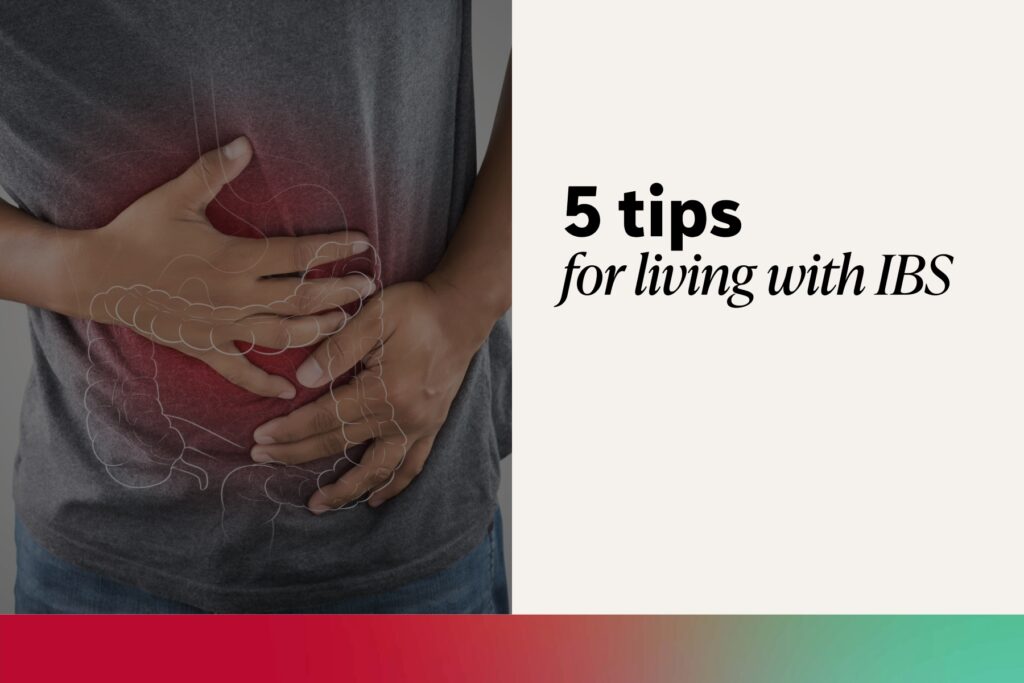
Irritable bowel syndrome (IBS) is a common, long-term (chronic) disorder that affects how the bowel works, causing symptoms like abdominal pain, bloating, constipation, and/or diarrhea. It is different from inflammatory bowel disease (IBD), which includes Crohn’s disease and ulcerative colitis. Unlike IBD, IBS does not cause visible inflammation, damage to the intestines, or increase your risk of colon cancer. Screening and diagnosis for IBS focus on symptoms, physical exam, and ruling out other conditions with tests such as blood work, stool studies, and sometimes colonoscopy. Common treatment options for IBS include diet and lifestyle changes, stress management, and medications to relieve pain, constipation, or diarrhea.
Below are five practical tips—framed around causes, signs, and prevention strategies—to help you live better with IBS.
1. Understand your triggers
IBS arises from a combination of gut hypersensitivity, altered motility, microbial imbalances, and the brain–gut connection. Within that framework, individual triggers vary widely. Many people track patterns in abdominal pain, bloating, or bowel habit changes after certain foods, stressful events, or sleep disruptions. Keeping a symptom journal helps identify potential culprits and guides personalized management plans with your clinician.
2. Adjust your diet thoughtfully
Diet doesn’t cause IBS, but it can intensify symptoms. High-fat meals, caffeine, alcohol, carbonation, artificial sweeteners, and very large portions often aggravate discomfort. Some patients benefit from a low FODMAP diet under supervision, gradually reintroducing foods to pinpoint sensitivities. Others focus on smaller, frequent meals, soluble fiber for constipation, or careful hydration to offset diarrhea.
3. Manage stress and the brain–gut connection
Emotional stress is powerfully linked to IBS flares. Notice whether deadlines, travel, or family pressures coincide with worsening symptoms, as those patterns suggest that stress management could ease your gut as well as your mind. Regular exercise, relaxation techniques, mindfulness practices, and gut-directed psychotherapies—such as cognitive behavioral therapy—can address the brain–gut axis and reduce symptom frequency.
4. Use Medications and Supplements Wisely
Medications should match your dominant symptoms. Antispasmodics can calm cramping; anti-diarrheal agents or prescription options help diarrhea-predominant IBS; osmotic laxatives or newer prescription agents may support constipation-predominant IBS. Low-dose antidepressants sometimes act on visceral pain pathways. Discuss probiotics, fiber supplements, or other over-the-counter remedies with your provider so your regimen targets the right mechanisms without causing new issues.
5. Know When to Seek Further Evaluation
IBS doesn’t typically progress to serious disease, but certain warning signs warrant prompt medical attention. Weight loss, gastrointestinal bleeding, fever, anemia, or a strong family history of colorectal cancer, IBD, or celiac disease may indicate a different diagnosis. Adhering to age-appropriate colon cancer screening and communicating new or worsening symptoms ensures timely care and keeps IBS management evidence-based.
Partner with our colorectal experts
If you are living with IBS symptoms or are unsure whether your symptoms are due to IBS or another condition, the Section of Colon and Rectal Surgery is here to help. Our collaborative team includes colorectal surgeons, gastroenterologists, dietitians, pelvic floor specialists, and other experts who work together to provide comprehensive, individualized care—from diagnosis and screening to ongoing symptom management and surgical consultation when needed.
To schedule an appointment or learn more about how we can support you in living well with IBS, please contact the Section of Colorectal Surgery at: 314-454-7177.
Early, coordinated care can make a meaningful difference in your daily comfort, long-term health, and quality of life.