WashU Medicine transplant and cancer specialists transform outlook for some patients with limited treatment options.
Liver transplants offer new hope for late-stage colorectal cancer (Links to an external site)
WashU Medicine transplant and cancer specialists transform outlook for some patients with limited treatment options.

Five practical tips to help you live better with IBS.

It is important to distinguish between irritable bowel syndrome (IBS) and inflammatory bowel disease (IBD), which are different gastrointestinal conditions.
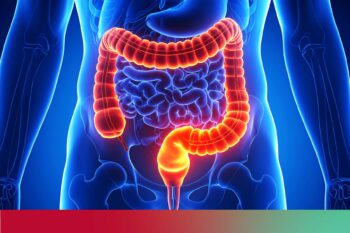
Paul Wise, MD, answers frequently asked questions about colorectal cancer.
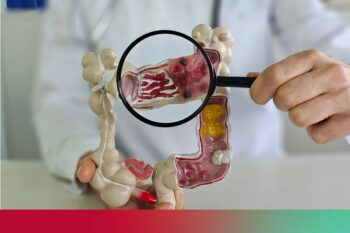
Take a closer look at colorectal cancer, its signs, symptoms, and risk factors.

Five steps to help prevent colorectal cancer.

Cancer is one of the leading causes of death worldwide, but there are steps you can take to prevent it or reduce your risk.

Screening tests can help detect cancer early, when it’s most treatable. Learn more about current guidelines.

A colonoscopy is one of the most effective tools we have for detecting and preventing colorectal cancer.

Understanding signs of colorectal cancer can help with early detection and treatment.

Colorectal surgery specialist joins faculty September 1.

Vascular, colorectal surgeons named leading doctors by Newsweek and Statista.

As young-onset colorectal cancer diagnoses rise, we are innovating care, thanks to donors through the Foundation.

WashU Medicine physician to bring expertise in colon and rectal surgery to new location.

Ostomy surgery can be life altering – but for many patients, it can uncover a newfound sense of freedom and a new outlook on life.
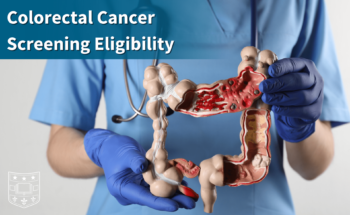
Learn more about the up-to-date screening guidelines and tests for eligible patients at risk of colorectal cancer.

Although these pelvic floor disorders become more common as women age, they do not have to be a normal part of aging.
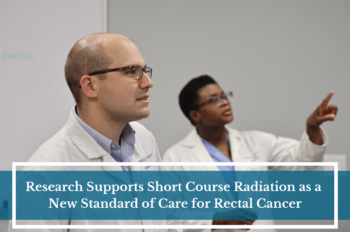
Research conducted by investigators at Washington University School of Medicine has demonstrated the improvement of rectal cancer treatment through short course radiation therapy. This regimen may represent a new standard for treatment in eliminating localized rectal cancer.
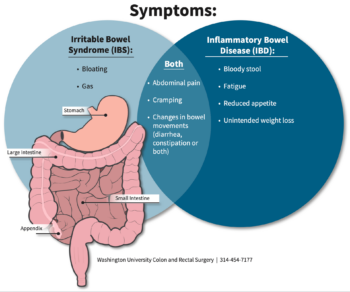
Inflammatory bowel disease and irritable bowel syndrome are two different gastrointestinal conditions. Learn more about each, and how Washington University Colon & Rectal Surgery provides team-based care for inflammatory bowel disease.
Learn about the benefits of HIPEC surgery for people in St. Louis with abdominal cancer.
Colorectal cancer is a type of cancer that develops in the lower intestine, either the colon or rectum, and causes symptoms such as bowel movement changes, pain and weight loss as it progresses. It is a common cancer that is often detected through regular screening and requires physician diagnosis from specific tests. Colorectal cancer is preventable, treatable and curable through surgical and radiation treatments. Washington University School of Medicine and Siteman Cancer Center provide patients with screening, diagnoses and treatment options.

Diverticulitis is the inflammation or infection of diverticula, small pouches commonly occurring in the colon. The presence of diverticula is known as diverticulosis. If one or several diverticula become inflamed or infected, diverticulitis develops. Diverticulitis causes abdominal pain, fever, nausea and a changes in bowel habits. Mild diverticulitis can be treated with rest, changes in diet and use of antibiotics, but severe or persistent attacks of diverticulitis requires surgery.

Hirschsprung disease is a congenital condition that causes issues with the digestive system. The bowel or colon is not able to contract due to a cell deficiency, leading to constipation and other digestive problems. Treatment for this condition includes surgery to repair the colon.

Colorectal screening, diagnosis and treatment are integral parts of overall health, but obstacles related to patient comfort can prevent effective medical intervention for colorectal illness. Having a diverse, accessible department of colorectal surgeons reassures patients and advances the optimal benefits for their colorectal health.
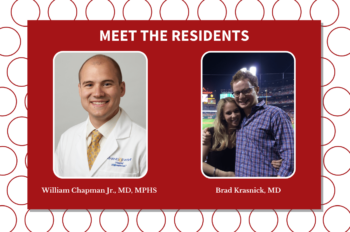
Get to know residents William Chapman and Brad Krasnick in the General Surgery residency program, why they chose Washington University School of Medicine for their surgical training and what it’s like to be a resident in St. Louis.

Congratulations to the Department of Surgery faculty recognized on the 2021 Castle Connolly Top Doctors® list.
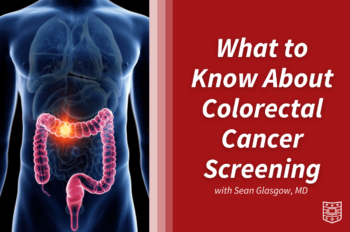
Sean Glasgow, MD, explains the the U.S. Preventive Services Task Force’s new recommendations on when to get screened for colorectal cancer.
The Department of Surgery 2020 Annual Report features clinical, research and educational accomplishments from the Section of Colon and Rectal Surgery.
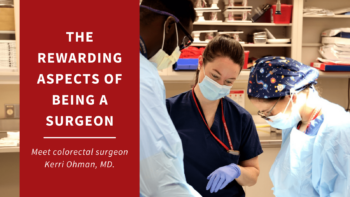
Kerri Ohman, MD, who joined the Section of Colon and Rectal Surgery in 2020 as an Assistant Professor of Surgery, shares her journey of becoming a colorectal surgeon and explains why she likes working at Washington University .
Washington University Colon and Rectal provides the highest level of care for patients with colorectal cancer.