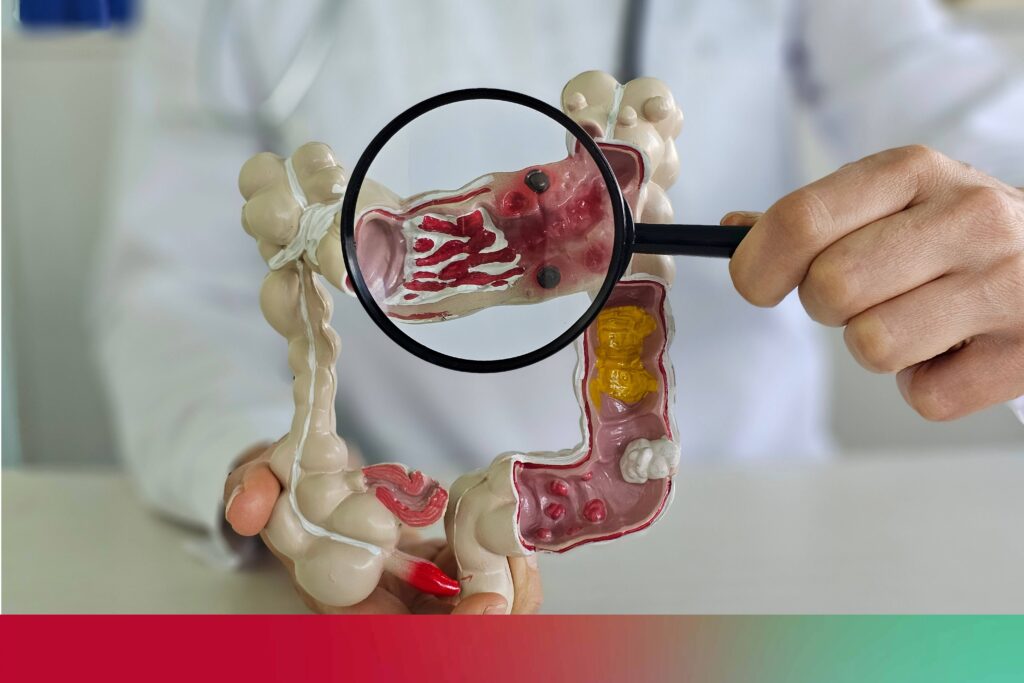
Colorectal cancer, which affects the colon and rectum, is a significant health concern that ranks among the leading causes of cancer-related deaths worldwide. Early detection and awareness of the signs, symptoms, and risk factors are crucial for effective prevention and treatment. This blog post aims to provide a comprehensive overview of what colorectal cancer is, its signs and symptoms, and the risk factors associated with this type of cancer.
What is colorectal cancer?
Colorectal cancer begins in the colon or rectum. Together, the colon and rectum form the large intestine, a crucial part of the digestive system.
Colorectal cancer typically starts as a benign growth (called a polyp) on the inner lining of the colon or rectum. Over time, some of these polyps can develop into cancer if not removed during routine screenings. According to the American Cancer Society, colorectal cancer is the third most common cancer diagnosed in both men and women in the United States.
There are several types of colorectal cancer, with adenocarcinomas being the most common. These cancers start in the mucus-producing glands lining the colon and rectum. While many cases of colorectal cancer are associated with polyps, some can also develop without these precursors. Understanding the nature and development of colorectal cancer empowers individuals to recognize its importance and seek timely medical intervention.
Signs and symptoms
Recognizing the signs and symptoms of colorectal cancer can lead to early diagnosis and more effective treatment.
Common symptoms include changes in bowel habits, such as diarrhea or constipation, that persist for more than a few days. Blood in the stool, which may make the stool appear dark or cause visible bleeding, is another significant warning sign. Additionally, unexplained abdominal pain or discomfort, such as cramps or gas, should not be ignored.
Other symptoms of colorectal cancer can include unexplained weight loss, persistent weakness or fatigue, and a feeling that the bowel does not empty completely. It’s important to remember that these symptoms can be caused by conditions other than colorectal cancer. However, if you experience any of these signs, it is crucial to consult with a health care provider to rule out cancer or other serious conditions.
Risk factors
Several risk factors contribute to the likelihood of developing colorectal cancer.
Age is a significant factor; most cases are diagnosed in individuals over the age of 50. Recently, more cases of colorectal cancer have been diagnosed in people under 50, meaning it’s important to know your risk and make appropriate screening decisions.
A personal or family history of colorectal cancer or polyps also increases the risk. Genetic conditions, such as Lynch syndrome or familial adenomatous polyposis (FAP), heighten the likelihood of developing colorectal cancer at a younger age.
Lifestyle factors play a crucial role as well. Diets high in red and processed meats, low physical activity, obesity, and smoking are all associated with an increased risk of colorectal cancer. Additionally, heavy alcohol consumption is linked to a higher incidence of this disease. Managing these lifestyle factors through a balanced diet, regular physical activity, and avoiding smoking and excessive alcohol consumption can help reduce the risk.
Medical conditions like inflammatory bowel disease (IBD), including Crohn’s disease and ulcerative colitis, also elevate the risk of colorectal cancer. Individuals with type 2 diabetes are at a higher risk as well. Understanding these risk factors can encourage proactive measures and regular screenings to detect any abnormalities early.
Key takeaways
Colorectal cancer is a serious condition with significant health implications, but early detection through awareness of its signs, symptoms, and risk factors can lead to effective treatment and improved outcomes. Regular screenings, such as colonoscopies, are vital in detecting precancerous polyps and early stages of colorectal cancer.
If you have concerns about colorectal cancer, consult with a healthcare provider and consider discussing the following questions:
- Am I at risk for colorectal cancer based on my personal or family medical history?
- What are the recommended screening guidelines for someone of my age and risk level?
- How can I modify my lifestyle to reduce the risk of colorectal cancer?
- What symptoms should I be vigilant about, and when should I seek medical advice?
- Are there any genetic tests available to assess my risk for hereditary colorectal cancer?
Taking proactive steps towards understanding and managing your risk can help maintain your overall health and potentially prevent colorectal cancer. Stay informed and prioritize regular check-ups to ensure early detection and effective treatment.
Learn more about preventing colorectal cancer>>