Abdominal transplant fellows at WashU Medicine benefit from well-rounded training in transplantation and HPB surgery in a high-volume program.
Our fellows gain experience with laparoscopic and robotic surgical approaches and have the opportunity to tailor their training experience to their interests.
Contact
Jessilyn Evans
Fellowship coordinator
[email protected]
314-362-8028
Program overview
The abdominal transplant surgery fellowship at WashU Medicine is a two-year program dually accredited by the American Society of Transplant Surgery (ASTS) in liver, kidney and pancreas transplant, and by the Americas Hepato-Pancreato-Biliary Association (AHPBA) in HPB surgery. Fellows also receive certification for robotic surgery.
The program trains three fellows at a time, with a kidney and liver transplant fellow matriculating each year and a kidney only fellow matriculating every other year.
Established in 1992, the program is tailored to suit the interests of each trainee. Our program offers:
- High clinical volume well above the ASTS requirement for minimum cases in liver, kidney and pancreas transplantation and living kidney donors
- Significant experience with robotic surgery, including an average of 100 robotic cases per fellow
- Ample opportunities for research and mentoring residents and medical students
- Junior faculty role as instructor in surgery during fellowship, as well as early graded autonomy
Learn more about the Division of Transplant Surgery>>
Program director
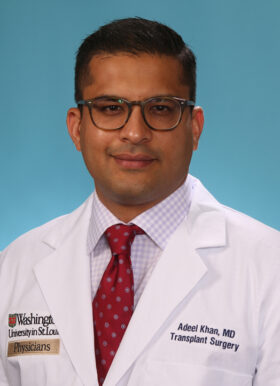
Adeel S. Khan, MD, MPH, FACS
Professor of Surgery
Division of Transplant Surgery
Section of Surgical Technology and Bioengineering
Division of Surgical Sciences
Director, Transplant
Director, Robotic Transplantation
- Phone: 314-747-9889
How to apply
Abdominal transplant fellowship applicants must complete an application through SF Match.
Message from the chief
Choosing a fellowship program is an important decision in medical training. Our program has a legacy of excellence in surgical training, and we’re on the cutting edge of robotic transplant and HPB surgery.
Click below to read a message from William Chapman, MD, chief of transplant surgery at WashU Medicine, about our fellowship program.
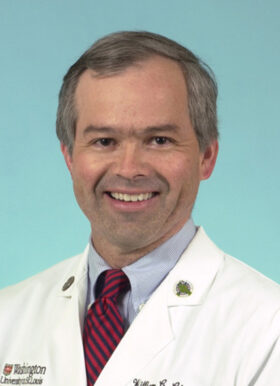
William C. Chapman, MD
Director, Division of Transplant Surgery
Eugene M. Bricker Professor of Surgery
Surgical Director, Barnes-Jewish Transplant Center
- Phone: 314-362-7792
Surgical Director, Barnes-Jewish Hospital Transplant Center at WashU Medicine
We are extremely pleased by your interest in the abdominal organ transplant fellowship program at Washington University School of Medicine and its affiliated hospitals — Barnes-Jewish Hospital and St. Louis Children’s Hospital.
The choice of a fellowship program is one of the most critical decisions a physician will make during their medical career. Our training program provides an intense, rewarding and exhilarating experience that dramatically shapes the development of our fellows as transplant surgeons.
Under the auspices of the Department of Surgery, our program provides fellows with a broad experience in the latest clinical transplant techniques and immunosuppression strategies, with a rigorous grounding in investigative medicine.
We prepare fellows for careers as practicing transplant surgeons responsible for the care of patients with advanced organ failure. As a part of one of the nation’s leading academic medical centers, the program also produces physicians highly qualified to pursue careers in academic medicine.
The combination of a vigorous medical school and busy, modern hospitals offers the trainee the best environment in which to fulfill his or her potential, with open access to substantial clinical and scientific resources. Washington University also is well known for, and promotes, the sharing of information among disciplines.
This is an exciting time in the field of transplantation, and we are committed to providing outstanding fellowship training opportunities at the leading edge of transplantation.
We look forward to your application.
Clinical experience
Typically, the first 12 to 18 months of fellowship are dedicated to clinical responsibilities.
Fellows gain exposure to all aspects of abdominal transplant surgery, including inpatient and outpatient management of kidney and liver transplant services, cadaveric multi-organ donor operations, living donor nephrectomies, living donor hepatectomies, kidney transplants, liver transplants, and small bowel transplants.
Fellows also receive experience in:
- Islet cell transplantation
- Solid pancreas transplantation
- Vascular access procedures
- Non-transplant HPB cases
- Pre- and post-transplant care for liver and kidney transplant patients, including participation in clinics and performing biopsies
Fellows regularly participate in significant more cases than the minimums required by the ASTS. In recent years, each fellows have performed over 100 liver transplants, about 100 kidney transplants, and 30+ living donor nephrectomies.
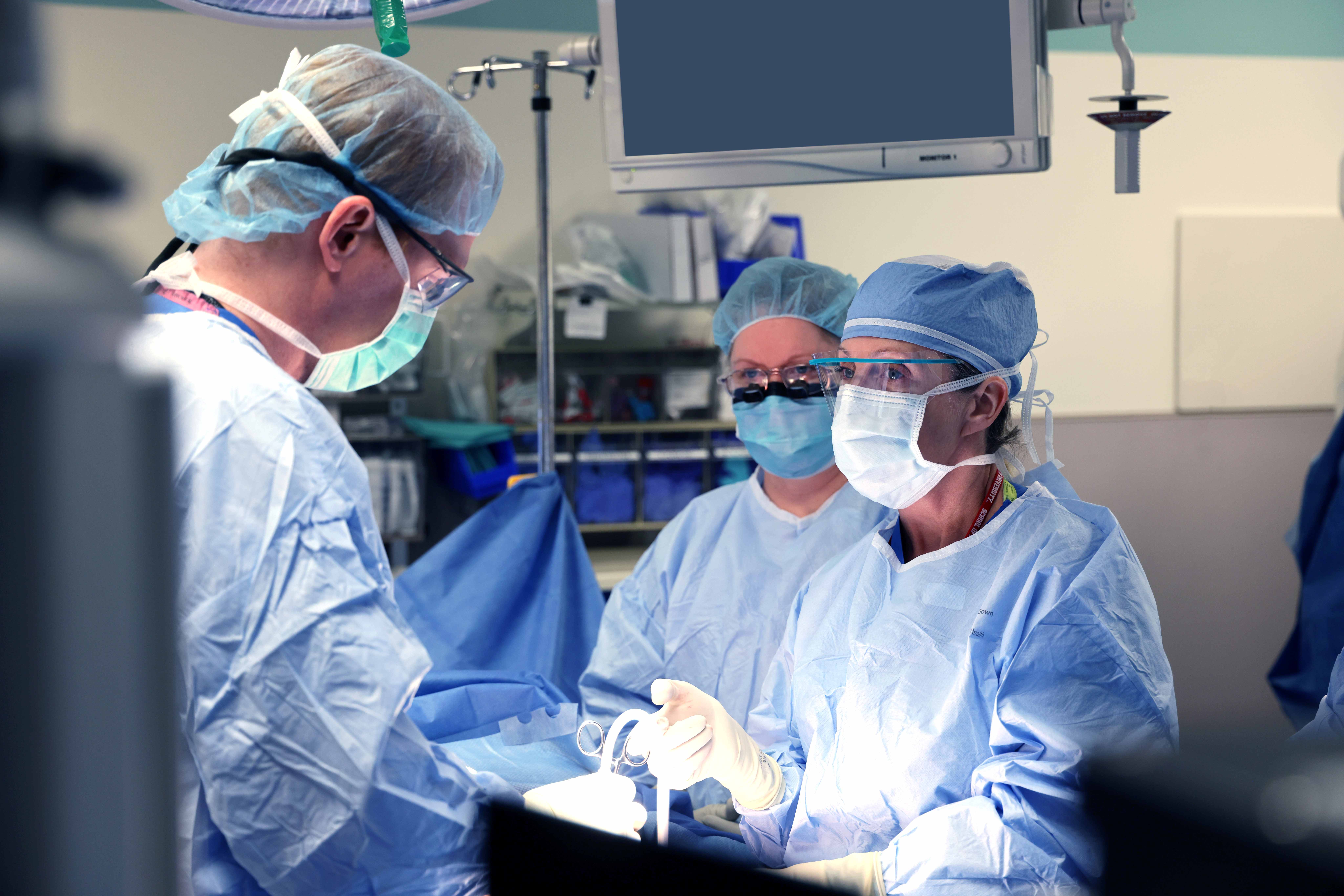
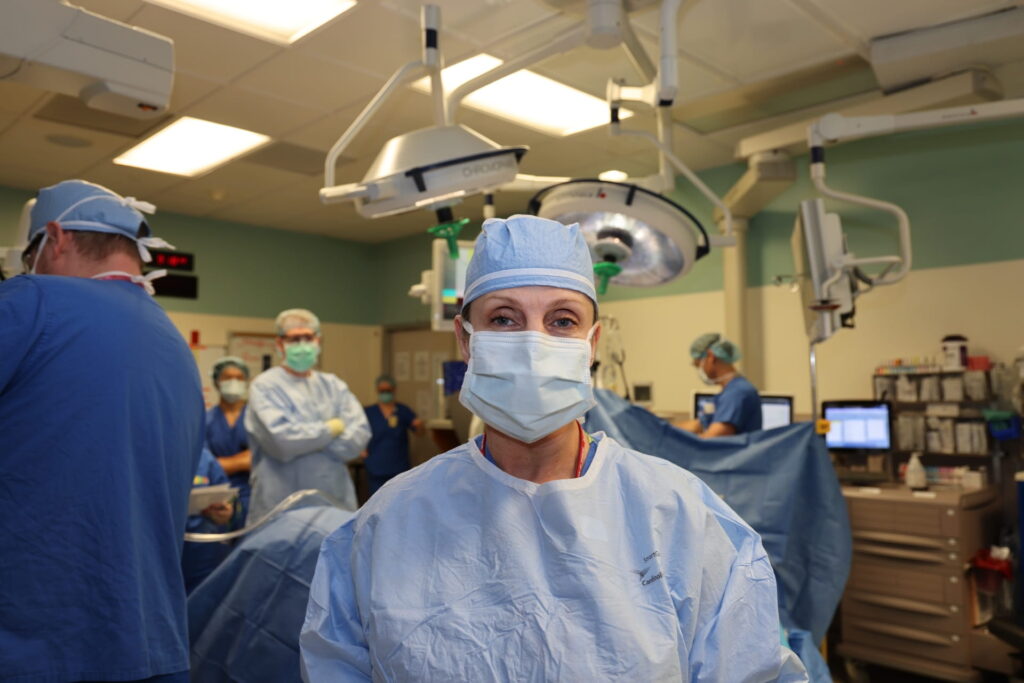
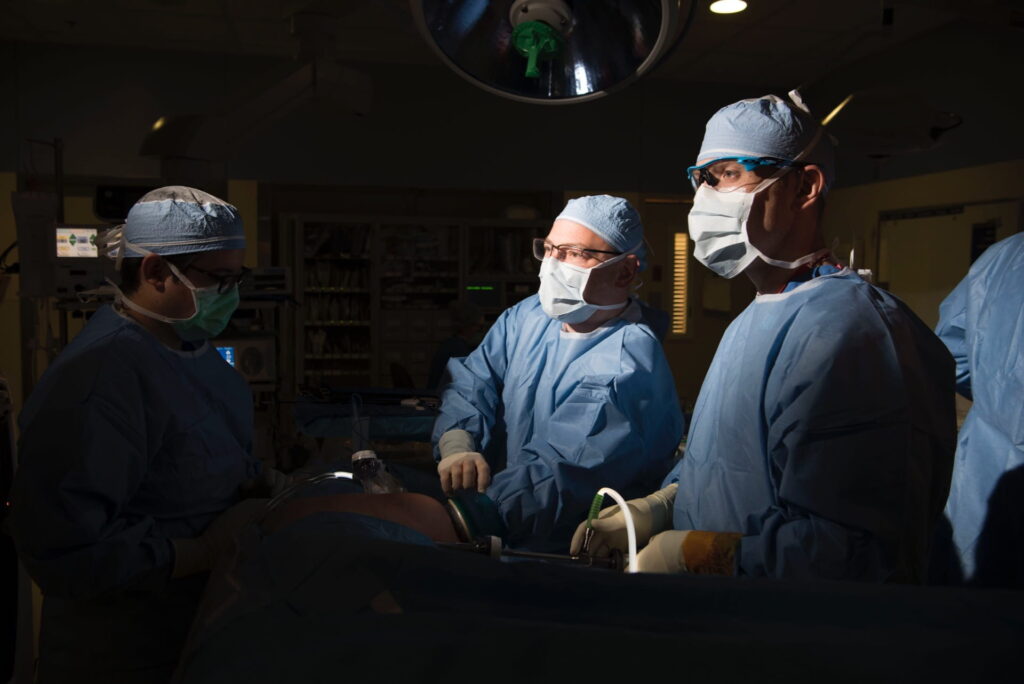
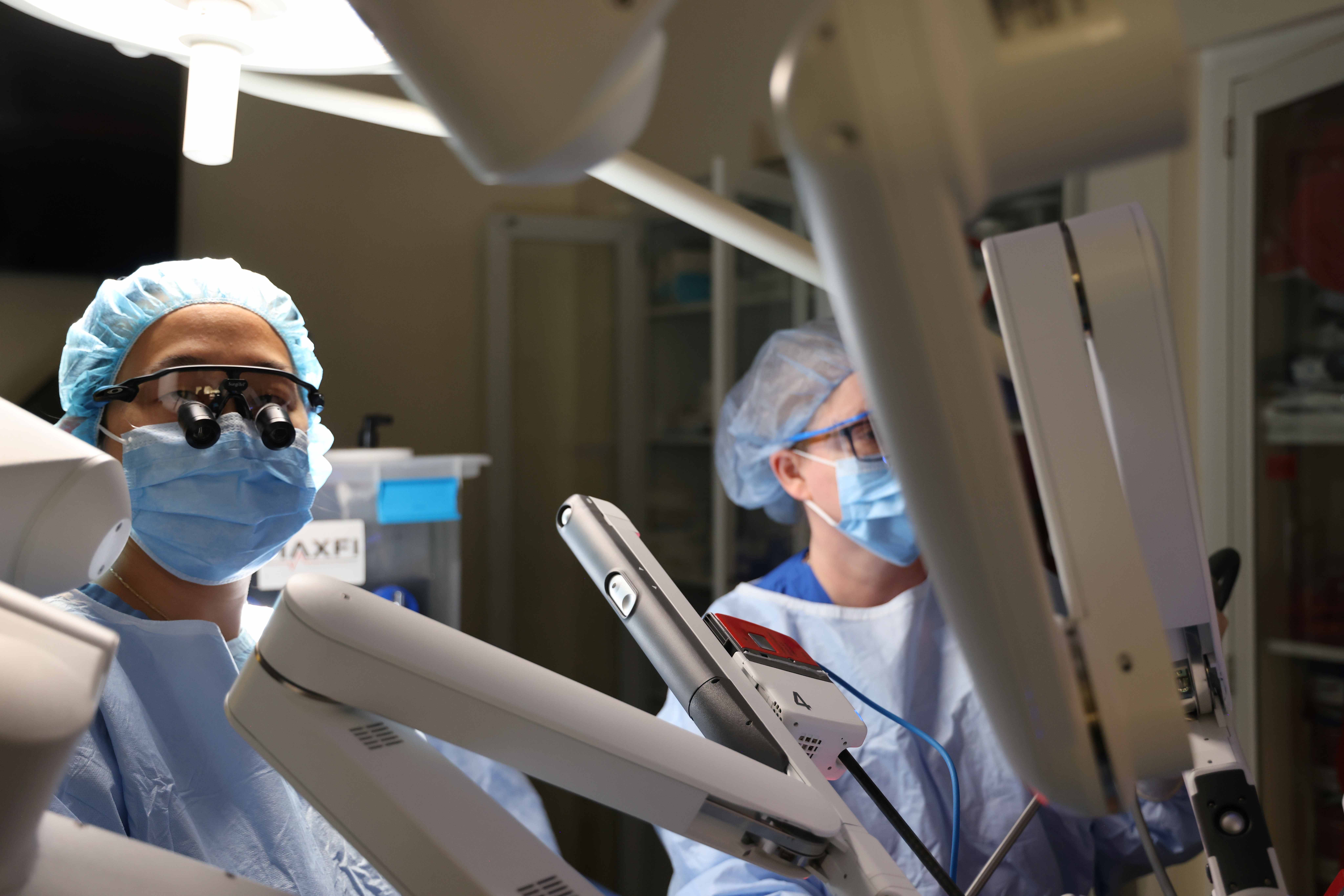
While there are currently no requirements for robotic cases during fellowship, our fellows perform a high volume of robotic cases. On average, recent fellows have each performed 100 robotic cases during their training. We believe that robotics will play an increasing role in the future of transplant and HPB surgery. Our program is training future transplant surgeons through an established robotic curriculum that aims to maximize robotic training during fellowship.
Fellows rotate through four-week blocks on liver/HPB services, kidney/donor services, and flex/pediatric services, gaining experience with all aspects of transplantation.

Facilities
Fellowship training occurs primarily at Barnes-Jewish Hospital and St. Louis Children’s Hospital.
Outpatient clinics are housed at the Alvin J. Siteman Cancer Center.
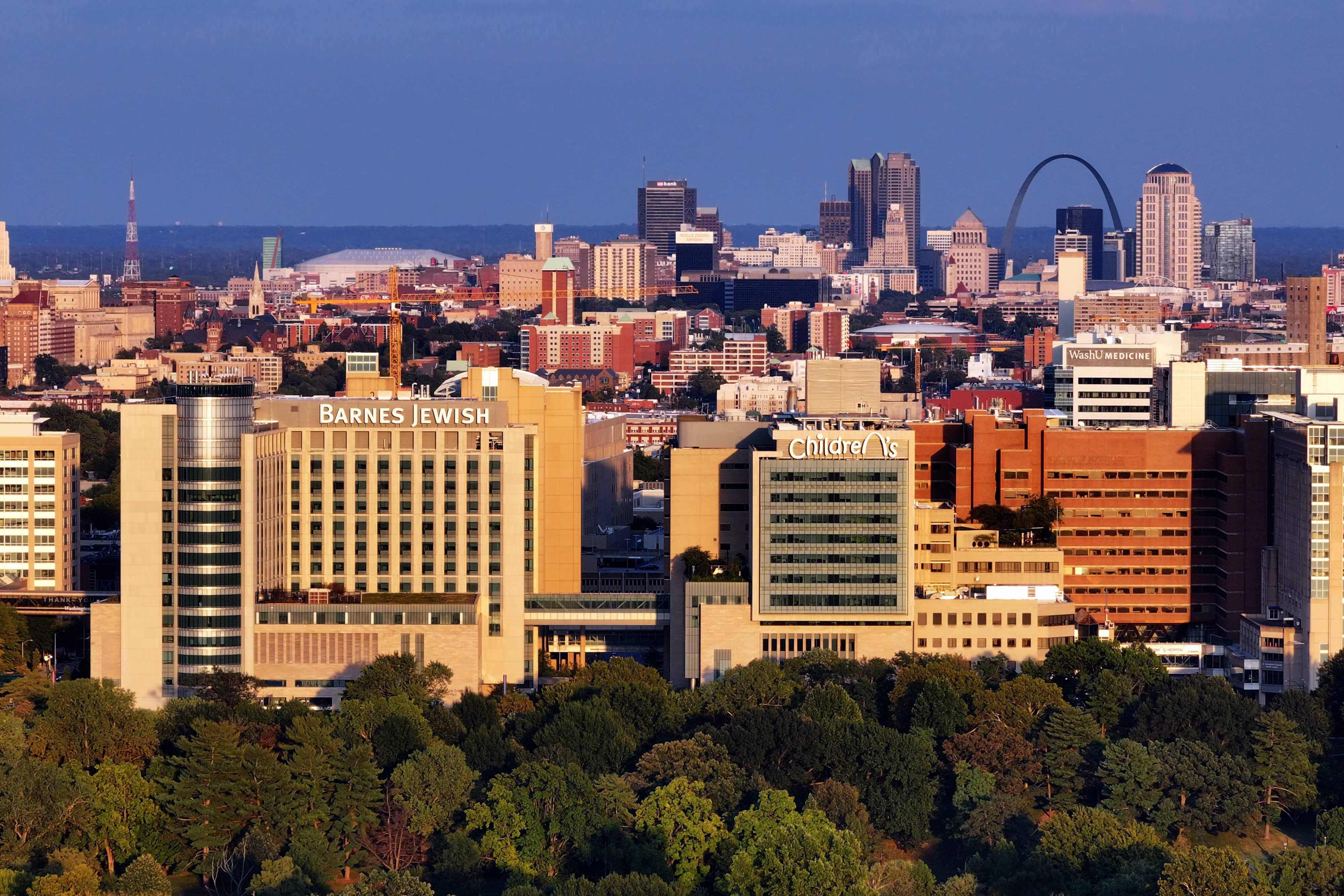
All three locations are located on the campus of WashU Medicine. The buildings are connected and accessible through walkways.
Curriculum
Fellows participate in ASTS curriculum and AHPBA grand rounds, as well as institutional meetings and conferences, as part of their formal training.
Conferences include:
- Kidney transplant conference
- Liver transplant conference
- Immunology seminar
- Immunology lab conference
- Morbidity and mortality conference
Fellows also have access to the Washington University Institute for Surgical Education (WISE) for simulation training in robotic and laparoscopic techniques.
Research & academic opportunities
Research
Fellows typically conduct six to 12 months of research towards the end of the fellowship. Fellows are expected to develop an independent research project and to present their findings at one of the program’s weekly conferences. In addition, fellows are strongly encouraged to present their experimental data at a national meeting and to publish their outcomes in peer-reviewed journals. The goal is for trainees to develop a plan for continued research and prepare to compete for extramural funding as independent investigators, if they wish to pursue opportunities in the field of transplantation research.
Fellows have access to the institutional database of transplant surgery and HPB surgery, as well as opportunities for multi-institutional collaboration and access to a national transplant database for outcomes research.
Fellows with an interest in public health research have the opportunity to collaborate with the WashU School of Public Health for new and ongoing research projects.
In the area of basic science research, fellows have the opportunity to participate in existing projects or develop new ideas in collaboration with transplant faculty.
Teaching
Fellows participate in the training of residents, medical students and visiting sub-interns at WashU Medicine during rounds and clinics and in the OR. Additionally, fellows have the opportunity to give educational talks and conduct various training labs for learners.
Current fellows
Ola Ahmed, MD
Residency: University College Dublin
Jessica Lindemann, MD, PhD
Residency: WashU Medicine
Brendan Lovasik, MD
Residency: Emory University
Medical campus
The Washington University Medical Campus is the core of world-class biomedical research and health care in the St. Louis region and beyond.
Life in St. Louis
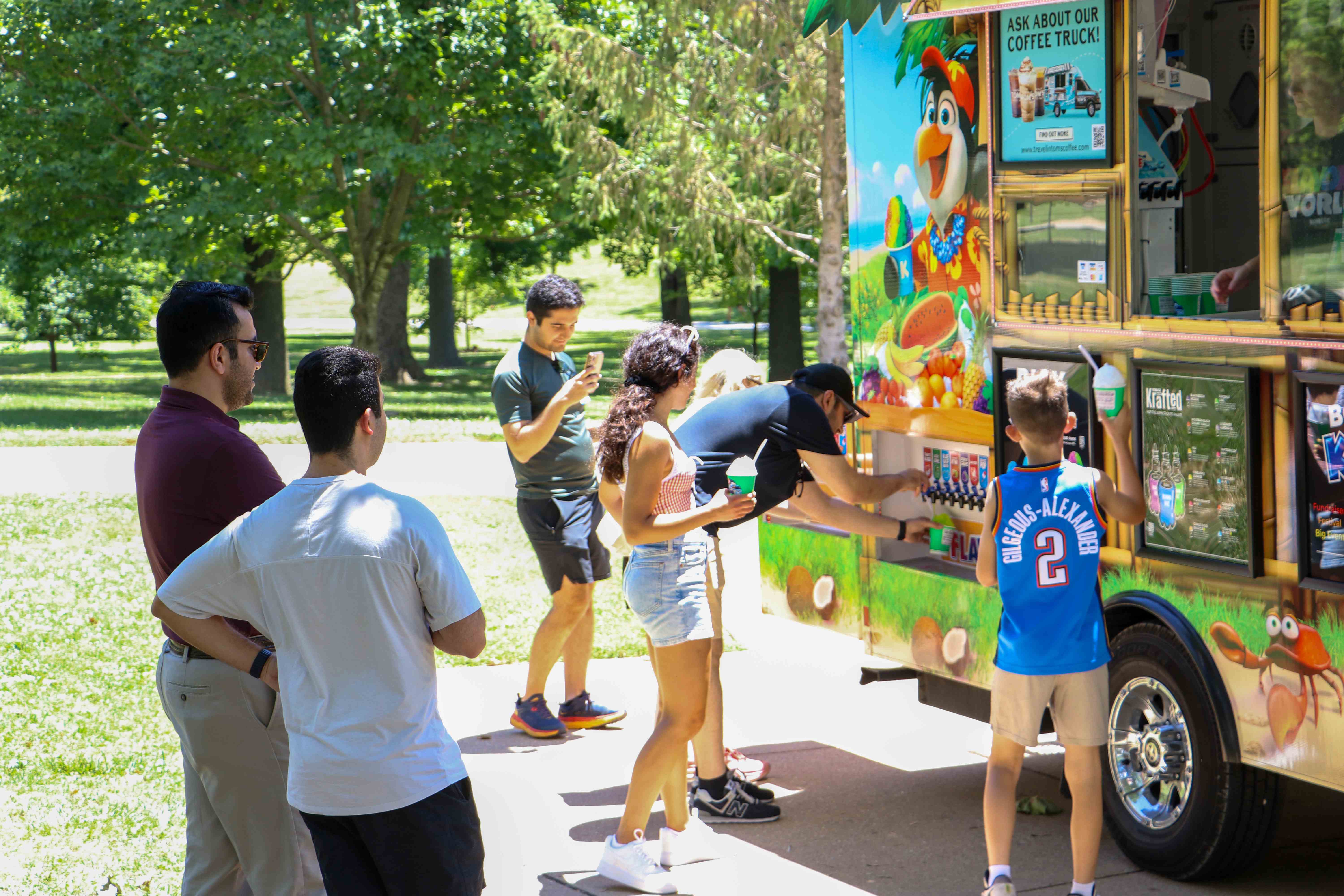
We love St. Louis for the variety of activities, low cost of living, camaraderie of our training programs and so much more!