What causes cystic fibrosis and how is it diagnosed?
Cystic fibrosis: Diagnosis and causes
What causes cystic fibrosis and how is it diagnosed?
Organ donation alleviates the organ shortage and supports medical research.
Today, more than 170 million people in the United States are registered as organ, eye and tissue donors, reflecting a powerful shared commitment to giving others a second chance.
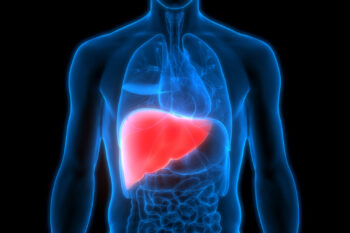
Last year across the country, just 658 out of 10,660 — 6% — of liver transplants came from living donors, federal data shows. But the number of living liver donors has been growing steadily over the past 10 years as the safety of donation improves and the waiting list for transplants grows.
Groundbreaking surgery performed at Barnes-Jewish Hospital in St. Louis
Washington University Lung Transplant Program reaches an impressive milestone at the start of 2023.
Hepatitis can cause damage to the liver and, in some cases, a need for a liver transplant.
Washington University patients benefit from blood donations during surgery and in critical care situations. Learn about the “what, how, and why” of blood donation.
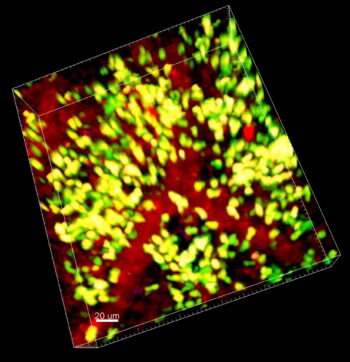
Investigators from the Thoracic Immunology Laboratory have identified pathways leading to ischemia-reperfusion injury after lung transplantation. Their findings are published in the journal PNAS.
There are several sources for biological tissue grafts used for reconstructive, reparative or replacement surgery. Allografts are obtained from tissue donors and transplanted into recipients through the tissue donation process. The decision to donate involves registration as a donor and is an important conversation to have with family. Ongoing surgery and research at Washington University benefits from the donation of tissue grafts or specimens from consented donors.
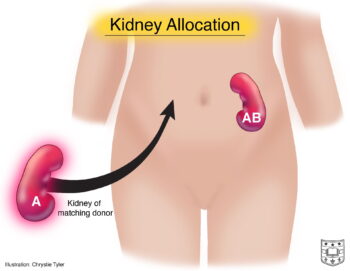
Kidney transplant is a life-saving surgical procedure which requires the matching of a donor kidney to the receiving patient, or recipient. National policy updates change the process of matching kidneys to recipients.
Alec Patterson, MD, was appointed the new Editor-in-Chief of the Journal of Thoracic and Cardiovascular Surgery.
Congratulations to the Department of Surgery faculty recognized on the 2021 Castle Connolly Top Doctors® list.
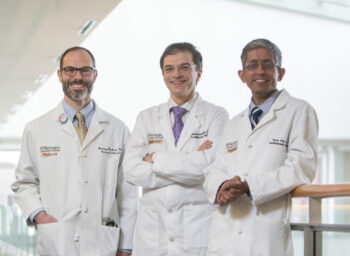
Washington University transplant surgeon Majella Doyle, MD, MBA, answers patient questions about adult liver transplants.
The Department of Surgery 2020 Annual Report features clinical, research and educational accomplishments from the Section of Transplant Surgery.
The Washington University pediatric liver care and transplant team at St. Louis Children’s Hospital shares what makes their pediatric patients superheroes in their eyes.
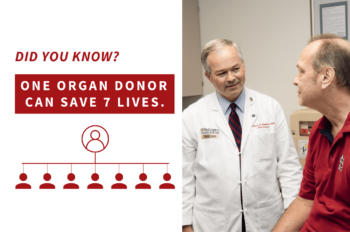
An organ donor can save as many as seven lives. Still, some people have concerns about becoming an organ donor. Transplant surgeon William Chapman, MD, explains the donation process and addresses common concerns people have regarding organ donation.
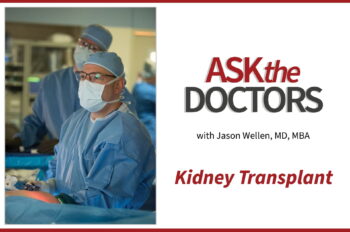
Director of Kidney and Pancreatic Transplantation at the Washington University and Barnes-Jewish Transplant Center Jason Wellen, MD, MBA, answers some of the most frequently asked questions about kidney transplant.
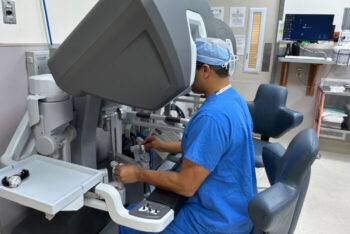
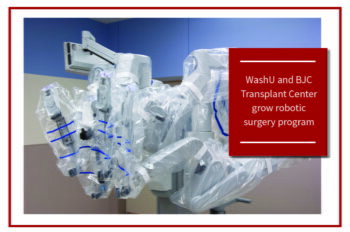
Transplant and hepatobiliary surgeon Adeel Khan discusses the growth of the Robotic Transplant Surgery Program at the School of Medicine, the reasons behind its success and the impact on patient care.