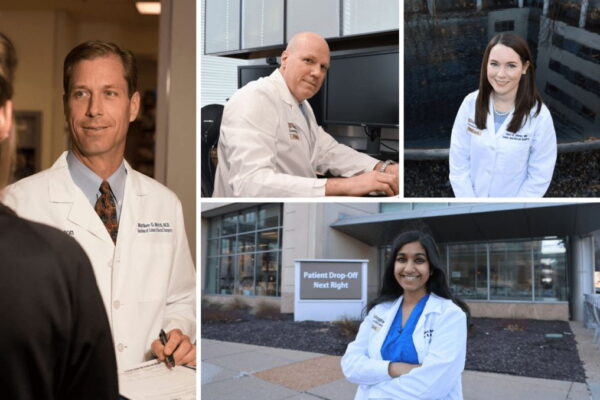
Ask the Doctor: Colorectal Cancer with the Colorectal Team
Colorectal cancer is a type of cancer that develops in the lower intestine, either the colon or rectum, and causes symptoms such as bowel movement changes, pain and weight loss as it progresses. It is a common cancer that is often detected through regular screening and requires physician diagnosis from specific tests. Colorectal cancer is preventable, treatable and curable through surgical and radiation treatments. Washington University School of Medicine and Siteman Cancer Center provide patients with screening, diagnoses and treatment options.
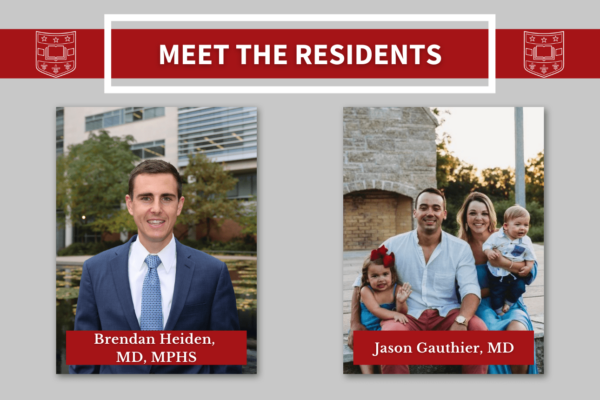
Meet the Residents: Brendan Heiden and Jason Gauthier, Thoracic Surgeons
Get to know residents Brendan Heiden and Jason Gauthier in the General Surgery residency program, why they chose Washington University School of Medicine for their surgical training and what it’s like to be a resident in St. Louis.
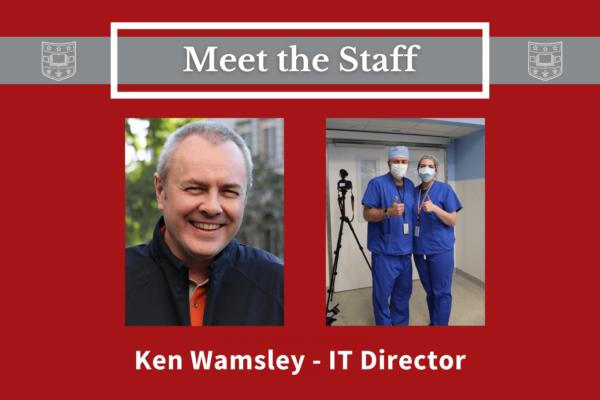
Meet the Staff: Ken Wamsley, IT Director
Staff members at Washington University School of Medicine’s Department of Surgery are essential in supporting the institution’s mission of excellence in clinical outcomes, research and education. Meet IT Director, Ken Wamsley!
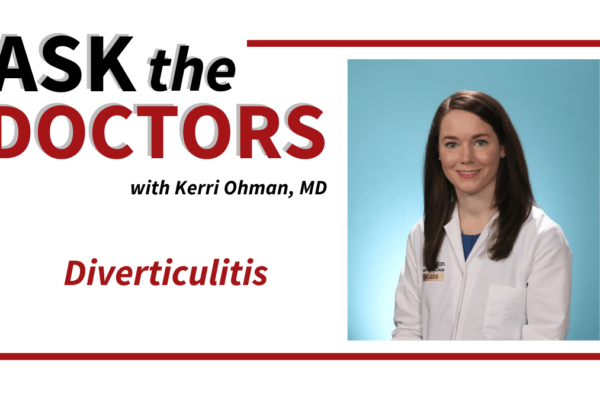
Ask the Doctor: Diverticulitis with Dr. Kerri Ohman
Diverticulitis is the inflammation or infection of diverticula, small pouches commonly occurring in the colon. The presence of diverticula is known as diverticulosis. If one or several diverticula become inflamed or infected, diverticulitis develops. Diverticulitis causes abdominal pain, fever, nausea and a changes in bowel habits. Mild diverticulitis can be treated with rest, changes in diet and use of antibiotics, but severe or persistent attacks of diverticulitis requires surgery.
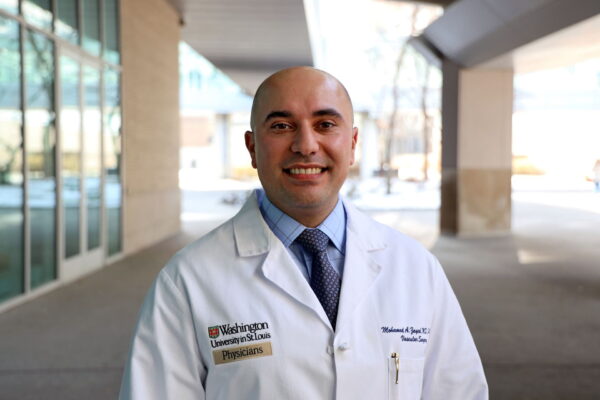
$2 Million Grant to Develop Sequestered Vascular Surgery Technology
Washington University School of Medicine in St. Louis and Caeli Vascular, Inc., are developing the first sequestered therapy device for removal of deep vein thrombosis.
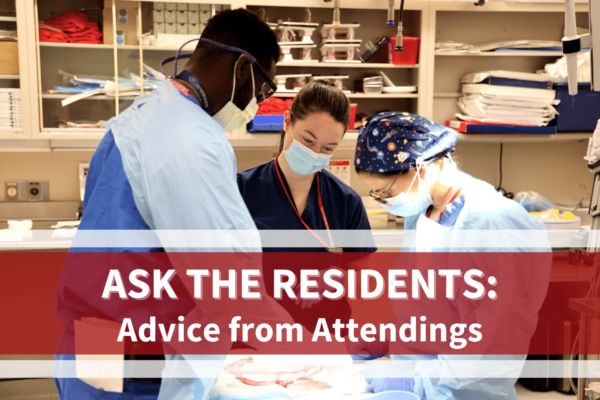
Ask The Residents: Advice from Attendings
he expertise and advice provided by our attending physicians and surgeons are integral to the development of our residents. We asked those in the General Surgery Residency about the best advice they received from attendings during their time at Washington University.
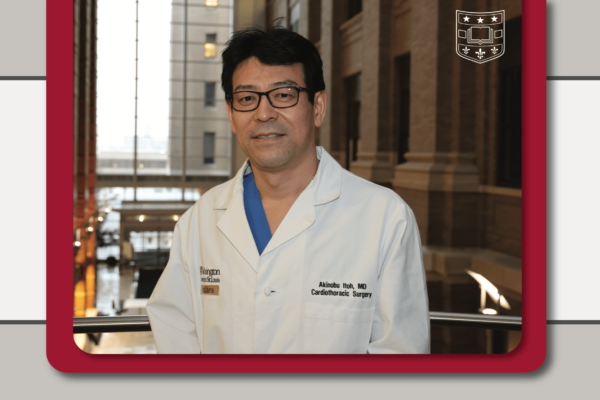
Itoh Transitions, Kotkar and Masood Lead ECMO Program
Assistant Professor of Surgery Akinobu Itoh, MD, PhD, transitions to role as transplant director at Brigham and Women’s Hospital in Boston, MA.
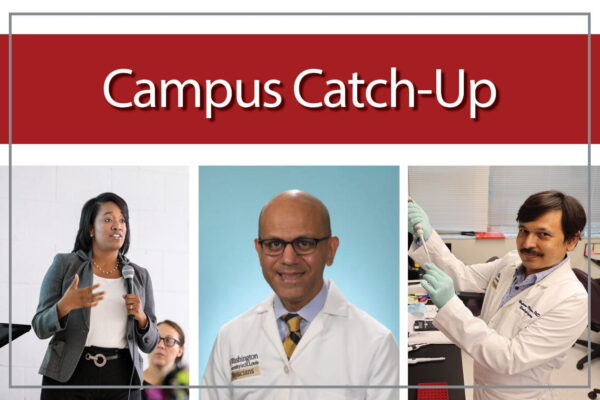
Campus Catch-Up
The Washington University campus community is making headlines every day. Members of the School of Medicine are regularly featured in local, national and international news stories. Department of Surgery faculty, staff and medical students are leaders in their specialties, and share their expertise when called upon. Campus Catch-Up collects some of these stories and celebrates members of the community who are receiving recognition.
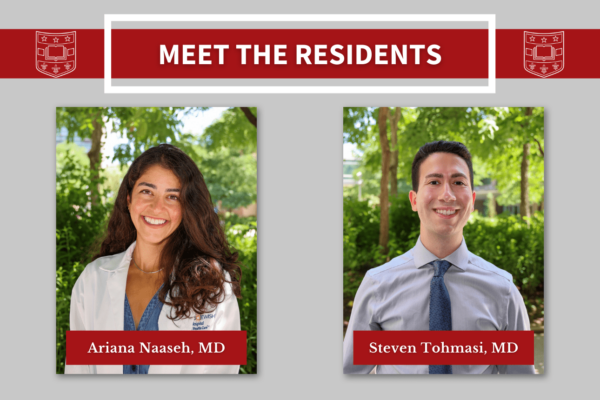
Meet the Residents: Ariana Naaseh and Steven Tohmasi, Partners in Surgery
Get to know residents Ariana Naaseh and Steven Tohmasi in the General Surgery residency program, why they chose Washington University School of Medicine for their surgical training and what it’s like to be a resident in St. Louis.
Meet the Pancreatic Cancer Team
Meet the Pancreatic Cancer Team Washington University hepatobiliary-pancreatic & gastrointestinal (HPB-GI) surgeons, along with the multidisciplinary team of specialists at Siteman Cancer Center, are nationally recognized for their screening, diagnosis and treatment of pancreatic cancer. According to the American Cancer Society, pancreatic cancer is the eighth most common cancer in women and the tenth most […]
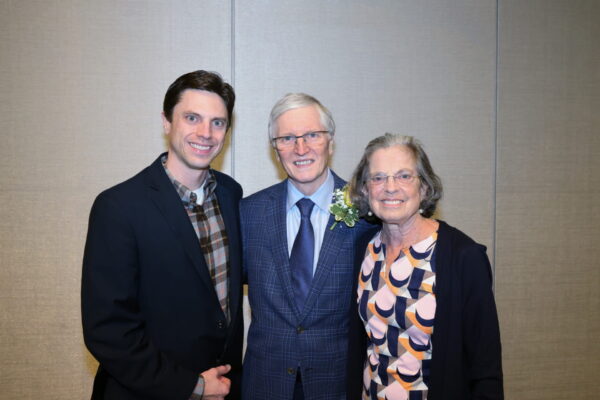
Brunt Receives Lifetime Achievement Award
Chief of Minimally Invasive Surgery Michael Brunt, MD, received the Lifetime Achievement Award from the Barnes-Jewish Medical Staff Association.

What to know about Hirschsprung disease
Hirschsprung disease is a congenital condition that causes issues with the digestive system. The bowel or colon is not able to contract due to a cell deficiency, leading to constipation and other digestive problems. Treatment for this condition includes surgery to repair the colon.