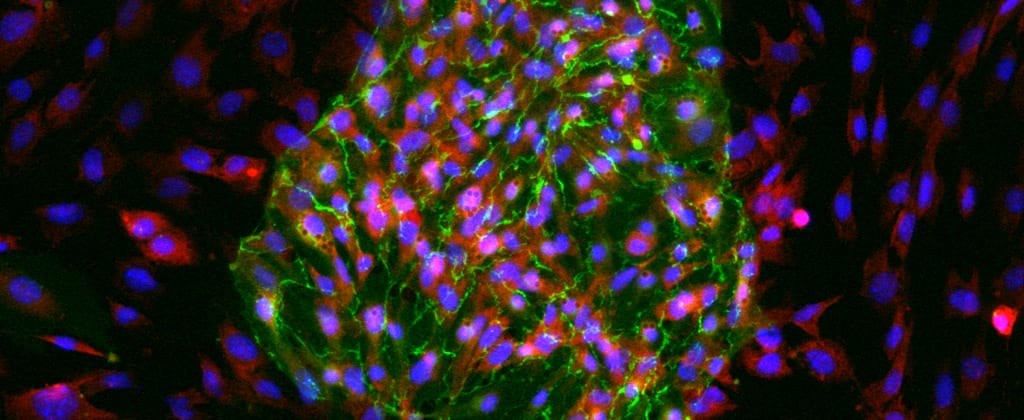
The Zayed Lab studies the mechanisms that influence arterial collateral formation and peripheral arterial atheroprogression in the setting of diabetes.
The lab is interested in better understanding why diabetic patients have a significantly higher incidence of developing peripheral arterial disease (PAD) and are at increased risk of malperfusion at healing surgical sites. The lab hypothesizes that arterial phospholipid tissue expression and processing play a central role in this process. The team of scientists explores this using a complement of biochemical assays, in vivo animal models, and biobank of vascular tissue specimens. The vascular clinical team translates its findings from bench-to-bedside through ongoing clinical research trials. Ultimately, the aim is to develop effective new therapeutic modalities for the treatment of diabetic patients with progressive PAD.
The lab is led by Mohamed Zayed, MD, PhD, a professor of surgery, radiology, molecular cell biology, and biomedical engineering. Dr. Zayed also serves as director of the Division of Surgical Sciences and the Cardivascular Research in Surgery and Engineering Center.
Principal investigator
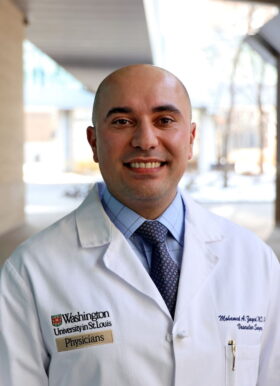
Mohamed A. Zayed, MD, PhD, MBA
Director, Division of Surgical Sciences
Professor of Surgery, Radiology, Molecular Cell Biology and Biomedical Engineering
Division of Vascular Surgery
Director, Vascular Surgery Research
Director, CVISE Center
- Phone: 314-273-7373
Contact
Zayed Lab
660 S. Euclid Avenue
Campus Box 8109
St. Louis, MO 63110
Current research
My laboratory focuses on molecular, biochemical, and hemodynamic processes that impact the progression of different forms of PAD in the setting of diabetes. My lab was the first to demonstrate that phospholipogenesis is significantly altered in the peripheral arterial tissue of patients with diabetes. We were also the first to make a rodent model for hindlimb ischemia and amputation, to explore potential therapies that can improve perfusion and healing in the setting of chronic ischemia and diabetes. Using this model, we demonstrated that administration of thiol medications can improve tissue perfusion and healing in the setting of diabetes (see N-Acetylcysteine accelerates amputation stump healing in the setting of diabetes). In another study, we also shed light on some of the molecular processes that lead to atherosclerotic plaque progression in the setting of diabetes (see Diabetes adversely affects phospholipid profiles in human carotid artery endarterectomy plaques). Our ongoing projects now include investigator-led clinical trials, as well as bench-top studies evaluating the molecular and biochemical consequences of altered lipogenesis in the peripheral arterial tissue. We utilize murine genetic models, high-fidelity biochemical assays, and state-of-the-art molecular techniques to help identify potential drug targets that can ultimately impact the clinical progression of PAD.
NIH R01HL153262
Through a multidisciplinary collaboration with the WashU Medicine Mallinckrodt Institute of Radiology, we are translating recent findings in molecular signaling of atherosclerosis. We are performing first-in-human clinical trials to evaluate the utility of a novel PET radiotracer in detecting vulnerable atherosclerotic plaques in individuals with clinically significant carotid artery stenosis and PAD. Since atherosclerosis in these arterial beds is a major source of morbidity and mortality, we believe that developing this novel diagnostic technique will help further our ability to better detect which patients would benefit most from surgical intervention. Additionally, since the radiotracer targets an important macrophage mediated inflammation pathway, our studies will help inform future immune-modulating studies that aim to reduce the risk of atheroprogression, stroke, and PAD.
NIH R01HL150891
Through another multidisciplinary collaboration with the WashU Medicine Mallinckrodt Institute of Radiology we are evaluating a novel theranostic strategy to both diagnosing and treating abdominal aortic aneurysms that are prone to rupture. The goal of this project is to assess whether CCR2+ inflammatory processes associated with AAA development and exploit these processes as therapeutic targets in rodent AAA models, while exploring targeted CCR2 PET imaging in patients with AAA.
NIH RO1HL1534360
Our team
Mohamed A. Zayed, MD, PhD, MBA
Director, Division of Surgical Sciences
Professor of Surgery, Radiology, Molecular Cell Biology and Biomedical Engineering
Division of Vascular Surgery
Director, Vascular Surgery Research
Director, CVISE Center
- Phone: 314-273-7373
Administrative staff
Theresa Belgeri
Administrative Assistant
[email protected]
Research staff
Batool Arif
Research Lab Supervisor
Larisa Belaygorod
Research Assistant
Mohamed Zaghloul
Staff Scientist
Santiago Elizondo Benedetto
Postdoctoral Research Associate
Dina Ibrahim
Postdoctoral Research Associate
John Cashin
Senior Research Technician
Tariq Khan
Postdoctoral Research Associate