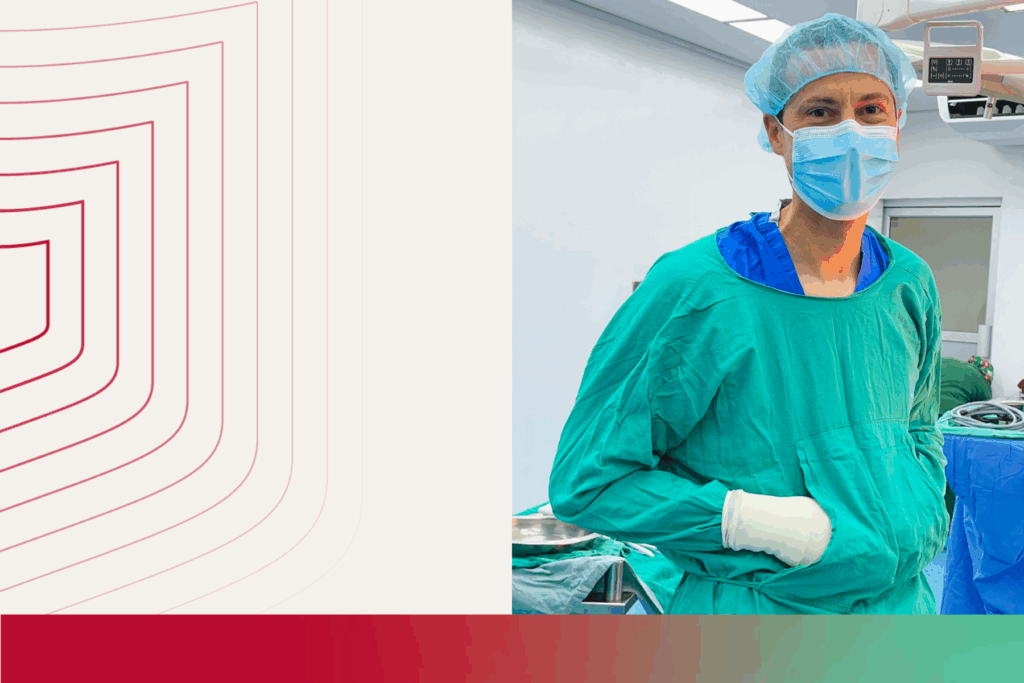
Department of Surgery faculty at WashU Medicine carry forward the tripartite mission of advancing academic surgery in clinical service, conducting novel research, and educating the coming generations of surgeons. For some surgeons in the Department of Surgery, this commitment takes them abroad to provide essential surgical services to underserved populations, such as those in countries in Central and South America.
In 2025, Jeffrey Blatnik, MD, the chief of the Section of Minimally Invasive Surgery joined the St. Louis-based non-profit organization, Surgical Outreach for the Americas (SOfA) to provide life-saving care in San Salvador, El Salvador. Similar to Blatnik, Matthew McHale, DO, a surgeon-educator in the Section of Acute and Critical Care Surgery traveled with another medical outreach group to the rural town of San Raymundo, Guatemala to provide medical and surgical care to the underserved population there.
Blatnik abroad
In November Blatnik embarked on an international surgery trip to San Salvador, El Salvador, conducted by Surgical Outreach for the Americas (SOfA). This four-day trip marked Blatnik’s first involvement in global surgery. He teamed up with the former chief of MIS, Brent Matthews, MD, who now leads the department of surgery at Wake Forest University School of Medicine, along with three colleagues from the WashU Department of Anesthesia. Together, they provided both surgical service to a community in need, and educational training to surgical residents at Hospital Zacamil, highlighting a comprehensive effort in healthcare improvement.
Blatnik spent two days performing surgeries and completed 10-12 operations with Matthews. As the chief of MIS and as the director of the hernia program at WashU Medicine, it is significant that Blatnik was able to impart his wealth of expertise with the cohort of learners in San Salvador, while providing the highest level of surgical care to the locals at Hospital Zacamil.
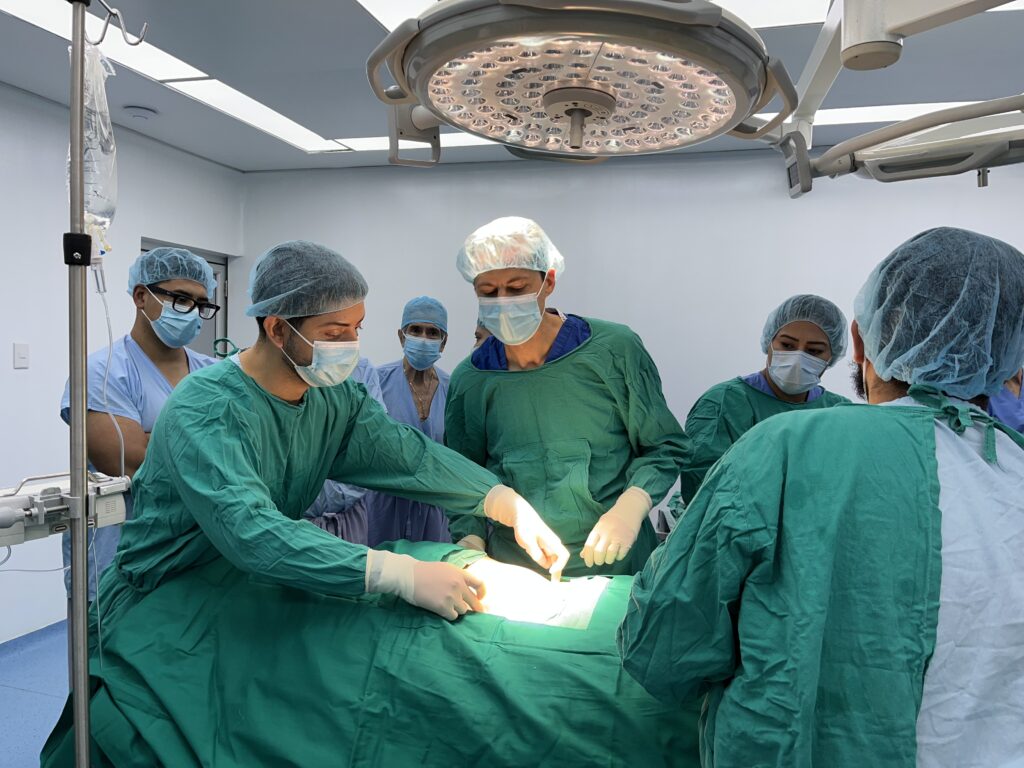
Blatnik remarked on the restricting conditions at on location, and how the hospital staff there overcomes that challenge.
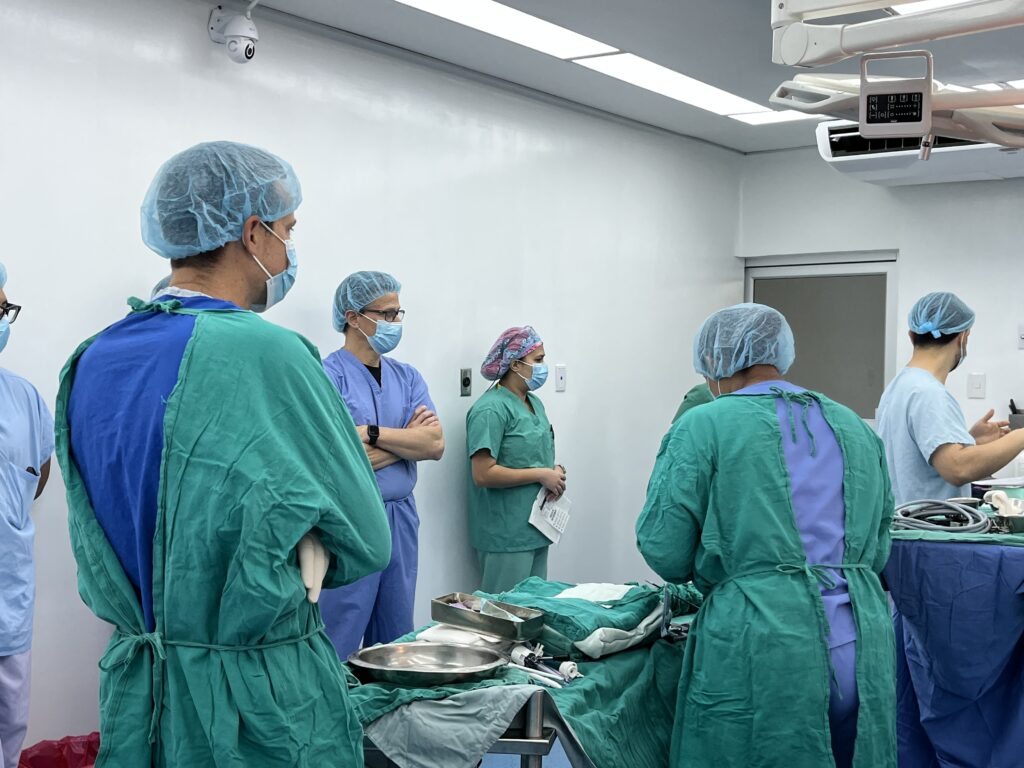
“It was eye-opening to observe how their operating rooms function,” said Blatnik. “Their system is quite different from ours; they have to be very resourceful due to space and equipment limitations. The hospital there, although they don’t have a lot of resources, has modern stuff. It’s just they don’t have the redundancies that we do and they’re very, very cost conscious. The dual approach of service and education is what makes SOfA’s mission truly impactful.”
Despite having limited resources, the hospital provides critical training for Salvadorian surgical residents and fellows. Blatnik expressed that working under these conditions was a valuable experience.
“Dr. Blatnik’s participation in a surgical outreach trip will help to advance WashU and SOfA’s stake in local practice through our philanthropic and charitable work,” said Peggy Frisella, cofounder of SOfA. “We hope seeing our leadership take part in global surgical care might encourage trainees and other faculty to participate in volunteer rotations.”
Frisella, who is an administrator at the Washington Institute of Surgical Education (WISE), has been organizing medical missions for years across various countries, including Belize, the Dominican Republic, and Guatemala. The main goal of these missions is to offer essential surgical care to underserved communities while simultaneously educating on-site medical staff.
SOfA encourages trainees, as well as faculty, to engage in international surgery mission trips to underserved communities in the Americas.
In the calendar year of 2025, SOfA funded surgical missions to Dominican Republic, El Salvador, and Guatemala, providing surgical and medical care to those communities.
Reflecting on his experience, Blatnik acknowledged the unique healthcare challenges faced by El Salvador, exacerbated by the country’s evolving political landscape. Despite these challenges, he felt reassured knowing that the patients he treated would receive appropriate follow-up care even after the team left.
Blatnik’s first trip with SOfA left a lasting impression, reinforcing his commitment to future missions.
“These programs are immensely beneficial,” he said, “providing both surgical care and educational opportunities enhances healthcare outcomes significantly.”
Through partnerships like the one between Blatnik, Frisella, and SOfA, communities with limited healthcare resources can access essential surgical care while investing in the future of their medical workforce. The dual focus on service and education ensures that the impact of these missions extends beyond immediate surgical interventions, promoting sustainable healthcare improvement.
McHale in Guatemala
In June, Matthew McHale, DO, a Centers for Sustainment of Trauma and Readiness Skills (C-STARS) program faculty, traveled with First Baptist Church of Mount Pleasant, TX, a Texas-based non-profit organization, to the town of San Raymundo, Guatemala to provide surgical outreach. The group is a multidisciplinary medical organization that includes staff such as cooks, maintenance workers, and nurses, and with whom he has traveled several times, since his time during residency training to provide surgical care. His two eldest children joined him on this trip.
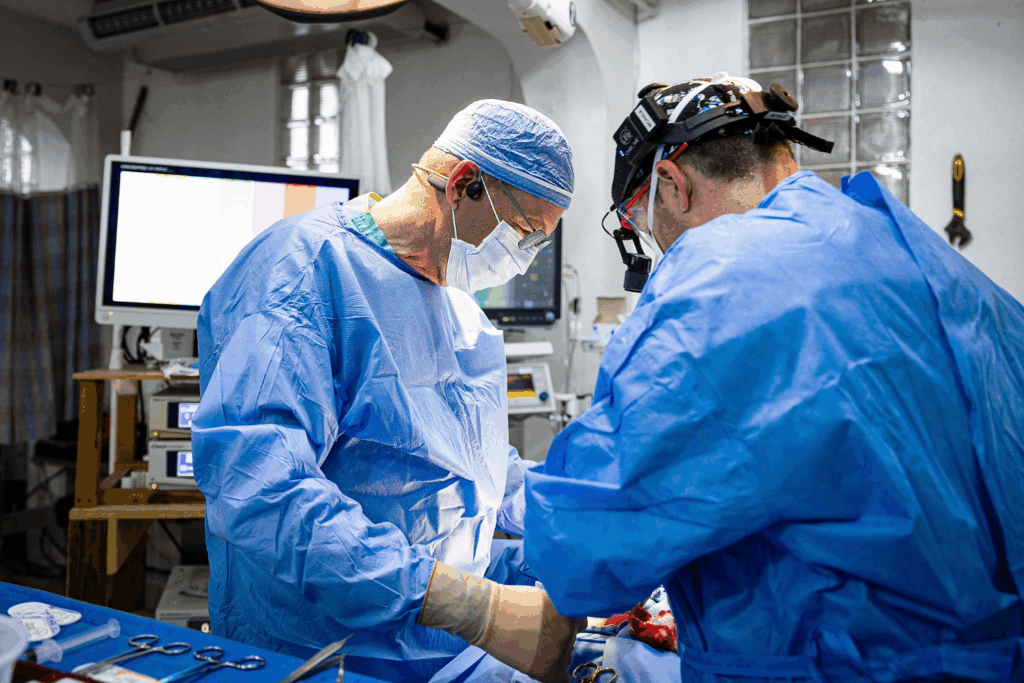
McHale took his teenagers on medical mission last summer, aiming to instill values of compassion and service. He believes these experiences provide invaluable life lessons and emphasize the importance of helping others in need.
The surgeries performed most commonly included hernia repairs, laparoscopic procedures like cholecystectomies and appendectomies, and OB-GYN surgeries. McHale emphasized the profound immediate and tangible impact these surgeries have on patients’ lives.
“It’s really rewarding, knowing the immediate effect that you have on people to allow them to go back to work or whatever else it might be and improve their quality of life,” said McHale.
Facilities in Guatemala are more limited compared to those in the United States. McHale noted differences such as climate-controlled operating areas with newer equipment but emphasized the ability to send out for labs when necessary. Despite the disparities, he reassured that follow-up care is effectively managed, which minimizes postoperative complications.
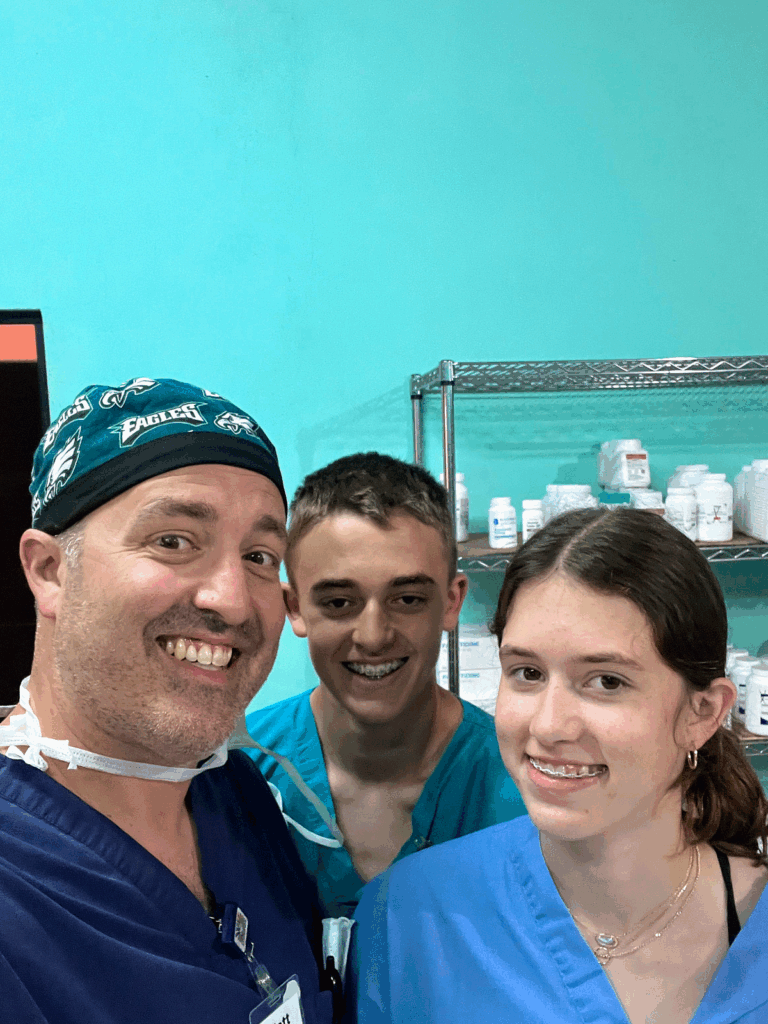
“While on-site, the medical group manages patients postoperatively and observes as they recover,” said McHale. “Once we are done, the local physicians continue any follow-up care.”
McHale’s dedication to these missions is driven by a desire to make a tangible difference. His dedication to educational excellence has been recognized by the general surgery residency program. He was presented with the Evarts A. Graham Teaching Award for this commitment.
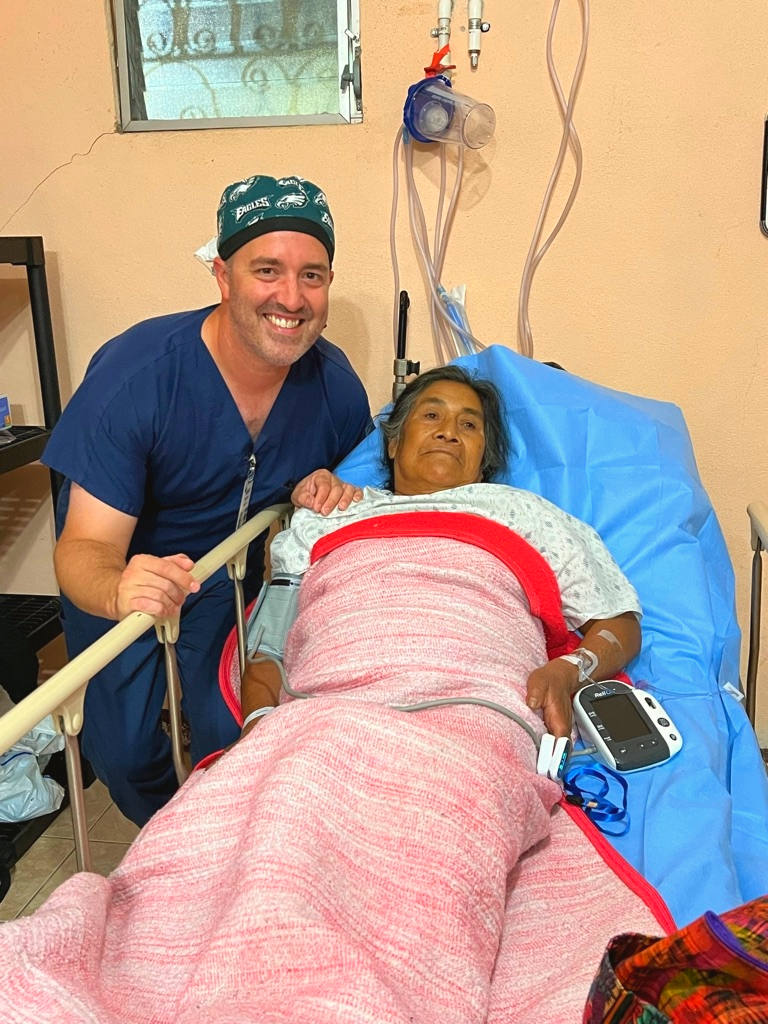
McHale underscored the educational value of these trips, envisioning opportunities for WashU trainee involvement to enhance their training experience.
“It’s a neat opportunity that I have as a surgeon,” said McHale.
McHale described occasional issues that affect medical procedures in the hospital facilities, including unreliable power and the possibility of flies entering the operating room despite preventive measures. He also remarked on the adaptability required, likening it to his military experience, in which surgeries might be performed in makeshift locations with resource scarcity and needing to improvise.
As an advocate for global medicine, McHale envisions integrating such initiatives into medical curricula, providing students enriching opportunities to witness and contribute to impactful medical care in underserved regions.
Global surgery at WashU Medicine
The Department of Surgery at WashU Medicine continues to engage in global surgery initiatives. While SOfA encourages hands-on clinical training in which trainees can provide surgical care to patients in Central American and Caribbean communities for weeklong rotations, the general surgery residency co-sponsors a surgery rotation in Mzuzu, Malawi that places a trainee in a surgical team on location for an 8-week rotation for a more rigorous training experience.
The WashU Medicine general surgery residency program seeks to facilitate educational opportunities that meet the needs of all trainees.
“For those especially passionate about surgical equity, we hope to support our residents through clinical, research and educational pursuits,” said Jennifer Yu, MD, MPHS, the director of the general surgery residency program. “We’ll continue to improve our offerings to support the professional growth of our trainees.”
Read about the resident experience in global surgery and about the resident experience traveling with SOfA.