Minimally invasive surgery fellows at WashU Medicine benefit from training in a program with high clinical volume across upper GI surgery, bariatric surgery and abdominal wall reconstruction.
Our fellows gain experience with laparoscopic, robotic and endoscopic surgical approaches, preparing them for careers in minimally invasive surgery.
Contact
Jessilyn Evans
Fellowship coordinator
[email protected]
314-362-8028
Program overview
The minimally invasive surgery (MIS) fellowship at WashU Medicine is a one-year clinical fellowship that trains two fellows per year. Established in 2003, the program provides extensive operative experience in minimally invasive upper GI surgery, bariatric & metabolic surgery, and complex abdominal wall reconstruction, with integrated endoscopy and esophageal physiology. Fellows receive protected time for research and quality improvement and graduate with strong autonomy and scholarly productivity.
The program is accredited by the Fellowship Council for advanced GI MIS/foregut and hernia surgery.
Our mission is to develop the next generation of academic leaders in minimally invasive surgery.
Fellows operate primarily at Barnes-Jewish Hospital and Barnes-Jewish West County Hospital, with clinics at the Center for Advanced Medicine. Training emphasizes progressive autonomy, a weekly fellow-led MIS case conference, robust resident teaching, and scholarly work supported by dedicated research time. The program culture is collaborative and mentorship-driven, with regular feedback and individualized development plans. Graduates transition confidently into academic and community practices.
Our program offers:
- Extensive experience with complex foregut and esophageal surgery, including anti-reflux procedures, paraesophageal hernia repairs and redo hiatal hernia repair.
- High-volume exposure to all aspects of complex abdominal wall reconstruction and hernia repair, including robotic, laparoscopic, and open techniques.
- A robust bariatric surgery experience, including primary and revisional procedures.
- Dedicated mentorship and career development from internationally recognized faculty in MIS, surgical education, and clinical research.
Learn more about the Division of Minimally Invasive Surgery>>
Program director
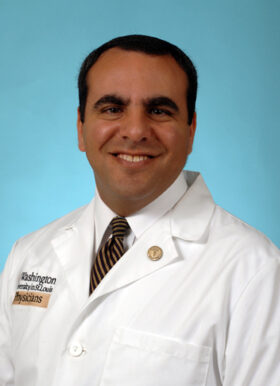
Michael M. Awad, MD, PhD, MHPE, FACS
Professor of Surgery
Section of Minimally Invasive Surgery
Division of General Surgery
Director, Robotic Surgery, Barnes-Jewish Hospital
Director, Washington University Institute for Surgical Education (WISE)
Director, WISE Simulation Fellowship
- Phone: 314-454-8877
Associate program director
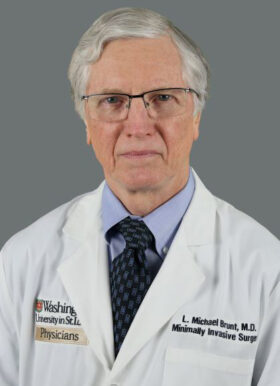
Michael Brunt, MD
Pruett Family Professor of Surgery
Division of Minimally Invasive Surgery
- Phone: 314-454-8877
See all minimally invasive surgery faculty>>
How to apply
Eligibility
Applicants must have successfully completed a general surgery residency program accredited by the ACGME.
Applicants must be board eligible/certified.
Must be eligible for a Missouri medical license.
Application process
Our program participates in the Fellowship Council Match. All applications must be submitted through the Fellowship Council website.
For more information on the application process and timeline, please visit the Fellowship Council website.
Clinical experience
The fellow’s clinical experience is a comprehensive, hands-on apprenticeship covering the full spectrum of minimally invasive general surgery.
Patient care
Case mix and rotation time emphasize operative breadth and depth with graduated responsibility.
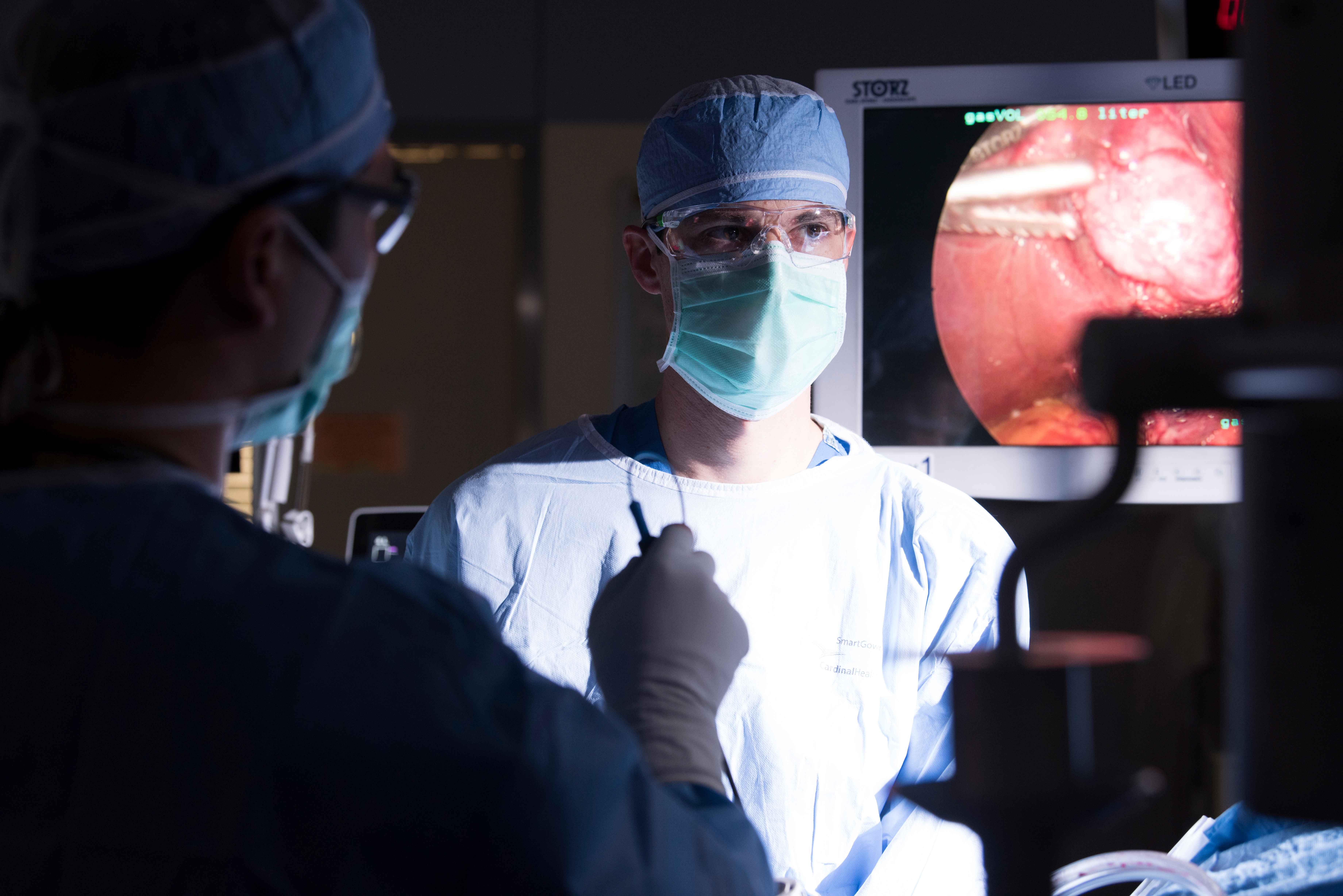
Each fellow completes 400-500 procedures per year.
Rotations and facilities
The fellow spends the majority of their time at Barnes-Jewish Hospital, a large tertiary referral center and the primary teaching hospital for Washington University School of Medicine.
A second location includes Barnes-Jewish West County Hospital, providing a smaller, community practice environment. This provides exposure to a high volume of complex cases from a wide catchment area.
Rotations are structured to maximize exposure to foregut, hernia, and bariatric surgery.
Schedule
- 3–3.5 days: Operative care
- 0.5–1 day: Outpatient clinics (foregut, bariatrics, hernia)
- 0.5-1 day: Research/QI & academic development
- Call: ~7 days/month; home call with attending backup
Operative experience
The fellow will become proficient in a wide range of advanced GI and MIS procedures, including:
- Foregut/esophageal: Laparoscopic and robotic paraesophageal hernia repair, fundoplication, redo hiatal hernia repair, LINX™ procedures, POEM, Heller myotomy, gastric electrical stimulator, esophageal diverticulectomy, diaphragmatic hernia repair, median arcuate ligament release, duodenojejunostomy for SMA syndrome
- Abdominal wall reconstruction: Advanced robotic techniques (eTAR, rTAPP), laparoscopic (TAPP, TEP), open inguinal and complex open hernia repairs
- Bariatric: Laparoscopic Roux-en-Y gastric bypass, sleeve gastrectomy, and revisional bariatric surgery
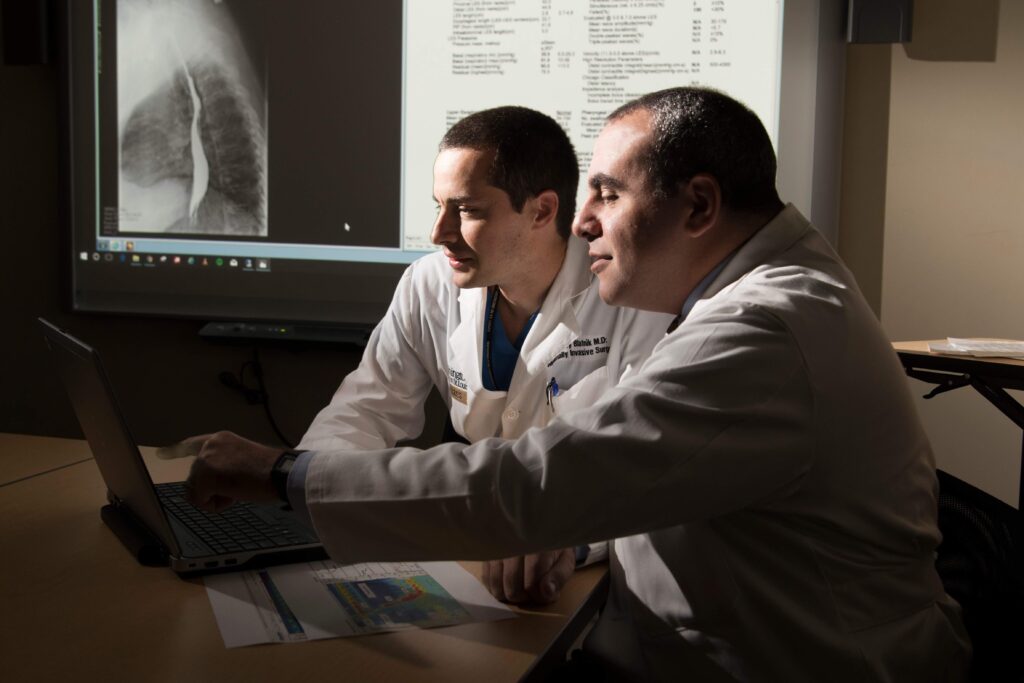
- Flexible endoscopy and esophageal physiology: Manometry, pH/impedance, EndoFLIP
- Minimally invasive solid organ surgery (adrenal/spleen)
Curriculum
Conferences and didactics
The fellow is an integral part of our academic community and is expected to attend and participate in weekly conferences, including:
- Division of Minimally Invasive Surgery Didactic Conference
- General Surgery Grand Rounds
- Morbidity & Mortality (M&M) Conference
- GI Surgery Journal Club
Courses and labs
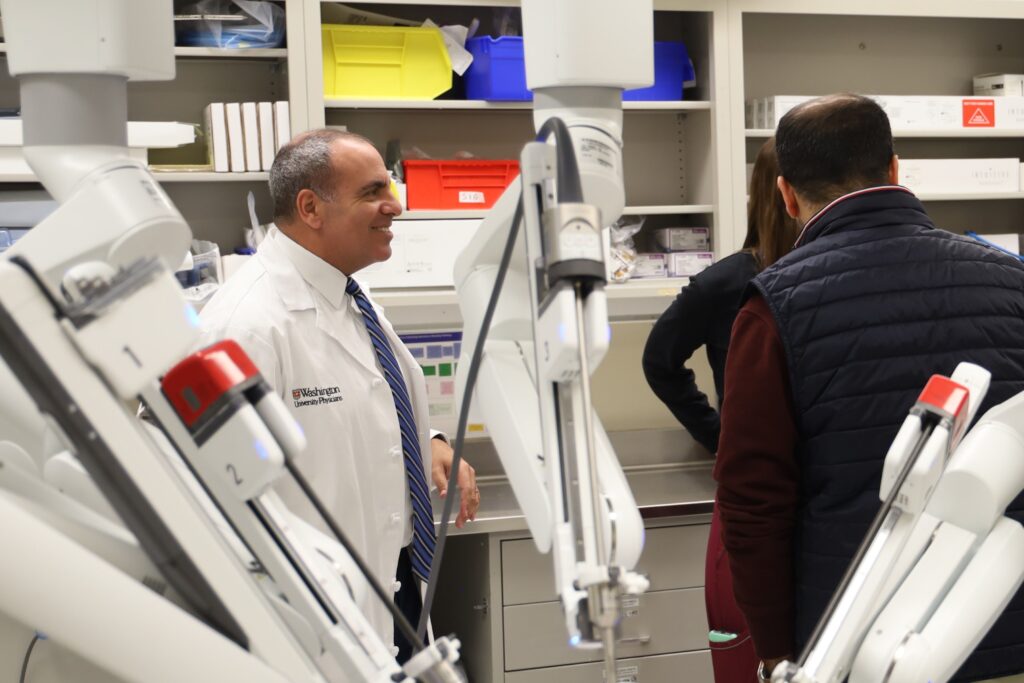
Fellows have access to the world-class Washington University Institute for Surgical Education (WISE), which includes laparoscopic and robotic skills labs, simulation training, and cadaveric and animate labs to hone advanced surgical techniques.
Research & academic opportunities
Clinical research
Fellows are expected to complete at least one clinical research project during the year, with the goal of presenting at a national meeting and publishing in a peer-reviewed journal.
The Division of Minimally Invasive Surgery has a robust clinical research infrastructure, including data registries and faculty support to help the fellow succeed.
Teaching and education
The fellow plays an active role in the education of general surgery residents and medical students, both in the operating room and through formal didactic sessions. This includes opportunities for leading simulation sessions at the WISE center.
Mentorship and professional development
Our fellowship offers a structured mentorship program with a low fellow-to-faculty ratio, ensuring personalized attention and guidance.
Faculty provide dedicated career counseling, assistance with job searching, and opportunities to build a professional network through national society meetings.

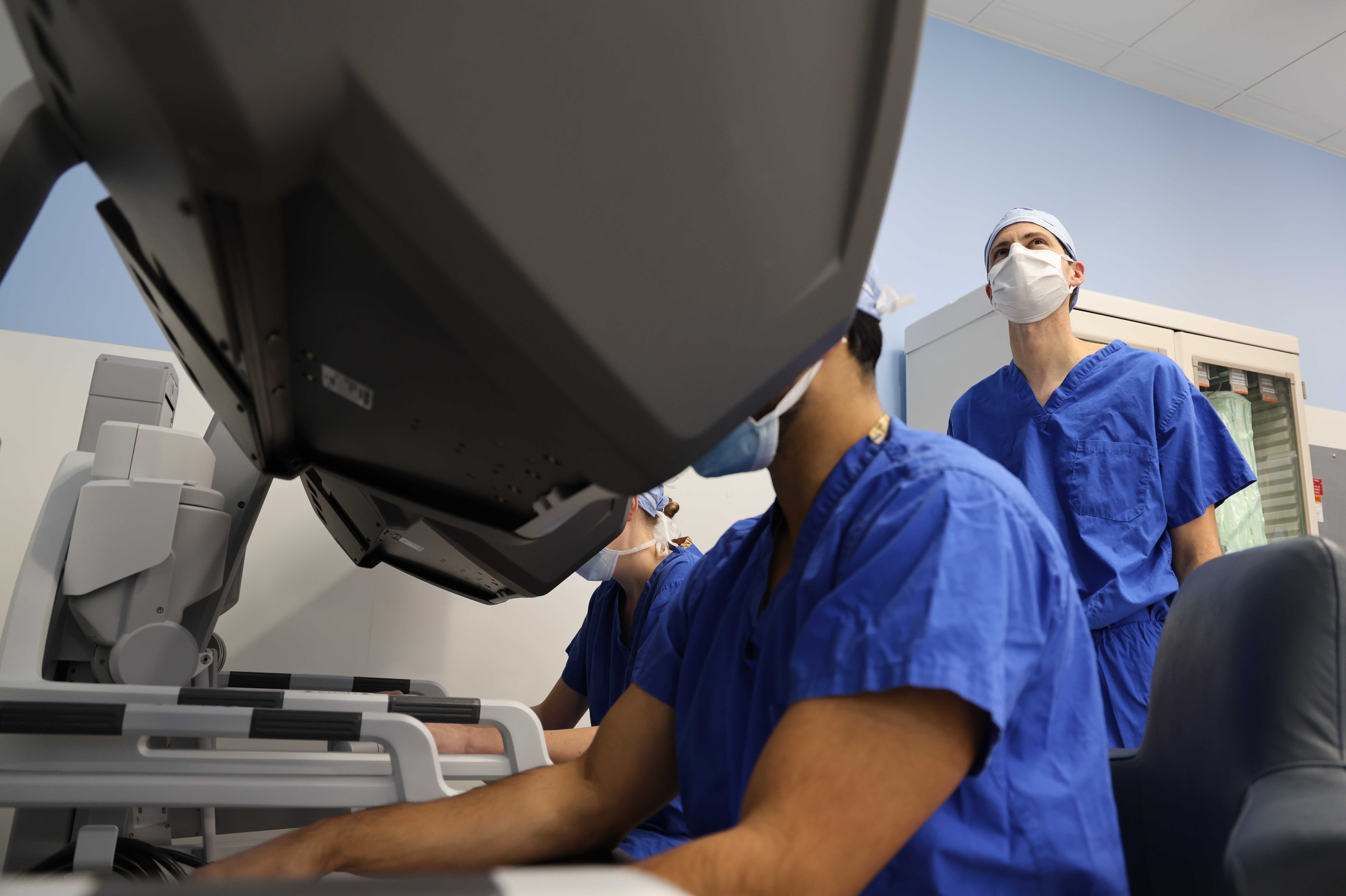
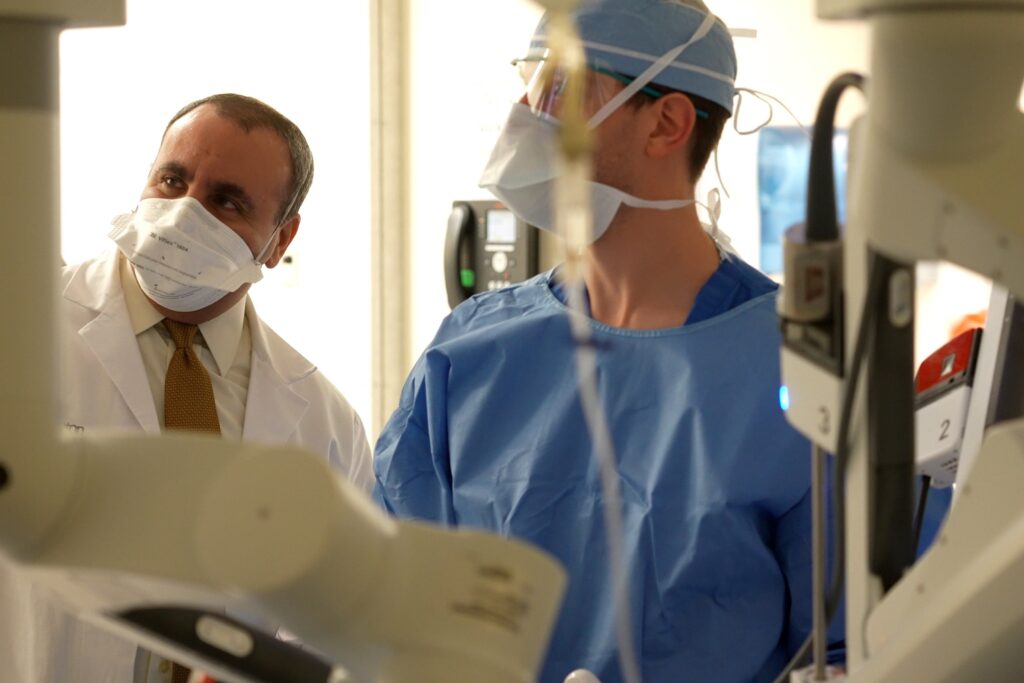
Current fellows
Paul Kepper, MD
Residency: WashU Medicine
Dahlia Kenawy, MD, MS
Residency: The Ohio State University Wexner Medical Center
| Year | Name | Next appointment |
| 2024-2025 | Bradley Kushner, MD | Duke University Medical Center Durham, NC |
| 2024-2025 | Mikhail Attaar, MD | The Guthrie Clinic Guthrie, PA |
| 2023-2024 | Maggie Bosley, MD | Oregon Health & Science University Portland, OR |
| 2023-2024 | Robert MacGregor, MD | WashU Medicine St. Louis, MO |
| 2022-2023 | Douglas Cassidy, MD | Medical University of South Carolina Charleston, SC |
| 2021-2022 | Victoria Gershuni, MD, MTR, MSGM | Hospital of the University of Pennsylvania Philadelphia, PA |
| 2020-2021 | William Sherrill, MD | Atrium Health/Carolinas Medical Center Charlotte, NC |

Medical campus
The Washington University Medical Campus is the core of world-class biomedical research and health care in the St. Louis region and beyond.
Life in St. Louis
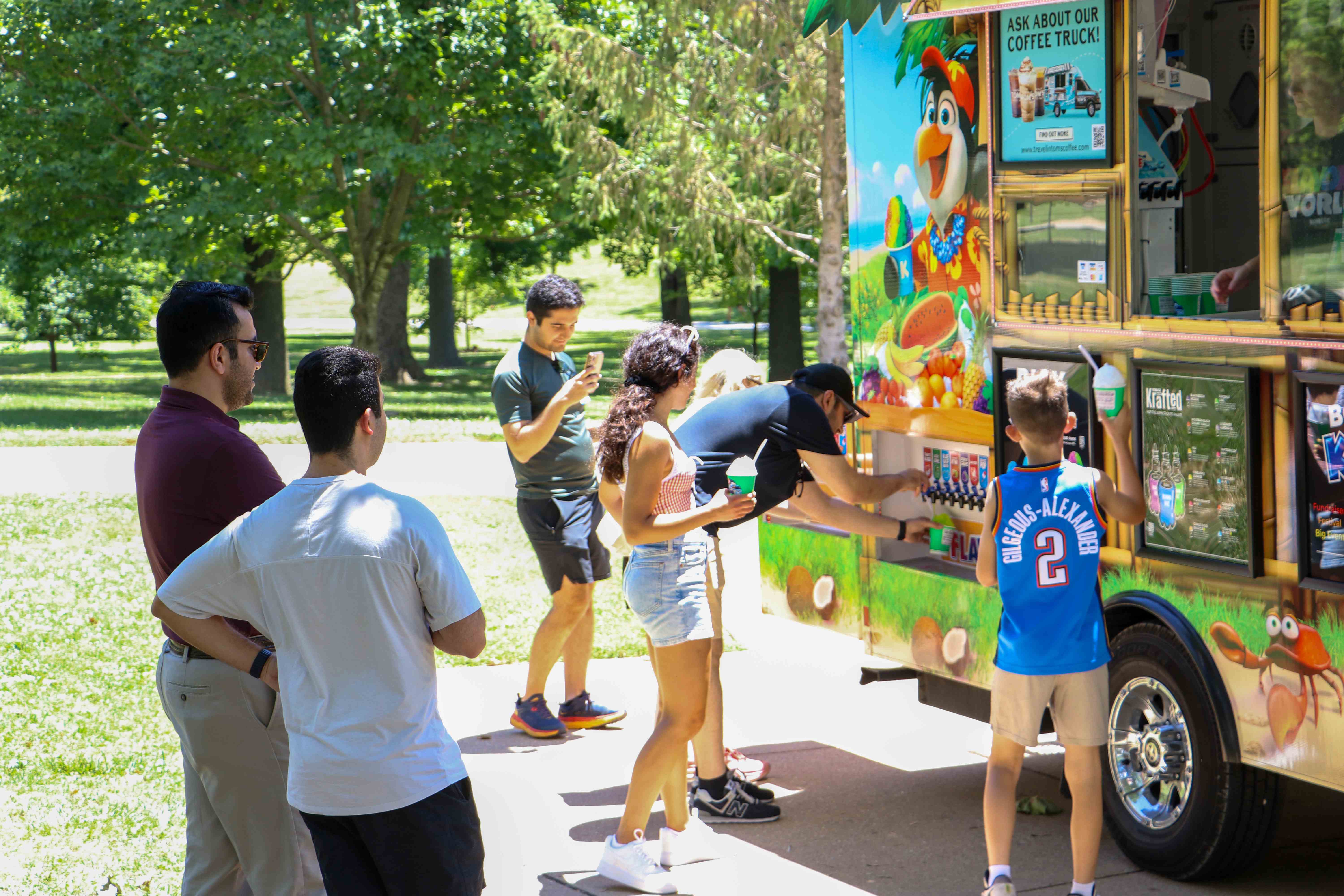
We love St. Louis for the variety of activities, low cost of living, camaraderie of our training programs and so much more!