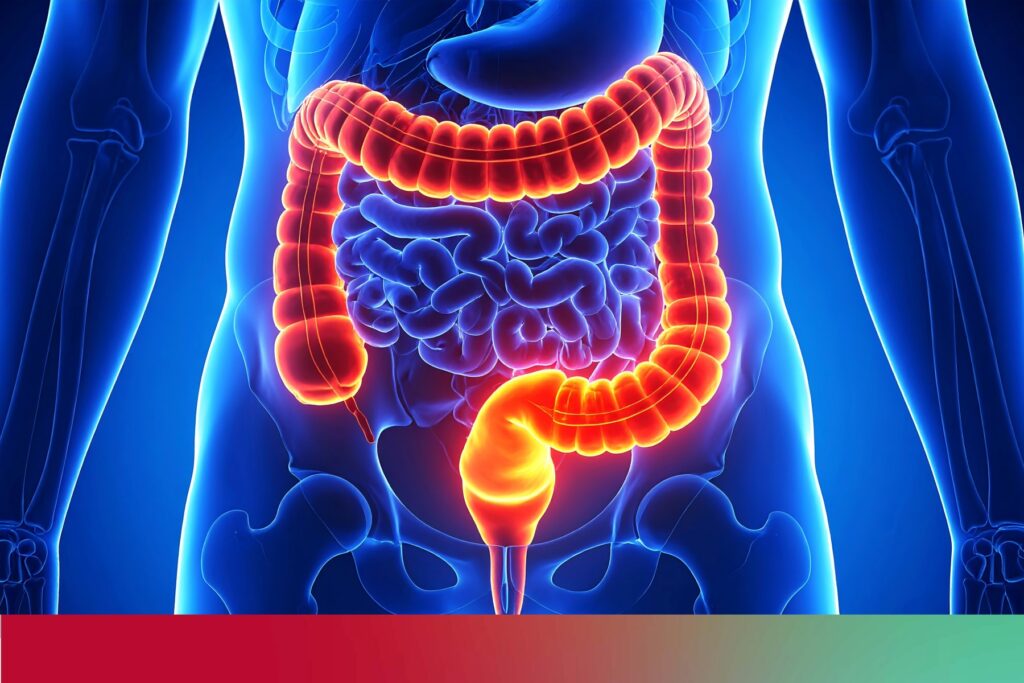
According to the American Cancer Society, over 150,000 cases were diagnosed in the United States in 2025. Colorectal cancer is the third leading cause of cancer-related deaths in men and the fourth leading cause in women, but the second most common cause of cancer deaths when men and women are combined. While overall death rates from colorectal cancer have declined in recent decades due to screening and improved treatments, death rates among young adults (under age 55) have been increasing by roughly 1% per year since the mid-2000s.
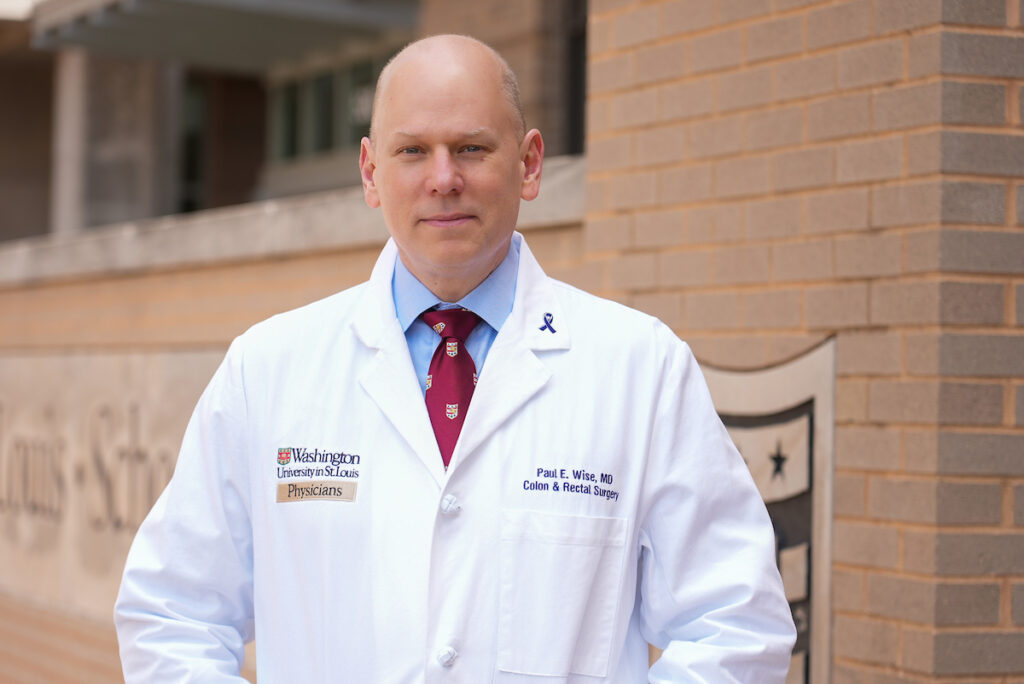
According to Paul E. Wise, MD, an expert in diagnosing and treating colorectal cancer, those with an average risk should start screening for colon cancer at age 45 while those with a family history or inherited risks often need earlier screening.
Dr. Wise notes that while rates in younger adults are rising, colon cancer remains more common in those over age 45. Key symptoms to watch for include blood in the stool, unexplained weight loss, abdominal pain, and persistent bowel habit changes. Diet significantly affects risk; high consumption of red meat and low fiber intake can increase it. Dr. Wise emphasizes that screening is crucial even without symptoms, with options like colonoscopy and stool-based tests being the most common. Colon cancer affects both men and women of various ages, making awareness critical.
Colon cancer: common questions and expert answers
Question: At what age should you really start thinking about colorectal cancer or colon cancer?
Answer: Most people should begin thinking seriously about colon cancer in their mid-40s, as guidelines now recommend average-risk screening at age 45. However, if you have a family history, certain intestinal conditions like inflammatory bowel disease, or genetic or inherited risk factors, you may need to start earlier. “Thinking about it” means knowing your risk, being alert to symptoms, and planning for screening.
Q: Is colon cancer becoming more common in younger people? Should those in their 20s or 30s be concerned?
A: Yes, rates are rising in younger adults, but the numbers are still much higher in people over age 45. Younger individuals shouldn’t live in fear, but they should be aware and not ignore persistent symptoms like blood in the stool, unexplained anemia (also known as having low blood counts), unexplained abdominal pain or weight loss, or major bowel habit changes. Awareness, not panic, is key.
Q: What symptoms should never be ignored at any age?
A: Symptoms to never ignore include:
- Blood in the stool (bright red or dark/black)
- Unexplained weight loss
- Ongoing changes in bowel habits (persistent diarrhea, constipation, or narrow stools)
- Abdominal pain that doesn’t go away
- Unexplained fatigue or iron-deficiency anemia
- If something feels “off” for more than a couple of weeks, it’s worth checking out!
Q: What advice do you have for younger patients who feel dismissed by doctors because of their age?
A: Trust your gut. If symptoms persist, advocate for yourself—ask for tests, second opinions, or referrals. Bring a written list of your symptoms and how long you’ve had them. It’s okay to say, “I understand this is rare for my age, but I don’t want to miss something serious.”
Q: Does diet affect colon cancer risk?
A: Yes, diet plays a role. Diets high in red meat and/or processed meats, and diets that are low in fiber, fruits, and vegetables are linked to higher risk. Eating more plant-based foods, whole grains, and maintaining a healthy weight while staying active can help lower your risk. However, diet is just one piece of the puzzle—genetics and lifestyle also matter. Other lifestyle factors like smoking and alcohol use also increase colorectal cancer risks.
Q: What advice do you have for handling colon cancer content on social media?
A: Social media can raise awareness but also spread misinformation. Always check the source: is it a medical organization, a trusted peer-reviewed journal, or a personal story? Personal stories are powerful but don’t replace medical advice. Use what you see online as a prompt to talk to a trusted doctor or medical provider, not as a diagnosis. If something sounds too good to be true, it probably is!
Q: Can colon cancer be genetic, and should that change how early you get screened?
A: Yes, roughly 1 in 3 colorectal cancer cases have a family or genetic component or association. Conditions like Lynch syndrome or familial adenomatous polyposis (FAP) dramatically increase risk. If you have a strong family history, talk to your doctor or medical provider—you may need to start screening as early as your 20s!
Q: How important is it to get screened, even if you feel fine?
A: Screening saves lives because early colorectal cancer often starts with no symptoms, so screening can find those early cancers that may be curable. In addition, screening can help find and remove polyps, which can be pre-cancerous or lead to cancer, before they even have a chance to turn into cancer or cause symptoms in the first place. Feeling fine doesn’t mean you’re in the clear, which is why sticking to screening guidelines is absolutely critical.
Q: Is colonoscopy the only screening option? What is the worst part about a colonoscopy?
A: No, colonoscopy is not the only option. Other tests include stool-based tests (like FIT* or Cologuard*) and some radiology tests. Colonoscopy is the most trusted and thorough option because it can both find and remove polyps in one step, which can potentially stop a cancer from happening in the first place. The prep isn’t fun, but the procedure itself is safe, quick, and done under sedation—most people say it was much easier than they feared.
Q: What’s the #1 myth about colon cancer you wish people knew wasn’t true?
A: That it only happens to “old men.” Colon cancer affects women and men and can strike at younger ages, too. Awareness is essential for everyone, not just “old men”!

Take action for your health!
If you’re concerned about your risk for colon cancer, don’t hesitate to discuss screening options with your healthcare provider. Early detection can save lives, and being proactive is the first step toward prevention and peace of mind. Advocate for yourself, stay informed, and take the necessary steps to protect your health today.
Need a colonoscopy? Check out https://colorectalsurgery.wustl.edu/patient-care/colonoscopy/ or call 314-454-7177
Want to learn more about your cancer risk (for colon and other cancers)? Check out “Your Disease Risk” from Siteman Cancer Center: https://siteman.wustl.edu/prevention/ydr/
Want to know 8 ways that you can lower your colon cancer risk? Check out: “8ight Ways” from Siteman Cancer Center: https://siteman.wustl.edu/prevention/8-ways/8-ways-to-prevent-colon-cancer/