Surgeons use virtual reality headsets for intraoperative planning of DIEP flap breast reconstruction.
Breast Reconstruction in Virtual Reality: Innovations in Plastic Surgery

Stories about conditions, procedures, techniques and advancements in patient care from the Department of Surgery.
Surgeons use virtual reality headsets for intraoperative planning of DIEP flap breast reconstruction.

Extracorporeal membrane oxygenation helps the body recover during heart or lung failure.

State-of-the-art breast reconstruction provides natural results after mastectomy.
Congratulations to the Department of Surgery faculty recognized on the 2022 Castle Connolly Top Doctors® list.

Learn more about lung cancer types, symptoms and treatment from Washington University surgeons at Siteman Cancer Center.
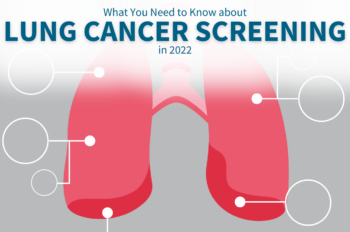
Screening guidelines updated in 2021 nearly double the number of eligible individuals.

Hepatitis can cause damage to the liver and, in some cases, a need for a liver transplant.

Sarcomas are a cancerous condition that manifests in different types of tissue. Symptoms include progressively enlarged or painful lumps that are superficial, deep or in the joints. There are many options for diagnosing sarcomas, and their progress or stage determines treatment options. Sarcoma is a rare type of cancer that often doesn’t cause symptoms, which makes screenings vitally important if you develop any new and unidentified lumps.

Historic Division of Plastic and Reconstructive Surgery to host 70th Annual Meeting.

Making the decision to undergo weight loss surgery, or bariatric surgery, can be difficult. They may have questions about their life after their procedure, wonder what sort of diet restrictions they will have, and question who will be there to support them before and after surgery. Washington University bariatric surgeons are partners in their patient’s […]

Although these pelvic floor disorders become more common as women age, they do not have to be a normal part of aging.

Kelly Currie, MD, and McKenna Buchheit (Roberts), PA, participated in Christian Hospital’s women’s health seminar.
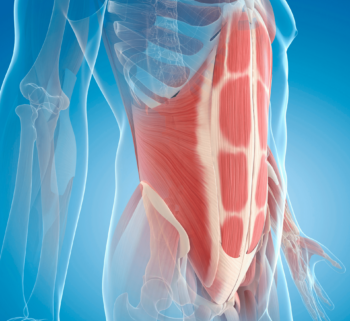
A hernia belt can provide temporary relief, but surgery is the only way to fix a hernia.
This distinction recognizes the Weight Loss Surgery Program as expert providers in delivering specialty care.

Washington University patients benefit from blood donations during surgery and in critical care situations. Learn about the “what, how, and why” of blood donation.

Kimberly Berni, MD, and Jeffrey Glaser, MD, join Washington University Urology at Progress West Hospital and Barnes-Jewish St. Peters Hospital.

Washington University surgeons highlight the importance of speaking openly about men’s health with your doctors and learning about screening guidelines.

Dr. Blatnik fixed the complex hernias that caused Vojin pain for years.

Starting your weight loss surgery journey with Washington University bariatric surgeons is as simple as 1-2-3.

Barnes-Jewish Hospital is once again recognized nationally for excellence in mitral valve repair by the Mitral Foundation and the American Heart Association.
Research conducted by investigators at Washington University School of Medicine has demonstrated the improvement of rectal cancer treatment through short course radiation therapy. This regimen may represent a new standard for treatment in eliminating localized rectal cancer.

Dane Johnson, MD, explains what led him to his role as a men’s health, sexual dysfunction and infertility specialist at Washington University School of Medicine in St. Louis.

Weight loss surgery is part of a lifelong journey. Learn more about life after surgery.

Audrey was born with a rare combination of heart conditions. Thanks to an organ donor and the St. Louis Children’s and Washington University Heart Center team, she celebrated her first birthday at home with a new heart.

Follow these steps to get ready for your scheduled surgery.

Washington University bariatric surgeons use measures like body mass index (BMI) to determine whether their patients are eligible for weight loss surgery.

Prostate cancer is among the most common types of cancer. Learn more about the connection between prostate cancer and erectile dysfunction.

Both high blood pressure and erectile dysfunction are common among older men. Understanding the relationship between these conditions could help men find the treatment that’s right for them.
Surgeons explain what mircosurgery is, how its performed, its benefits and more.

The Department of Surgery explains terminology and components of the circulatory system. We use plain language to explain to describe what arteries, vessels, and related structures are, how they are different and some common conditions that affect them.
Research by Washington University hernia surgeons finds a durable solution for treating complex recurrent ventral hernias. The findings are published in the journal Surgery.
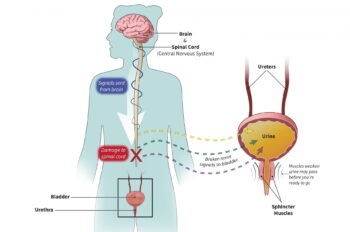
Neurogenic bladder is a condition in which the nerves signaling to the bladder have been damaged, resulting in dysfunction of the bladder muscles and function. Common causes include genetic nerve problems, birth defects, injury, stroke, diabetes, infection, brain or spinal cord tumors. Treatments include lifestyle changes, medicinal treatments and surgery.
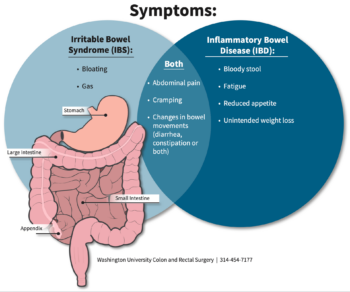
Inflammatory bowel disease and irritable bowel syndrome are two different gastrointestinal conditions. Learn more about each, and how Washington University Colon & Rectal Surgery provides team-based care for inflammatory bowel disease.
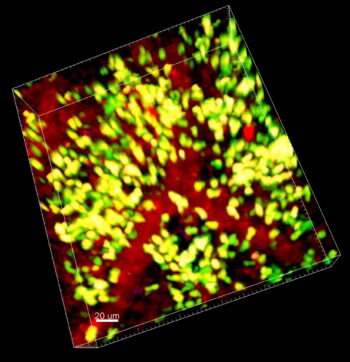
Investigators from the Thoracic Immunology Laboratory have identified pathways leading to ischemia-reperfusion injury after lung transplantation. Their findings are published in the journal PNAS.

Lymphedema is swelling caused by a blockage or damage to the lymphatic system. Most cases of lymphedema in the United States happen after cancer or cancer treatment. Understanding this condition can help with lymphedema prevention, management and treatment.
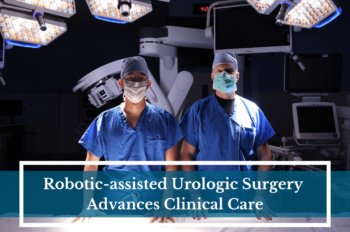
Washington University urologic surgeons embrace leading-edge robotic techniques to advance clinical care.

Learn about the benefits of HIPEC surgery for people in St. Louis with abdominal cancer.

Sam Schaefer suffered from constant pain after an injury left him with a rare neurological condition. After a below-the-knee amputation at Washington University School of Medicine in St. Louis, he is back to playing hockey, breaking world records and coaching at a local gym.

Cancer staging is an essential step in the cancer treatment process. When a patient is diagnosed with cancer, staging tests indicate the extent and progress of cancer. Knowing this information assists physicians in deciding treatment options and can also predict health outcomes for the patient.

Susan Mackinnon, MD, the Minot Packer Fryer Professor of Plastic Surgery at Washington University School of Medicine in St. Louis, has received the American Association of Plastic Surgeons (AAPS) 2022 Honorary Award.

Researchers from Washington University and Siteman Cancer Center conduct research on patient health outcomes after surgery for stage I non-small cell lung cancer to understand if persistent smoking after surgery is associated with worse survival. They conclude that persistent smoking after surgery decreases the survival rates of patients.
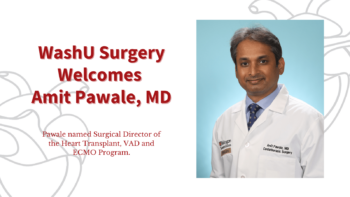
Amit Pawale, MD, joins the department as surgical director of heart transplantation, ventricular assist devices and extracorporeal membrane oxygenation at Washington University School of Medicine in St. Louis.
Residency applicants need to know the fit of a program’s research education to their interests and needs. Ryan C. Fields, MD, the Director of Resident Research for the General Surgery Residency Program at Washington University, explains why WashU is an ideal location for research in surgery.

Washington University thoracic surgeons at Christian Hospital recently accomplished a major milestone in its pursuit of offering precise, leading-edge medical care. On Dec. 1, 2021, thoracic surgeons Varun Puri, MD, MSCI, Nabil Munfakh, MD, and their operative staff carried out Christian Hospital’s 500th robotic thoracic surgery. “I am proud that Christian was the first hospital […]
The medical term for an enlarged prostate is benign prostatic hyperplasia (BPH). An enlarged prostate is not a medical problem, but it is a condition patients should understand.

Physicians at Washington University School of Medicine conducted a research study on the disparities of post-surgery complications and readmission, visualizing differences of readmission between white and non-white patients. Patients of color are more likely to require readmission after surgery, which may be related to other lived disparities, such as barriers to accessing equal healthcare to their white counterparts.

Heart failure is a chronic and progressive condition in which the muscle tissue of the heart cannot pump enough blood to supply oxygen and circulation throughout the body. It results in symptoms like fatigue and shortness of breath but can cause other complications. Multiple types of HF exist and are treated differently depending on the stage.
Colorectal cancer is a type of cancer that develops in the lower intestine, either the colon or rectum, and causes symptoms such as bowel movement changes, pain and weight loss as it progresses. It is a common cancer that is often detected through regular screening and requires physician diagnosis from specific tests. Colorectal cancer is preventable, treatable and curable through surgical and radiation treatments. Washington University School of Medicine and Siteman Cancer Center provide patients with screening, diagnoses and treatment options.

Diverticulitis is the inflammation or infection of diverticula, small pouches commonly occurring in the colon. The presence of diverticula is known as diverticulosis. If one or several diverticula become inflamed or infected, diverticulitis develops. Diverticulitis causes abdominal pain, fever, nausea and a changes in bowel habits. Mild diverticulitis can be treated with rest, changes in diet and use of antibiotics, but severe or persistent attacks of diverticulitis requires surgery.

Meet the Pancreatic Cancer Team Washington University hepatobiliary-pancreatic & gastrointestinal (HPB-GI) surgeons, along with the multidisciplinary team of specialists at Siteman Cancer Center, are nationally recognized for their screening, diagnosis and treatment of pancreatic cancer. According to the American Cancer Society, pancreatic cancer is the eighth most common cancer in women and the tenth most […]