At the 2020-2021 Distinguished Service Teaching Awards, three members of the department were recognized for their contributions to medical student education.
Department of Surgery Educators Recognized by Medical Student Awards
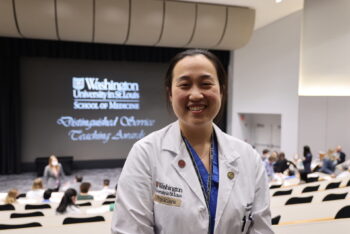
At the 2020-2021 Distinguished Service Teaching Awards, three members of the department were recognized for their contributions to medical student education.

Lymphedema is swelling caused by a blockage or damage to the lymphatic system. Most cases of lymphedema in the United States happen after cancer or cancer treatment. Understanding this condition can help with lymphedema prevention, management and treatment.
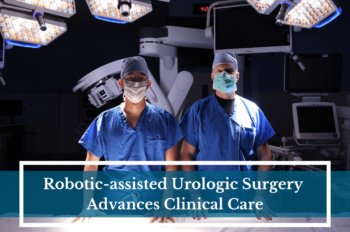
Washington University urologic surgeons embrace leading-edge robotic techniques to advance clinical care.

Learn about the benefits of HIPEC surgery for people in St. Louis with abdominal cancer.
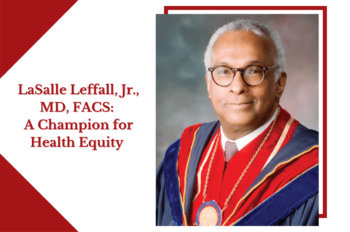
LaSalle Leffall, Jr., MD, FACS, one of Homer G. Phillips Hospital’s most notable alumni, had an immeasurable impact on surgical oncology and health equity.
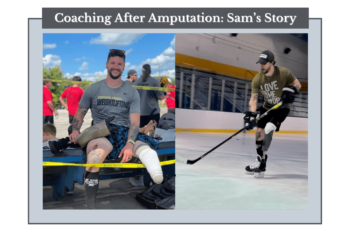
Sam Schaefer suffered from constant pain after an injury left him with a rare neurological condition. After a below-the-knee amputation at Washington University School of Medicine in St. Louis, he is back to playing hockey, breaking world records and coaching at a local gym.
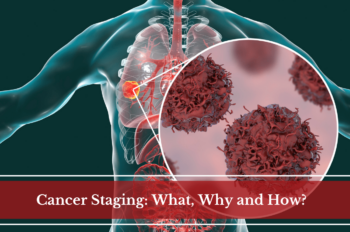
Cancer staging is an essential step in the cancer treatment process. When a patient is diagnosed with cancer, staging tests indicate the extent and progress of cancer. Knowing this information assists physicians in deciding treatment options and can also predict health outcomes for the patient.
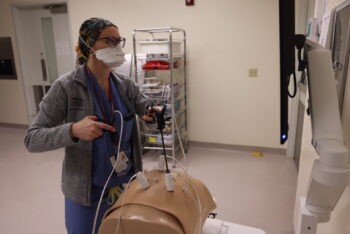
Washington University surgery faculty and trainees are evaluating a new virtual reality laparoscopic skills simulator at the WISE Center.
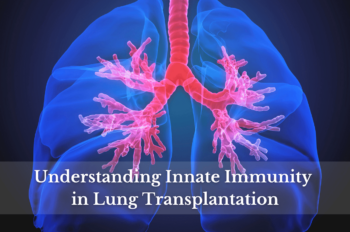
Washington University General Surgery residents and leaders of the Thoracic Immunobiology Laboratory collaborated to discuss the body’s innate immune responses that could lead to lung injury and allograft failure.

Researchers from Washington University and Siteman Cancer Center conduct research on patient health outcomes after surgery for stage I non-small cell lung cancer to understand if persistent smoking after surgery is associated with worse survival. They conclude that persistent smoking after surgery decreases the survival rates of patients.
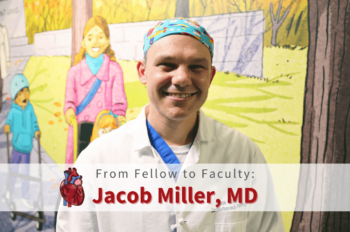
Washington University pediatric cardiothoracic surgeon Jacob Miller, MD, specializes in the surgical treatment of congenital heart and lung conditions at St. Louis Children’s Hospital. Miller joins the faculty after completing world-class surgical training at the School of Medicine.
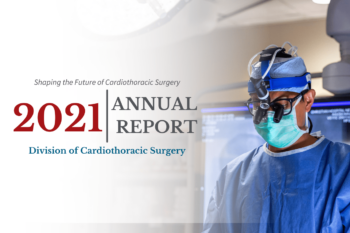
The Division of Cardiothoracic Surgery does essential, life-saving work for our patients at Washington University School of Medicine in St. Louis, where surgeons are shaping the future of surgery. To highlight the year’s accomplishments among our surgeons, are proud to share the 2021 Annual Report for the Division of Cardiothoracic Surgery, which is now available online.
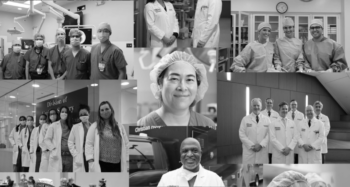
With another year in the books, we are proud to share the Department of Surgery 2021 Annual Report, demonstrating our mission in action. You can read the Annual Report online to learn how the Department of Surgery at Washington University School of Medicine in St. Louis has continued its leadership in patient care, research, education and health equity in a year of challenges and successes.
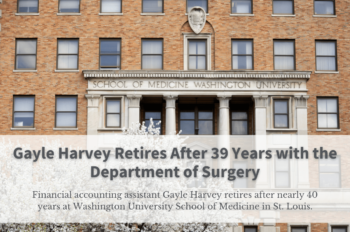
Financial accounting assistant Gayle Harvey retires after nearly 40 years at Washington University School of Medicine in St. Louis.
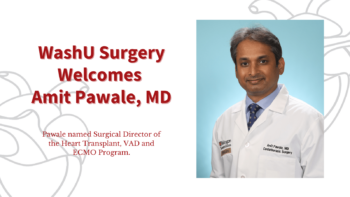
Amit Pawale, MD, joins the department as surgical director of heart transplantation, ventricular assist devices and extracorporeal membrane oxygenation at Washington University School of Medicine in St. Louis.

Ambulatory coder Beth Jurgensen retires after 35 years at Washington University. She reflects on the many fond memories from throughout her career while looking forward to giving back during retirement.
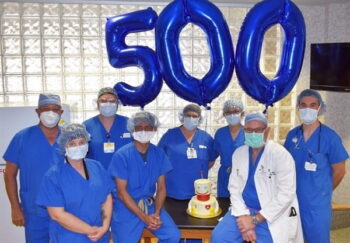
Washington University thoracic surgeons at Christian Hospital recently accomplished a major milestone in its pursuit of offering precise, leading-edge medical care. On Dec. 1, 2021, thoracic surgeons Varun Puri, MD, MSCI, Nabil Munfakh, MD, and their operative staff carried out Christian Hospital’s 500th robotic thoracic surgery. “I am proud that Christian was the first hospital […]
The medical term for an enlarged prostate is benign prostatic hyperplasia (BPH). An enlarged prostate is not a medical problem, but it is a condition patients should understand.
General Surgery residents give their “best advice” to current or future applications to hospital residencies. Their insight and recommendations reflect their trials, successes, and learning experiences within the application process. They also emphasize how applying to programs like the General Surgery Residency is a major decision that cultivates professional and personal growth as a physician.

Physicians at Washington University School of Medicine conducted a research study on the disparities of post-surgery complications and readmission, visualizing differences of readmission between white and non-white patients. Patients of color are more likely to require readmission after surgery, which may be related to other lived disparities, such as barriers to accessing equal healthcare to their white counterparts.

A team of cardiac surgeons, general and interventional cardiologists, cardiac nurses and sonographers work together within the Washington University and Barnes-Jewish Hospital Heart & Vascular Center.
Heart failure is a chronic and progressive condition in which the muscle tissue of the heart cannot pump enough blood to supply oxygen and circulation throughout the body. It results in symptoms like fatigue and shortness of breath but can cause other complications. Multiple types of HF exist and are treated differently depending on the stage.
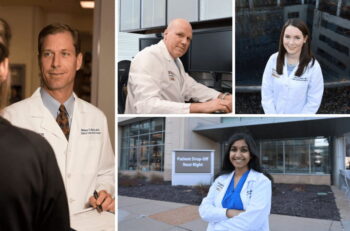
Colorectal cancer is a type of cancer that develops in the lower intestine, either the colon or rectum, and causes symptoms such as bowel movement changes, pain and weight loss as it progresses. It is a common cancer that is often detected through regular screening and requires physician diagnosis from specific tests. Colorectal cancer is preventable, treatable and curable through surgical and radiation treatments. Washington University School of Medicine and Siteman Cancer Center provide patients with screening, diagnoses and treatment options.
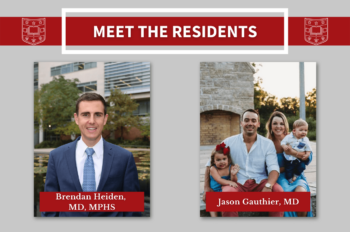
Get to know residents Brendan Heiden and Jason Gauthier in the General Surgery residency program, why they chose Washington University School of Medicine for their surgical training and what it’s like to be a resident in St. Louis.

Diverticulitis is the inflammation or infection of diverticula, small pouches commonly occurring in the colon. The presence of diverticula is known as diverticulosis. If one or several diverticula become inflamed or infected, diverticulitis develops. Diverticulitis causes abdominal pain, fever, nausea and a changes in bowel habits. Mild diverticulitis can be treated with rest, changes in diet and use of antibiotics, but severe or persistent attacks of diverticulitis requires surgery.
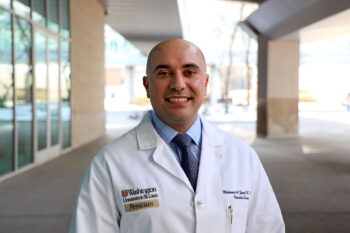
Washington University School of Medicine in St. Louis and Caeli Vascular, Inc., are developing the first sequestered therapy device for removal of deep vein thrombosis.
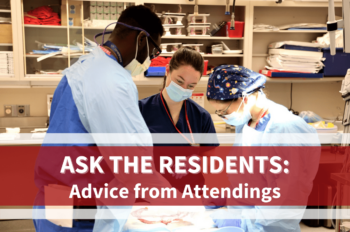
he expertise and advice provided by our attending physicians and surgeons are integral to the development of our residents. We asked those in the General Surgery Residency about the best advice they received from attendings during their time at Washington University.
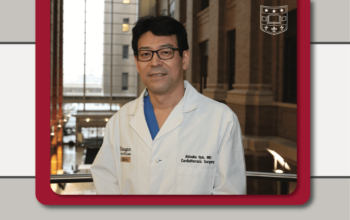
Assistant Professor of Surgery Akinobu Itoh, MD, PhD, transitions to role as transplant director at Brigham and Women’s Hospital in Boston, MA.
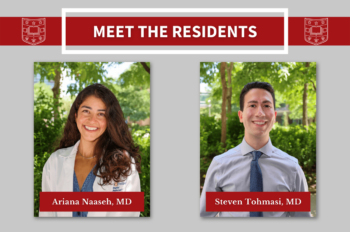
Get to know residents Ariana Naaseh and Steven Tohmasi in the General Surgery residency program, why they chose Washington University School of Medicine for their surgical training and what it’s like to be a resident in St. Louis.

Meet the Pancreatic Cancer Team Washington University hepatobiliary-pancreatic & gastrointestinal (HPB-GI) surgeons, along with the multidisciplinary team of specialists at Siteman Cancer Center, are nationally recognized for their screening, diagnosis and treatment of pancreatic cancer. According to the American Cancer Society, pancreatic cancer is the eighth most common cancer in women and the tenth most […]
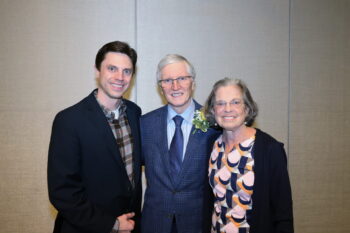
Chief of Minimally Invasive Surgery Michael Brunt, MD, received the Lifetime Achievement Award from the Barnes-Jewish Medical Staff Association.

Hirschsprung disease is a congenital condition that causes issues with the digestive system. The bowel or colon is not able to contract due to a cell deficiency, leading to constipation and other digestive problems. Treatment for this condition includes surgery to repair the colon.

We ask our physicians in General Surgery Residency to tell us some of their favorite aspects about St. Louis as well as their favorite places to visit.
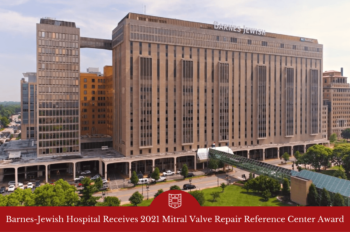
Barnes-Jewish Hospital has been recognized as one of the nation’s top centers for mitral valve repair surgery as it receives the 2021 Mitral Valve Repair Reference Center Award.
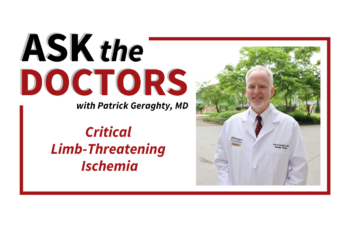
Limb ischemia is a peripheral arterial disease that causes reduced blood supply to the limbs. Long-term limb ischemia can progress into chronic limb-threatening ischemia (CL-TI), which requires immediate medical attention and treatment. Dr. Geraghty and the limb preservation team at Washington University answer questions about this condition, risk factors and treatment options.
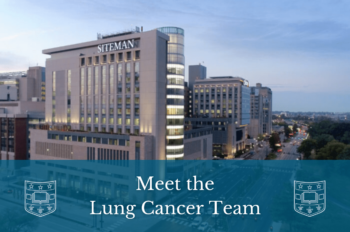
Washington University thoracic surgeons provide the highest level of care for patients with lung cancer.
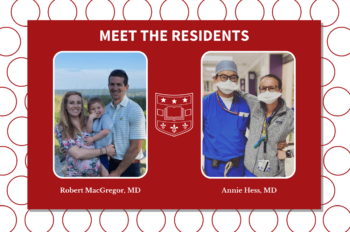
Get to know residents Annie Hess and Robert MacGregor in the General Surgery residency program, why they chose Washington University School of Medicine for their surgical training and what it’s like to be a resident in St. Louis.
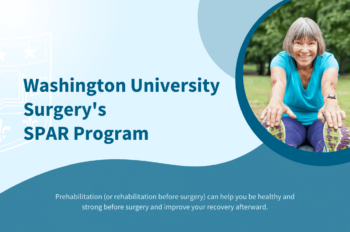
Prehabilitation (or rehabilitation before surgery) helps patients be healthy and strong before surgery and has been shown to improve recovery and health outcomes. The Surgical Prehabilitation and Readiness (SPAR) program at Washington University guides patients for the weeks before a procedure by providing strategies and goals to prepare their body and mind.

WashU General Surgery resident Connor Callahan, MD, MSc, trained as the Congenital Heart Surgeons’ Society John W. Kirklin-David Ashburn Fellow in Toronto.

Surgeons Adetunji Toriola, MD, PhD and Mohamed Zayed, MD, PhD from the Department of Surgery have received prestigious R01 grants from National Institutes of Health (NIH) for their research in cancer and vascular medicine, respectively.
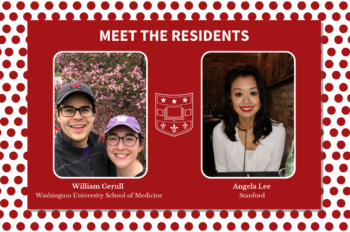
Get to know residents Will Gerull and Angela Lee in the General Surgery residency program, why they chose Washington University School of Medicine for their surgical training and what it’s like to be a resident in St. Louis.
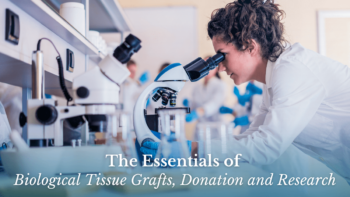
There are several sources for biological tissue grafts used for reconstructive, reparative or replacement surgery. Allografts are obtained from tissue donors and transplanted into recipients through the tissue donation process. The decision to donate involves registration as a donor and is an important conversation to have with family. Ongoing surgery and research at Washington University benefits from the donation of tissue grafts or specimens from consented donors.

Get to know residents Zhiyi Liu and Hailey Shepherd in the General Surgery residency program, why they chose Washington University School of Medicine for their surgical training and what it’s like to be a resident in St. Louis.
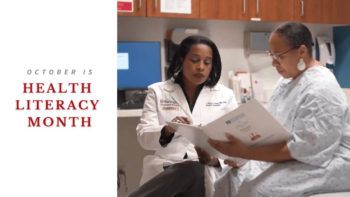
Celebrating health literacy this October comes with two initiatives: to increase personal literacy and improve organizational literacy. Patient health literacy and education are important goals for those seeking medical treatment, and hospital programs can encourage the familiarity of patients with the language of health. Organizations are also responsible for providing accessible, understandable information to their patients.

The St. Louis Shock Symposium aims to help attendees understand of the optimal treatments of cardiogenic shock and severe acute respiratory distress syndrome.

Colorectal screening, diagnosis and treatment are integral parts of overall health, but obstacles related to patient comfort can prevent effective medical intervention for colorectal illness. Having a diverse, accessible department of colorectal surgeons reassures patients and advances the optimal benefits for their colorectal health.
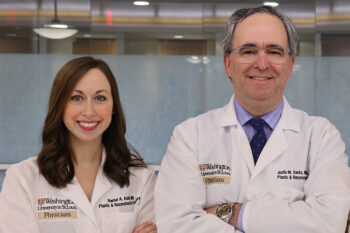
Plastic and reconstructive surgeons Justin Sacks, MD, MBA and Rachel Anolik, MD answer frequently asked questions about the symptoms and factors leading to lymphedema. Both Dr. Sacks and Dr. Anolik specialize in treating advanced lymphedema.
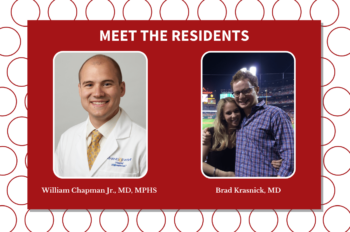
Get to know residents William Chapman and Brad Krasnick in the General Surgery residency program, why they chose Washington University School of Medicine for their surgical training and what it’s like to be a resident in St. Louis.

Exploring the history of research in the Division of Cardiothoracic Surgery begins with the career of surgeon and clinical researcher Dr. Evarts Graham. A gifted cardiothoracic surgeon, Dr. Graham’s research included one of the earliest studies of smoking as it contributed to lung cancer, and this pioneering work has directed similar research on smoking cessation and health impacts for decades.

Dr. Meyers answered some frequently asked questions about lung nodules.